
What Killed the Iconic Car Show & What’s Next?
In this in-depth video, we bid farewell to one of the most iconic car shows in television history, BBC’s “Top Gear.” Join me as I delve into the rich legacy of a show that redefined automotive entertainment, from its early days to its peak with presenters Jeremy Clarkson, Richard Hammond, and James May. Read my full opinion piece below as well!
The legendary, internationally famous motoring TV show, ‘Top Gear’ has potentially, and possibly permanently, downshifted into obscurity, and we are now in a world where Sunday afternoons will no longer see Top Gear grace our small screens. That’s like a shaadi without a recreated Bollywood dance sequence, or Eid mornings with no sheer khurma!
This unsettling, unthinkable scenario seems to be the new reality as ‘Top Gear’ coasts into the sunset, at least for now.
But let’s rewind to 1977. ‘Top Gear’ started as the automotive equivalent of a sensible news show, it was informative and practical, but hardly spectacular. Newsreader Angela Rippon was among the very first presenters. The legend who is William Woollard was at the helm for many of the early years. His foot-on-the-tyre or bumper trademark pose not only became iconic, but is now referred to as ‘Wollarding’! And while he knew his carburettors from his crankshafts, the show had all the adrenaline rush of selecting Eco mode on an EV in a traffic jam.
Enter Jeremy Clarkson, a man whose approach to car reviews was akin to a monster truck in a Tesco car park. While he was there, the presenting team transitioned from the likes of Chris Goffey, Sue Baker, and even Noel Edmunds to those with specialist knowledge such as Quentin Wilson, and hard chargers like Tiff Needell and Vicky Butler-Henderson. Even James May had a short stint on this generation of Top Gear.
Then it went into a hiatus for a few years but came back reinvented very much as the Jeremy Clarkson show. He teamed up with Richard (the Hamster) Hammond and James (Captain Slow) May.
This trio turned ‘Top Gear’ into a symphony of roaring engines, epic intercontinental cruises, breath-taking stunts, and, let’s face it, a healthy dose of schoolboy humour. They weren’t just presenting a car show; they became rock stars of the motoring world, with the egos and controversies to match. If cars could talk, they’d have tales to tell about the Clarkson era – tales of tyre-smoking escapades that occasionally ended in a fireball, or a producer punched in the face!
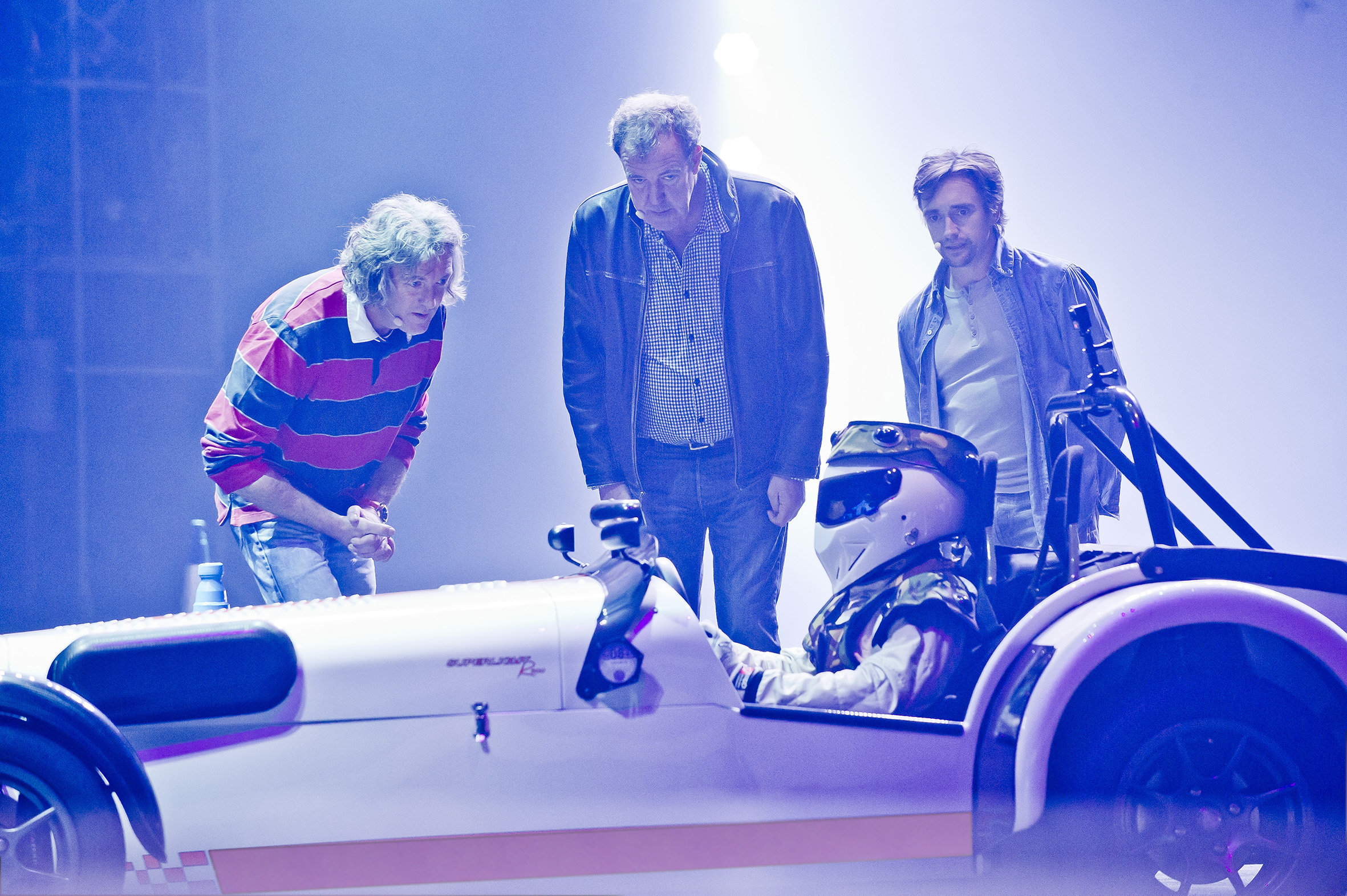
But, as with all good things, this golden era hit a speed bump that sent it flying off on a weird tangent. Clarkson’s departure was a seismic event, leaving the show in limbo. Subsequent hosts tried to fill those big jeans, but it was like trying to eat a cauliflower steak, it’s not bad, but you miss the tenderloin. Perhaps I shouldn’t be referencing steaks?
Now, here we are, in a digitised world where car shows face a new breed of competition – YouTube influencers who can review the latest EVs while wearing pyjamas in their living room – I can neither confirm nor deny doing the very same. It’s a brave new world, one where ‘Top Gear’s’ traditional format seems as outdated as an 8-track in the era of Spotify.
But is this really the end of the road for petrolheads’ favourite bit of telly? Perhaps not. Imagine a revamped ‘Top Gear’, one that adapts to the times. Imagine a show that not only reviews the latest supercars but also dives into the rich tapestry of global car culture. Think about shows that explore the bustling streets of Tokyo’s car scene or the rugged terrains tackled by off-roaders in the Middle East, or the resilience of classic car culture on the manic streets of Lahore.
It would also be interesting to race down the super-highway of high tech, exploring the cutting edge of cars, and showcase the future of motoring. Electric cars, autonomous vehicles, and futuristic concept cars could become the new stars of the show, heck let’s have some EVTOLs – that’s flying cars to you and me. It could be a platform not just for entertainment, but also for educating and inspiring a new generation of motoring enthusiasts.
Basically, TV needs to go where YouTubers can’t, because they don’t have the budgets and resources and more crucially, because they don’t have the clout and the sort of access a TV channel can secure, whether that be with a race-track, a motor manufacturer or even NASA.
In essence, ‘Top Gear’ has the opportunity to evolve from a show about cars to a show about the future of mobility. It could be the bridge between the traditional petrolheads and the eco-conscious, tech-savvy viewers of today.
‘Top Gear’ may have hit a pause, but this doesn’t have to be its swan song. Like a classic car awaiting restoration, it holds the potential for a glorious comeback. It’s time for ‘Top Gear’ to reinvent its wheels, and to embrace the new era of automotive infotainment. And if anyone can make a comeback, it’s the show that taught us to expect the unexpected.
After all, in the world of TV, as in life, it’s not about the final destination. It’s about the journey. And maybe the journey needs new helms-people… Apparently, the BrownCarGuy is available!
Support my content from as little as £3 at
https://ko-fi.com/browncarguy
Follow all my channels https://linktr.ee/browncarguy
Big Thanks to my Supporters!
AutoExotica (https://AutoExotica.com)
CraftLab (https://www.CraftLab.my)
Tom Conway-Gordon (https://www.instagram.com/anycoloursolongasits_black/)
And others! 🙏🏽☺️
Discover more from Brown Car Guy
Subscribe to get the latest posts sent to your email.

Id say good riddence since I didnt really like topgear.
LikeLike