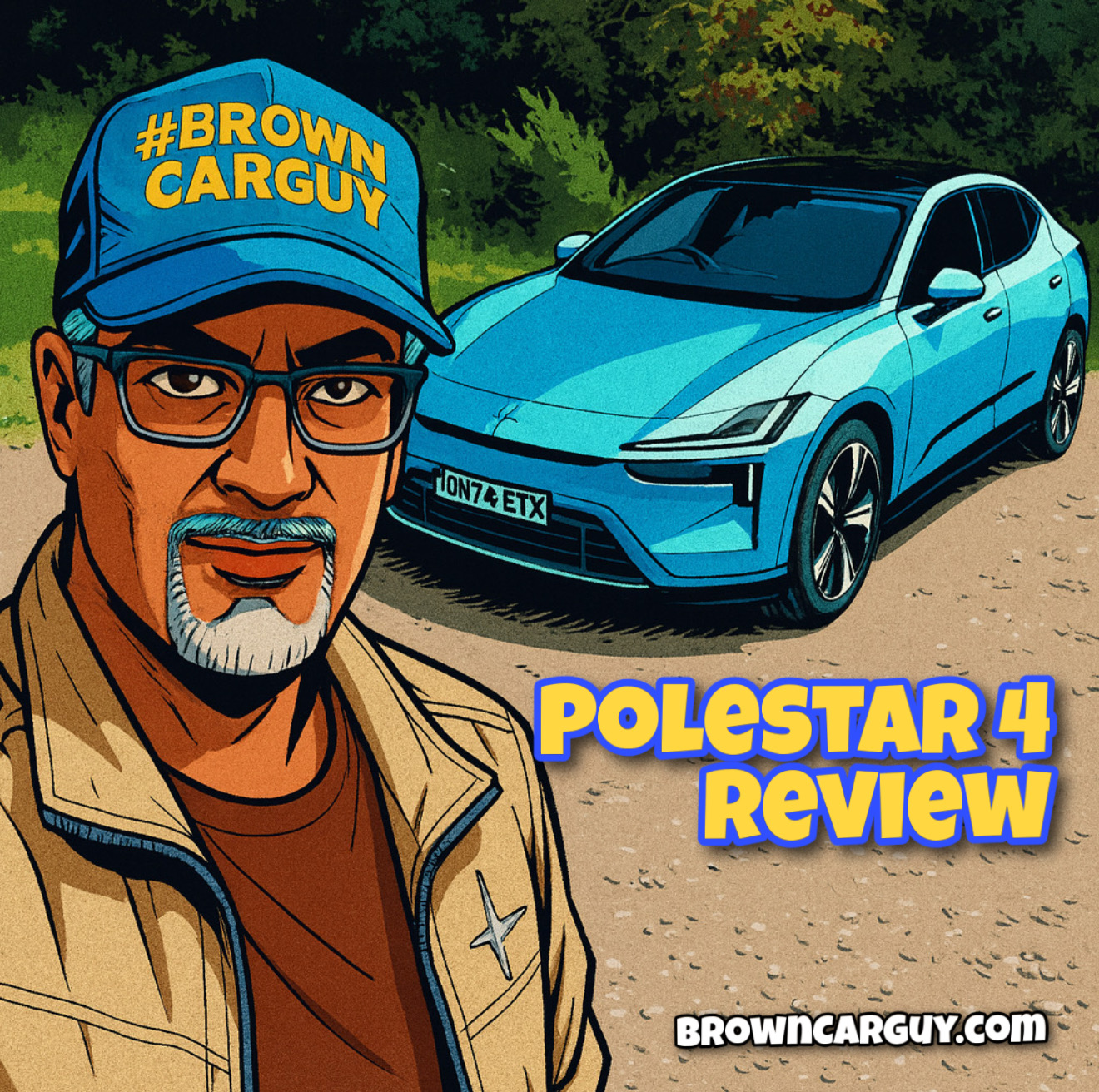
The Fastest Polestar Ever! But No Rear Window
Before we get into all the details of the Polestar 4, let’s answer a question that might be preying on the mind of the uninitiated – what exactly is Polestar? Well, it used to be the performance and motor-racing arm of Volvo. After Chinese giant Geely took over Volvo, Polestar was separated into a standalone brand in 2017 to focus on producing only electric cars.
It’s perhaps fitting then that this new Polestar 4 packs a solid wallop of an acceleration punch when you mash the throttle pedal. Yet despite the brand’s heritage, this is neither what you most expect from this SUV based on its appearance, nor the main talking point of this new EV.
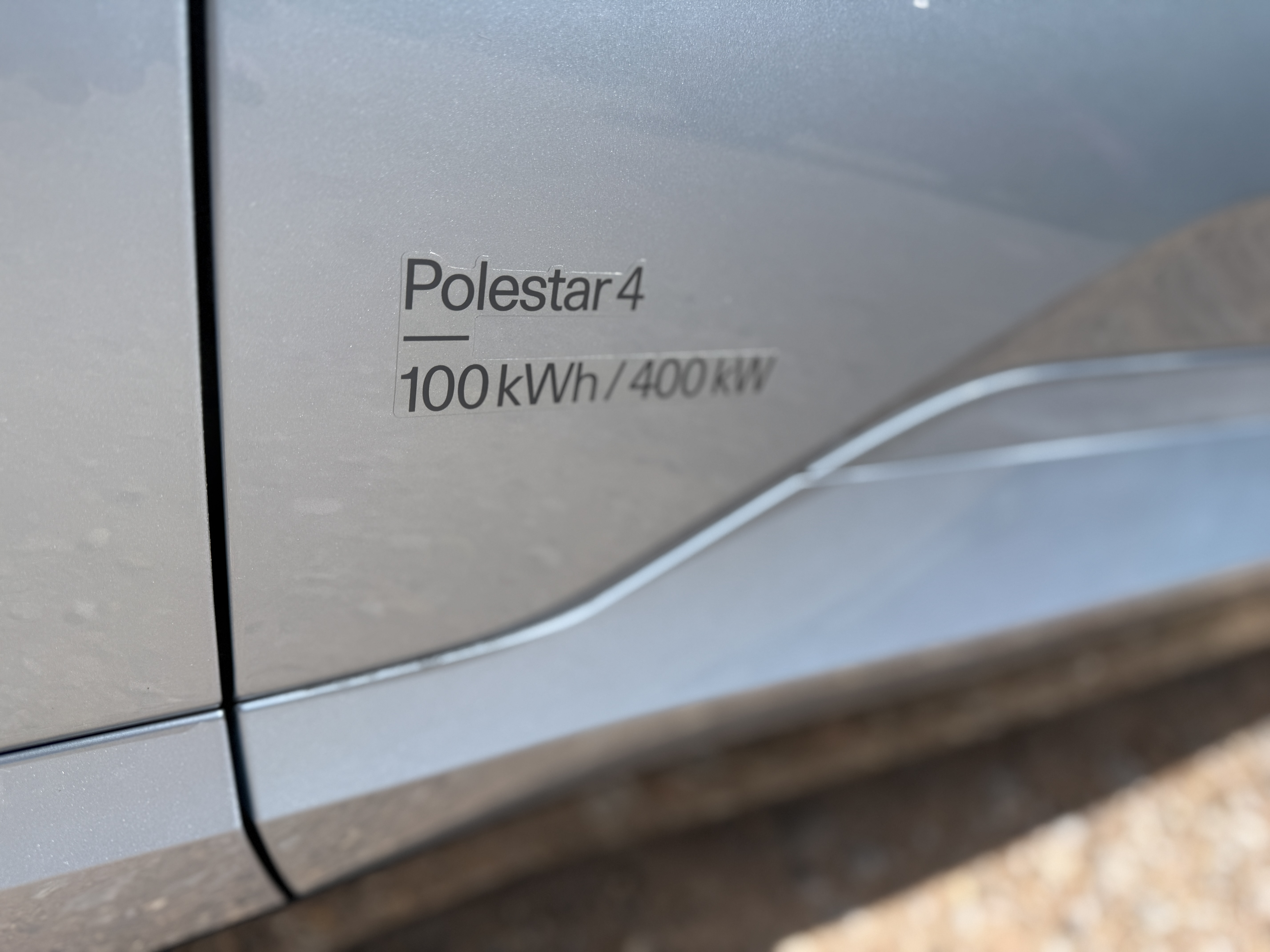
That would probably be the lack of a rear window. But this is not a van, it’s a luxury sports-SUV. Welcome to the most radical car yet from Volvo’s all-electric offspring, the new Polestar 4 Long Range Dual Motor – a ‘coupe-SUV’ with 544bhp, 0–60mph in a stunning 3.7 seconds, and a claimed 367-mile range. It’s the quickest Polestar ever built. But does that make it the best?
Where Does It Fit in Polestar Range?
The Polestar 4 sits between the smaller Polestar 2 saloon and the larger Polestar 3 SUV. Think of it as a mid-sized electric crossover, pitched against the Tesla Model Y Performance, the forthcoming Porsche Macan EV, and even the Lotus Eletre. At just under 4.8 metres long, it’s big enough to be practical, sleek enough to look sporty, and expensive enough to make you swallow hard.
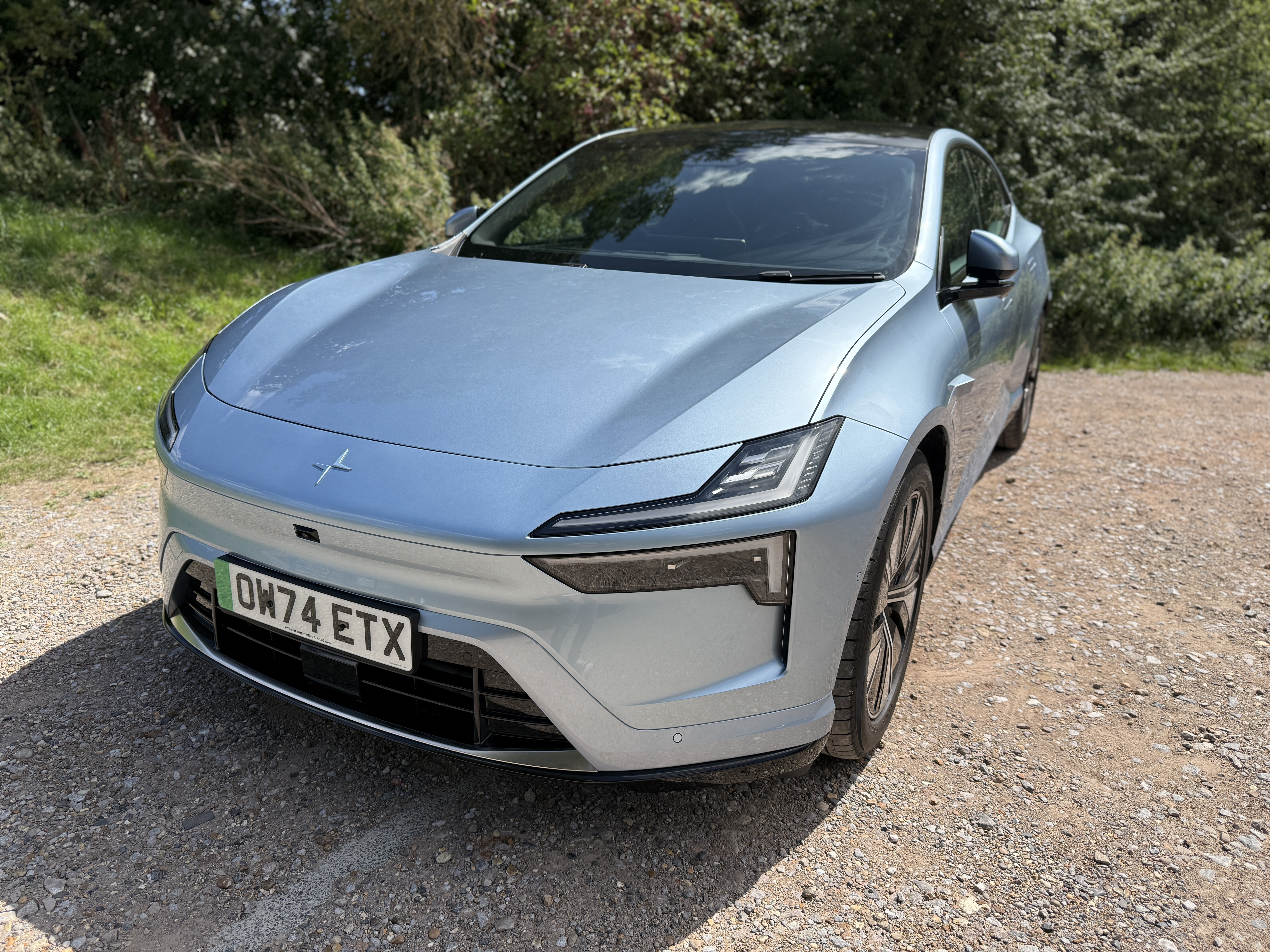
Prices start around £60,000 for the range and £66,900 for this LRDM AWD version. But the test car, finished in Electron metallic paint (a light blue) and fitted with Plus Pack, Pilot Pack, 21-inch wheels, Nappa leather seats and premium audio, weighed in at an eye-watering £71,500.
Unique Quirks of the Polestar 4
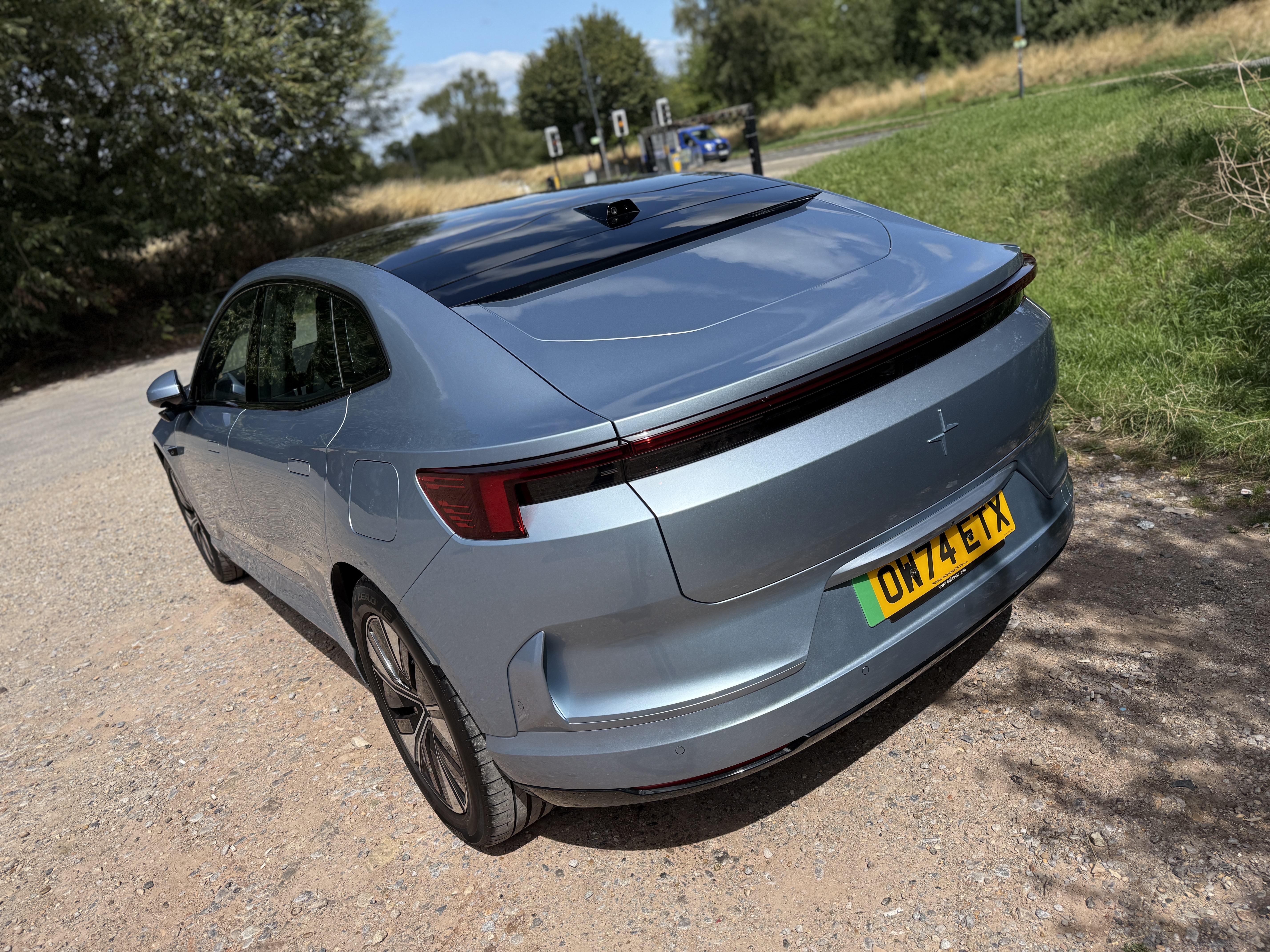
The most obvious talking point? No rear window. Instead, Polestar gives you a high-definition camera and digital rear-view mirror. Clever, futuristic, and arguably safer thanks to better visibility in poor weather.
But as someone who wears spectacles, I found it more of a strain than a gain – a reminder that tech isn’t always universal in its brilliance. And frankly, I can’t really see the logic of entirely deleting the rear window, especially when it looks as if it’s just been covered up by an additional panel on the large tailgate.
Polestar also makes a big deal about sustainability. The cabin uses eco-friendly materials such as recycled fabrics and responsibly sourced vegan leather. The car is also built around Polestar’s carbon-accountability ethos, with every gram supposedly accounted for in lifecycle reporting. A nice idea – though, let’s be honest, for the sort of buyers spending over £70k on a car, these issues may not be of primary concern.
Polestar 4: Styling & Practicality
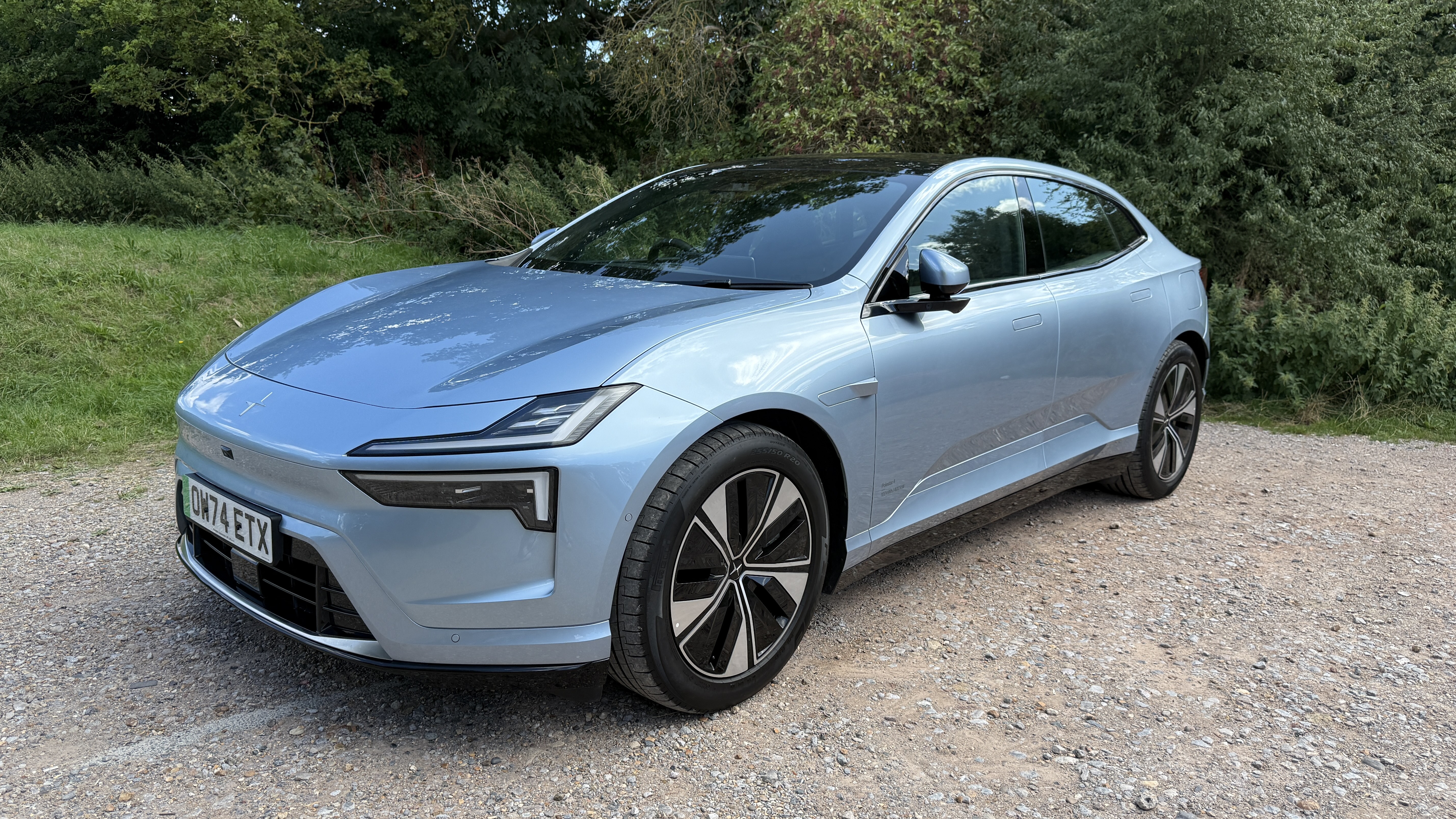
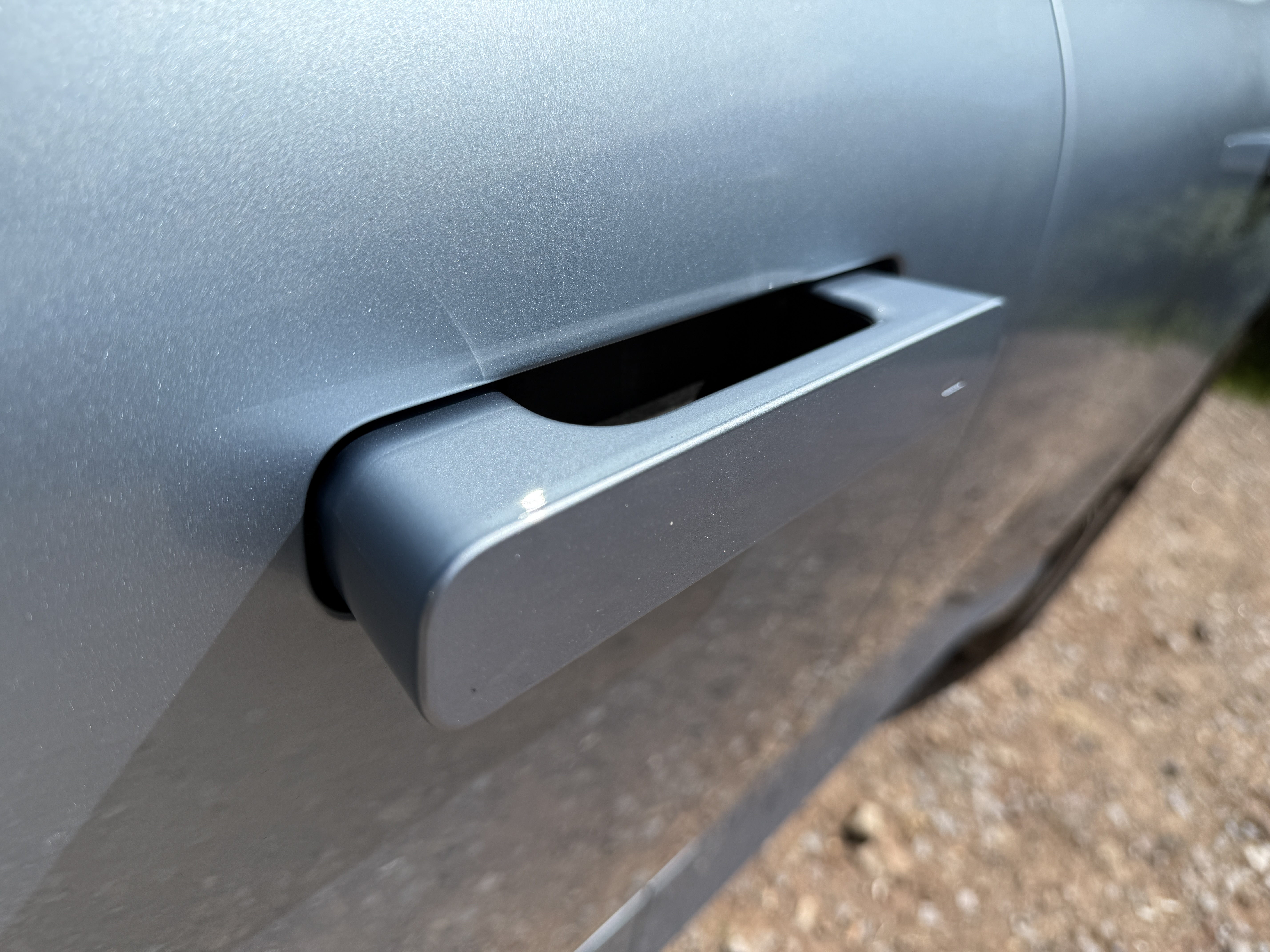
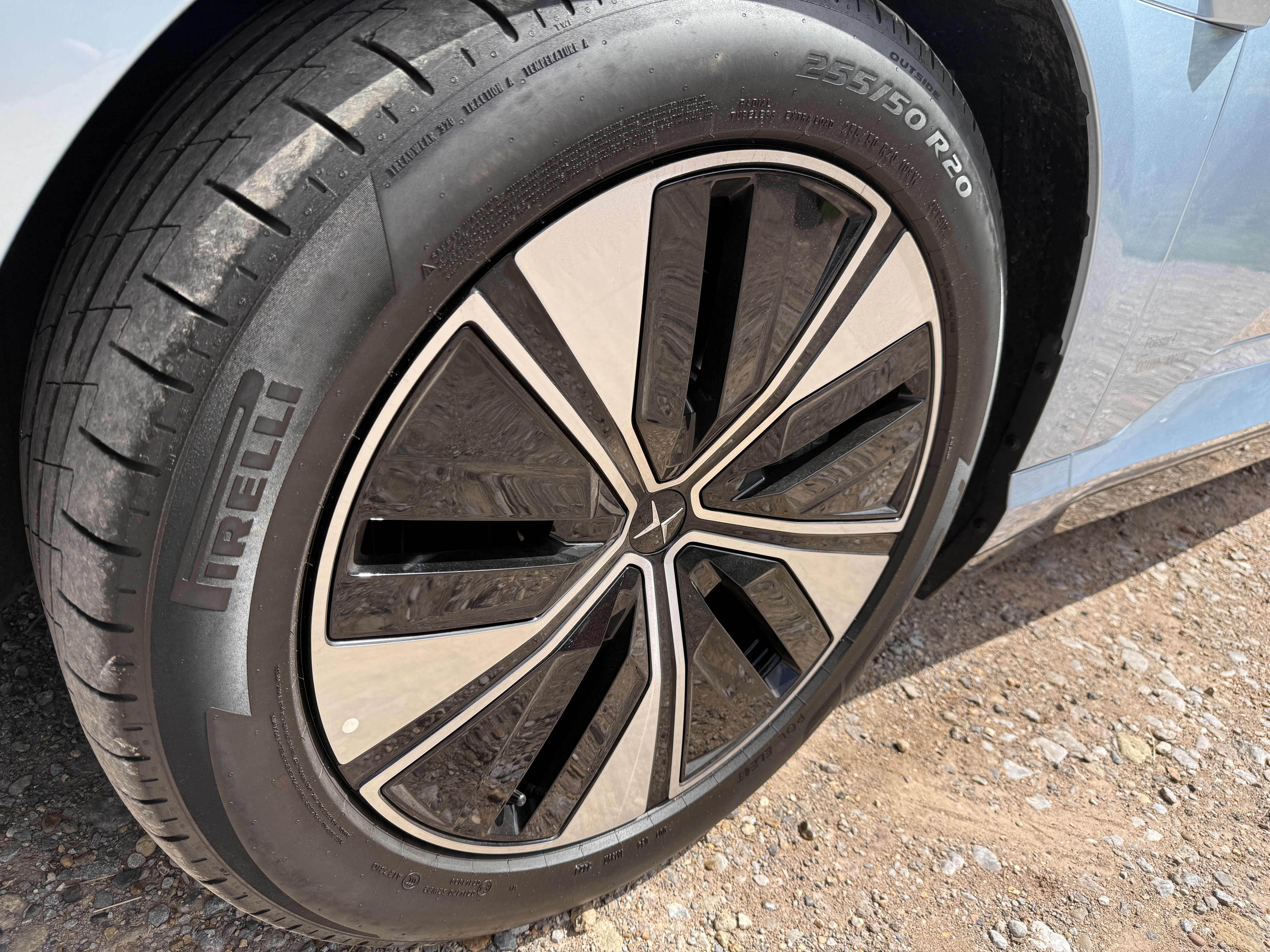
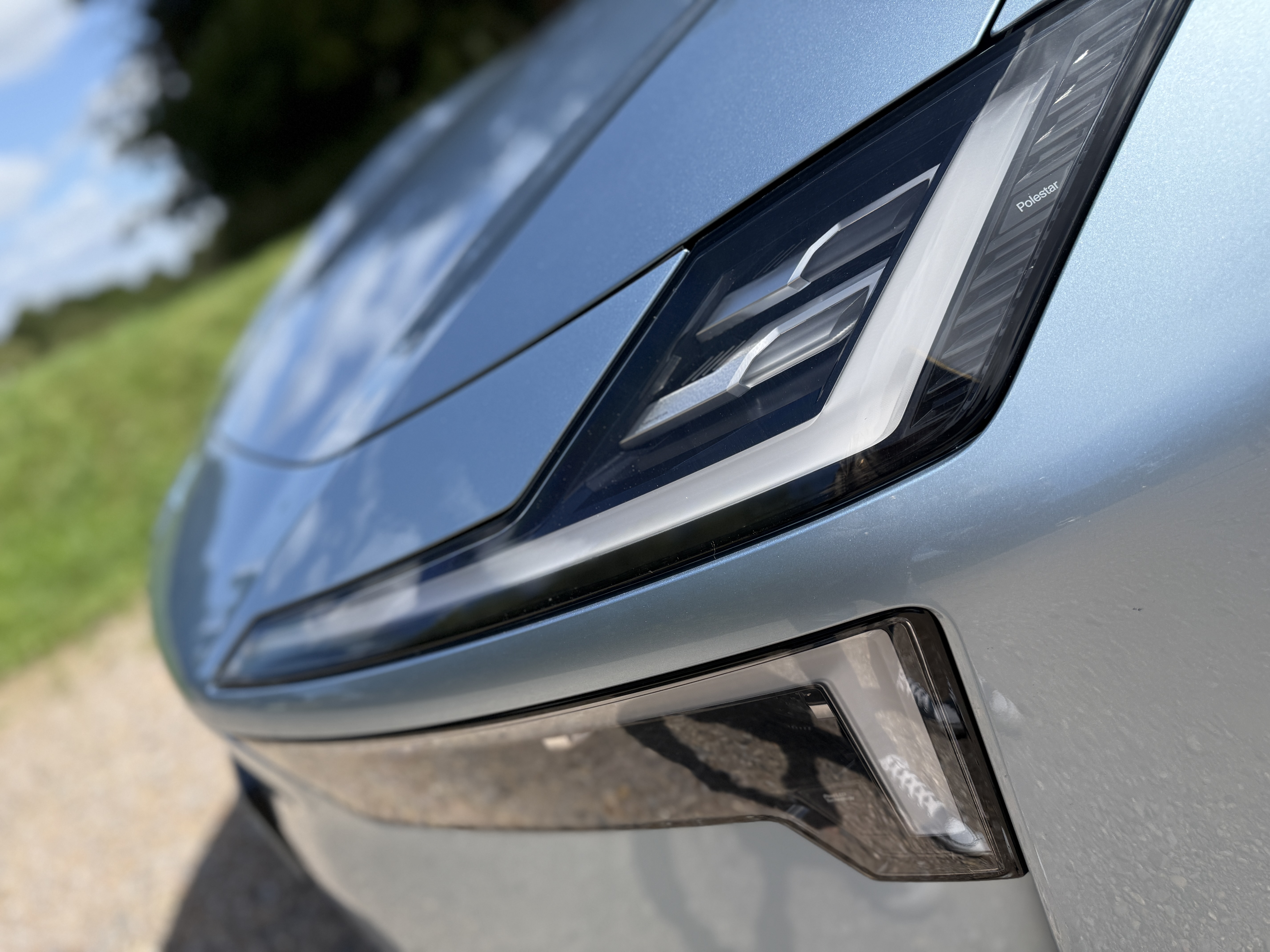
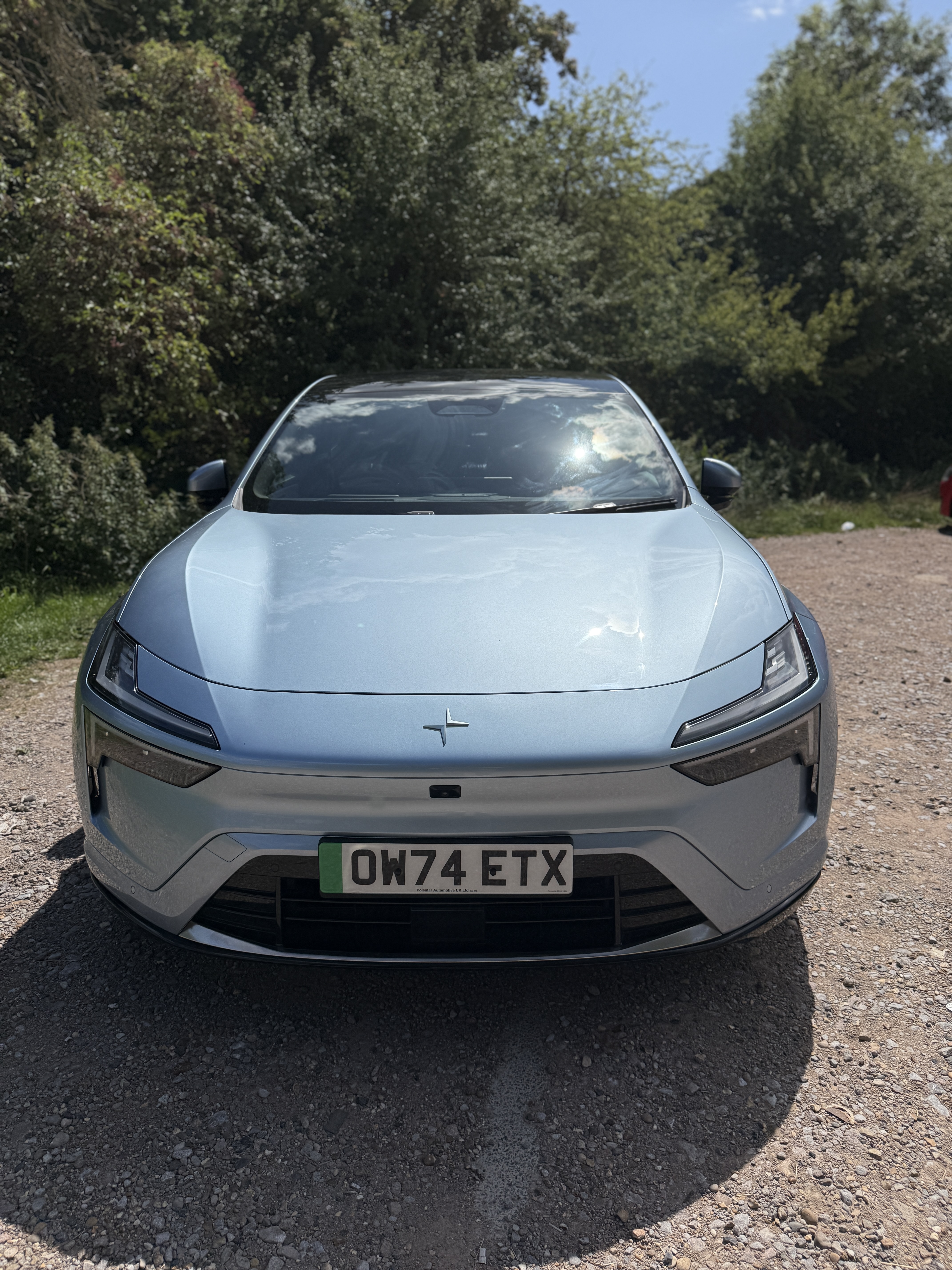
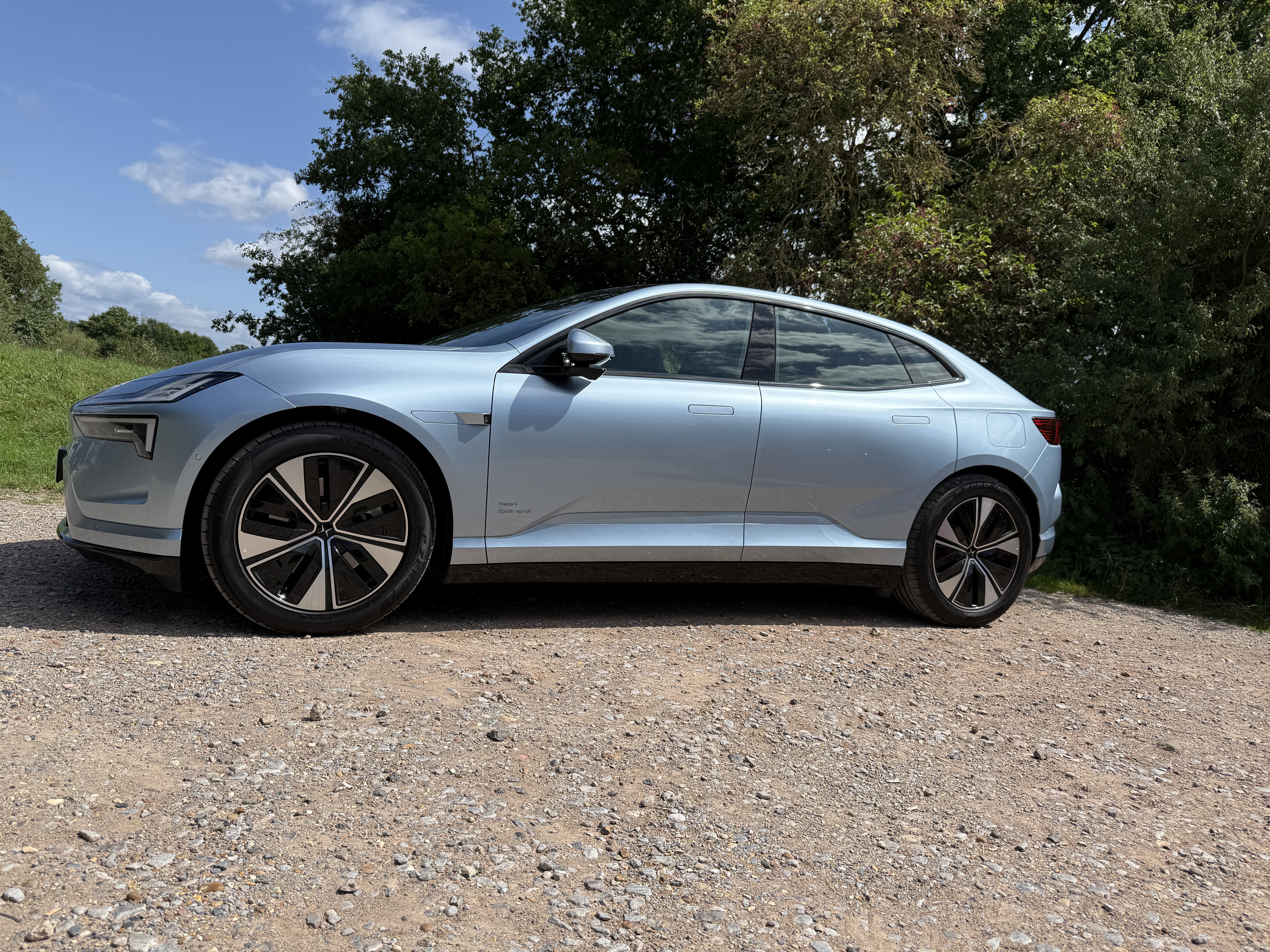
The Polestar 4 is a looker. The low roofline, sharp creases and flush details give it a sleek vibe. The frameless doors add drama, while the 21-inch alloys help with the impressive stance.
Round the back, the deleted window gives the design a cleaner, sportier coupe profile. And yet it’s still practical: a 500-litre boot (up to 1,546 litres with seats down) plus a handy little frunk for charging cables. Getting into the rear is like boarding a limousine, tons of room, heated and reclining rear seats, plus a control panel for the aircon and stereo!
Cabin & Tech
Inside, it’s pure Scandinavian minimalism. The 14.7-inch portrait-style infotainment screen offers slick navigation and voice control. A second display ahead of the driver shows speed and essential info, plus there’s a head-up display too.
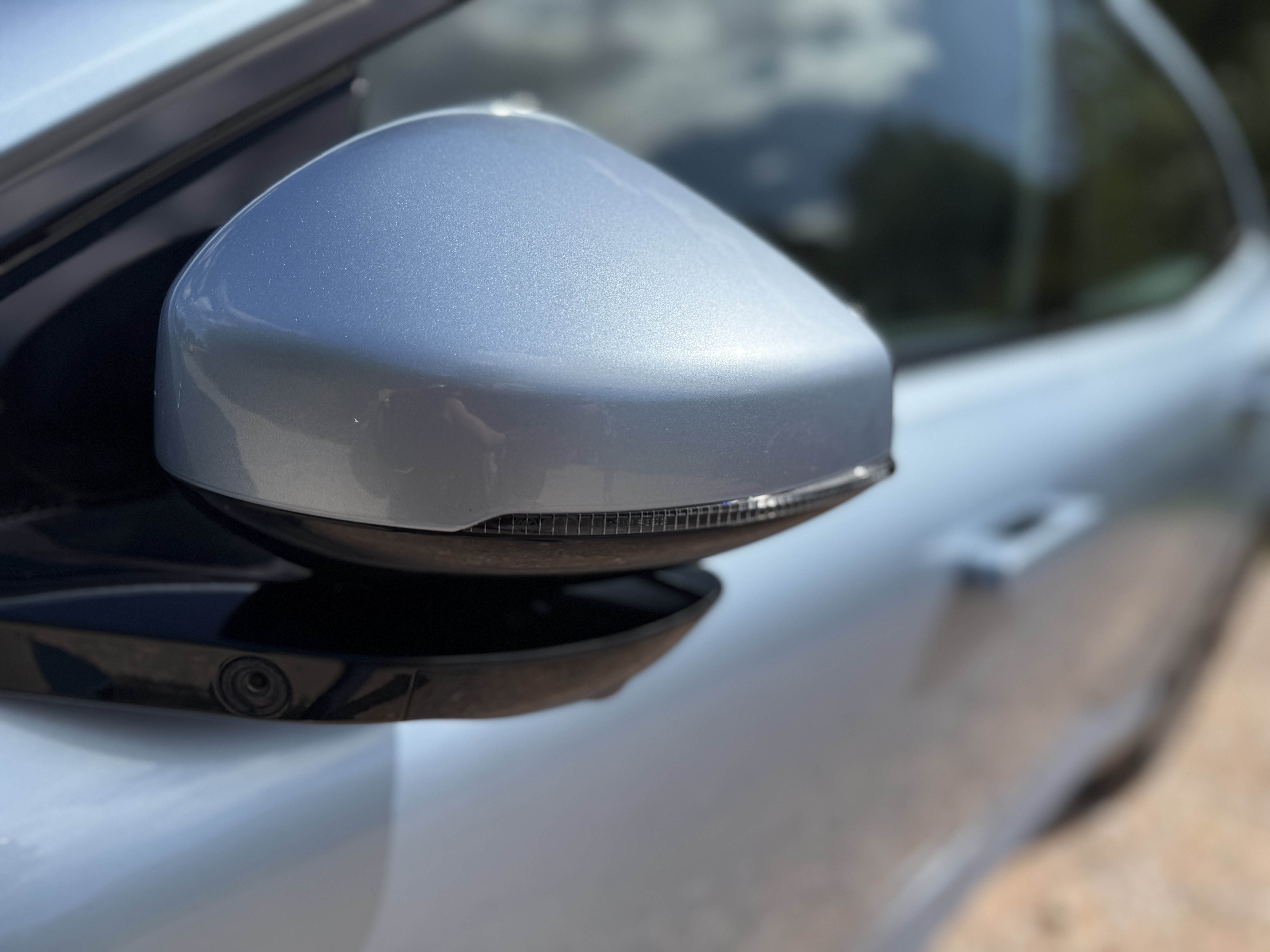
Everything works through screens and a few steering wheel-mounted haptic controls, which may be futuristic but also fiddly – especially when adjusting the steering wheel, side mirrors, and even opening the glovebox can only be done through the screen.
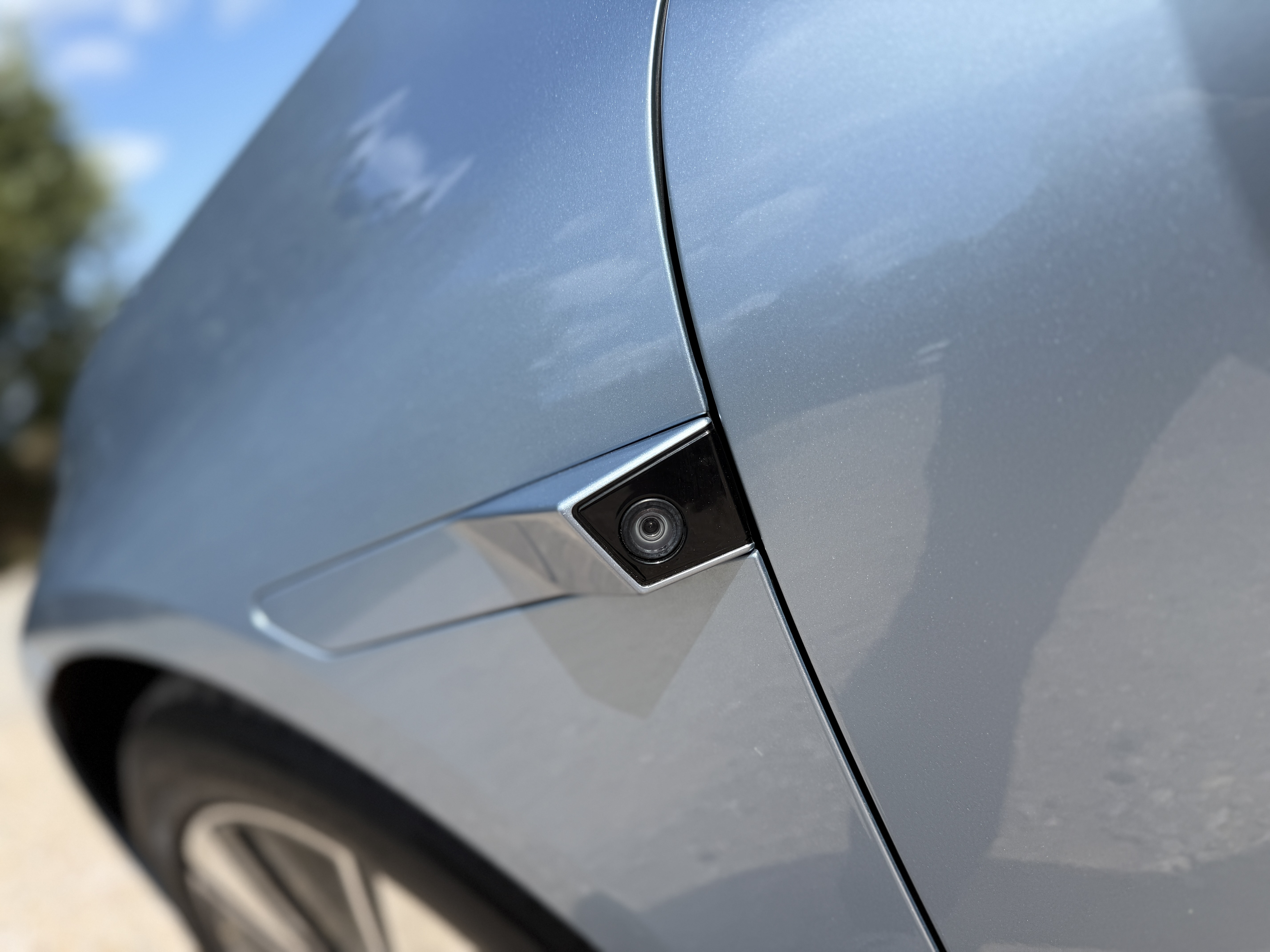
The seating position is commanding, visibility forwards excellent, but rearwards entirely dependent on that digital mirror. Storage space is generous, audio quality superb, and there’s wireless charging, endless USB ports, and enough cameras outside and in to put Oxford Street CCTV to shame!
Driving the Polestar 4
Let’s cut to the chase – select performance mode and this thing is brutally quick. Flatten the accelerator and it rockets forward with head-pinning intent. The traction is ferocious. It’s enough to strain your neck and make your passengers sick – not being accompanied by the sound and fury of a traditional engine – messes with people’s minds.
But speed is just part of the story. The steering is sharp, the chassis agile for something weighing nearly 2.3 tonnes, and the suspension has multiple modes: Standard, Nimble and Firm. “Nimble” does what it says on the tin, making the car feel tighter and more eager, while Firm stiffens things for sharper cornering. The ride on 21s is mostly composed, though sharper bumps do filter through.
Braking is powerful, regen settings are adjustable, which is handy as the full-on ‘one-pedal’ model seems overly aggressive, hard to deploy smoothly, so personally I dropped it down to the lower mode and things improved.
Body roll is well contained, but having explored its sporty credentials once or twice, admittedly, the scale and practicality of carrying others aboard means you’ll probably prefer to cruise effortlessly rather than blast around everywhere.
The range predictions, on the other hand, are impressively accurate, even when taking in motorway cruising on effective adaptive cruise control and attacking some B-roads with as much vigour as the size of the car will allow.
Polestar 4 Verdict
On the plus side: this is a shockingly swift, spacious and practical luxury SUV. It’s stylish, will get the neighbours tongues wagging, yet wears its environmental concerns on its sleeves (or rather its flanks and the back of its headrests). It’s packed with tech and kit (including ambient lighting based on the celestial bodies in our solar system) plus a brilliant stereo system.
That digital rear mirror won’t be for everyone, though and blanking out the rear window just seems to be form over function to a level unseemly of a brand sprung from the solid and sensible DNA of Volvo. Similarly, the heavy reliance on the centre screen is worrying; not having a button for basic stuff like unlocking the doors with your key fob feels unnecessarily pretentious. Plus, it isn’t cheap.
The Polestar 4 is a reminder that the future can be a little awkward, expensive, and sometimes just a bit… overcomplicated. Especially when it feels like it’s been designed by committee rather than common sense. However, it’s also a fascinating, bold step forward. It’s a car that turns heads, makes virtuous statements and delivers a properly engaging drive.
If you found this useful, interesting or fun, consider supporting me via Patreon, Ko-Fi, or even grabbing a copy of one of my books on Amazon. Every bit helps me keep creating independent automotive content that actually helps people.
Support independent car journalism 🙏🏽☺️ grab my books on Amazon, take up membership to BrownCarGuy on YouTube, or join me on Ko-Fi or Patreon.

👉🏽 Channel membership: https://www.youtube.com/browncarguy/join
👉🏽 Buy me a Coffee! https://ko-fi.com/browncarguy
👉🏽 Patreon – https://www.patreon.com/BrownCarGuy

MY BOOKS ON AMAZON!
📖 Want to become an automotive journalist, content creator, or car influencer? Check out my book: How to be an Automotive Content Creator 👉🏽 https://amzn.eu/d/7VTs0ii
📖 Quantum Races – A collection of my best automotive sci-fi short stories! 👉🏽 https://amzn.eu/d/0Y93s9g
📖 The ULEZ Files – Debut novel – all-action thriller! 👉🏽 https://amzn.eu/d/d1GXZkO
Discover more from Brown Car Guy
Subscribe to get the latest posts sent to your email.
