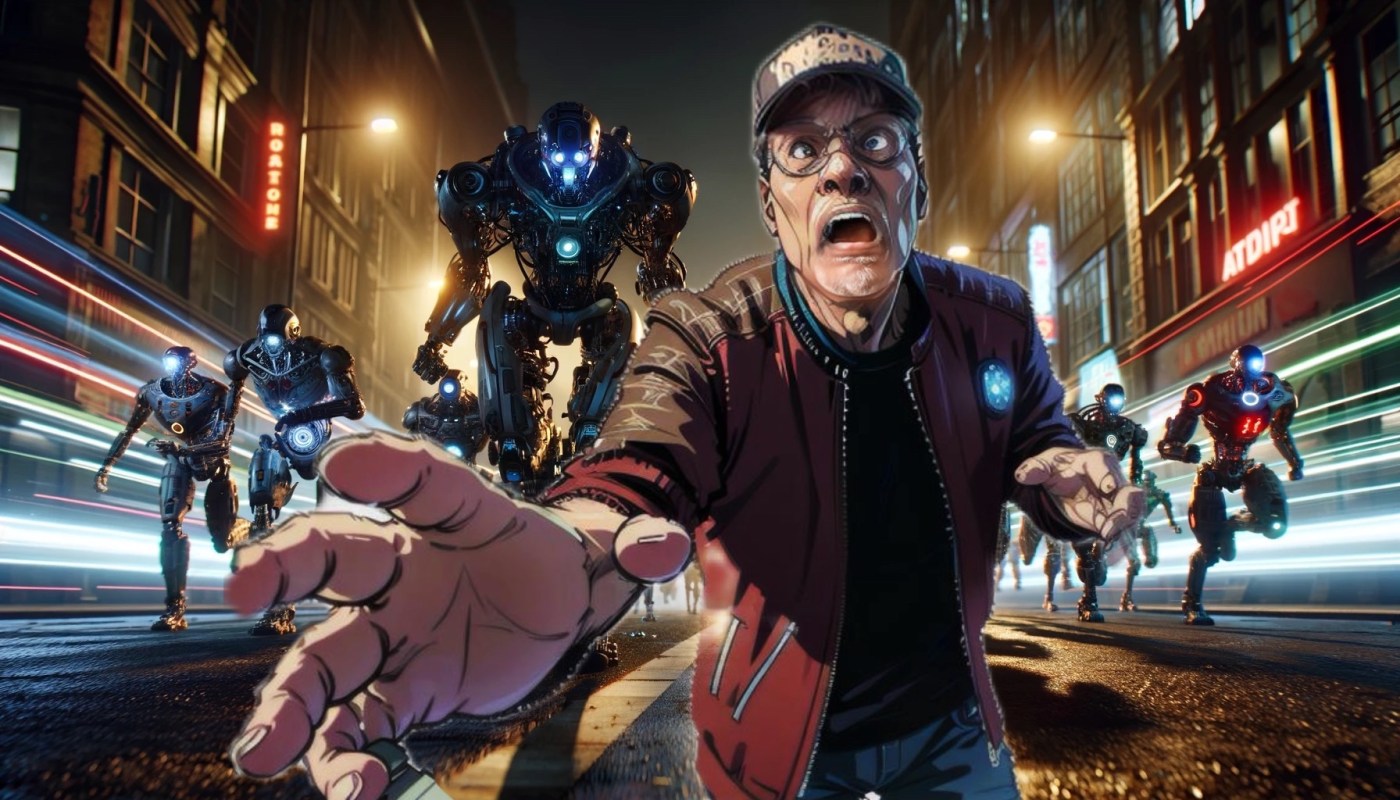
Automakers Shift Gears to AI Androids – The Robots Coming!
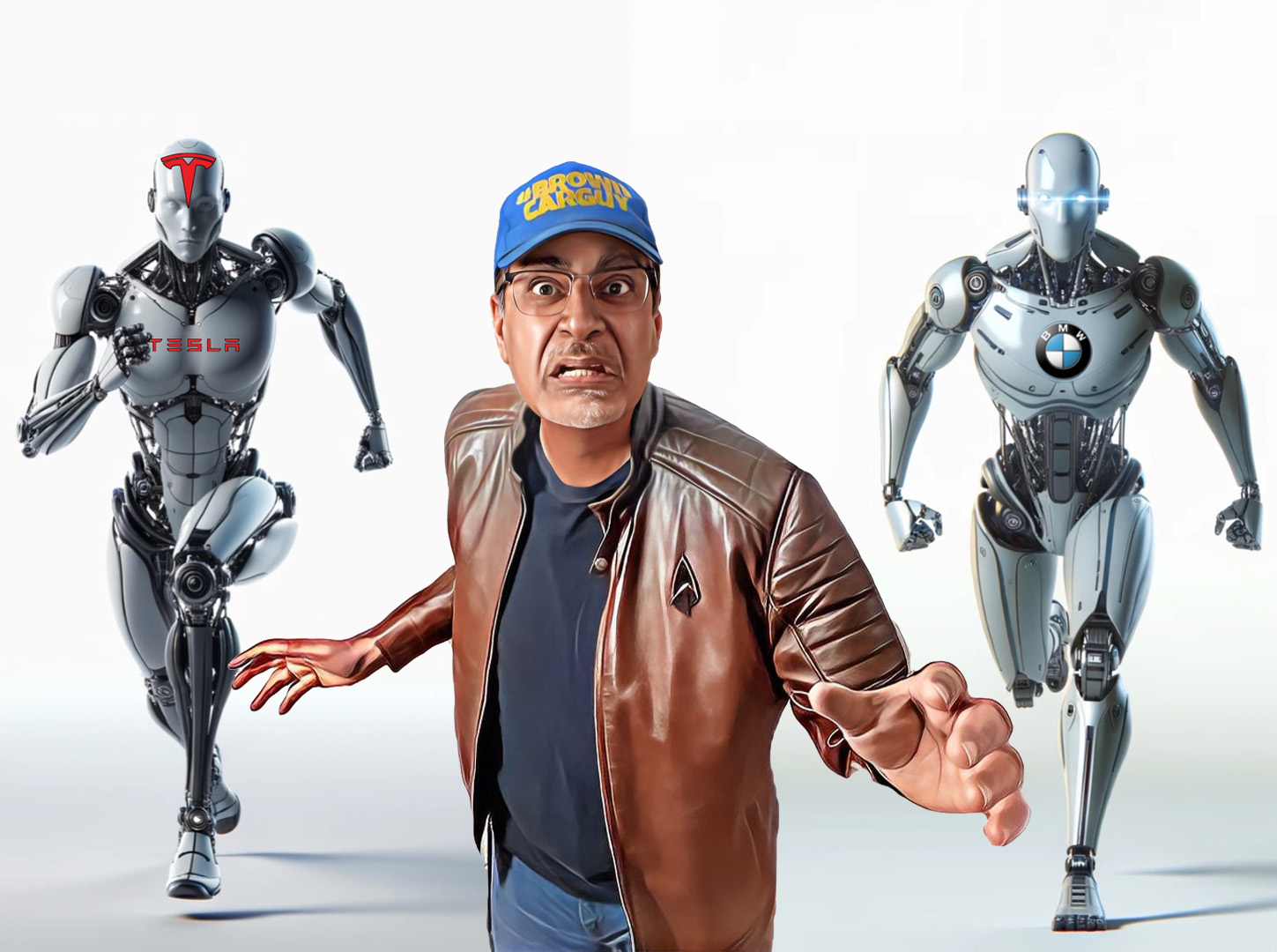
In this video, we’re taking a trip into the near-future with “Tesla vs. BMW: Robot Wars Ignite! Automakers Shift Gears to AI Androids – They’re Coming!” This isn’t just a tech update; it’s a full-throttle exploration of a world where automotive excellence meets cutting-edge robotics. From the nostalgic steps of Honda’s Asimo to the sophisticated dance moves of Tesla’s Optimus, we’re tracking the evolution of humanoid robots that are about to transform our daily lives in ways we’ve only dreamed of.
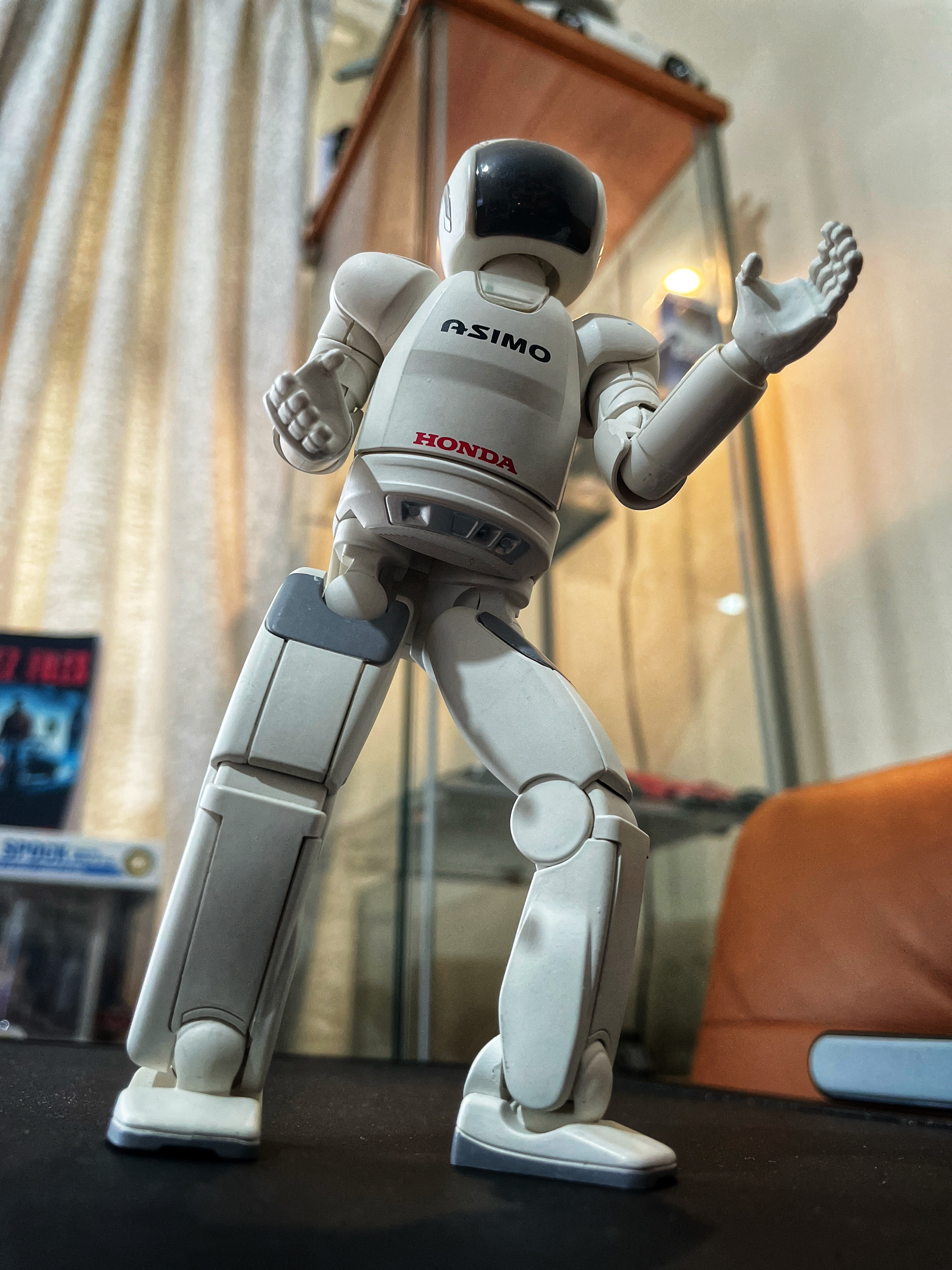
Remember Asimo. He was created by Honda, yes the car company, back in 2000, and they kept developing this robot until they retired him in 2022.
I actually saw Asimo in action, probably about a decade ago at the Dubai Motor Show.
He walked, he waved, and he even attempted a dance move or two, looking like he might break into a moonwalk at any moment.
But you know he was just this cute little thing that looked like a baby astronaut and really it was like watching a baby take its first steps — endearing and slightly awkward.
Just a bit of fun from Honda then? Well, no, because the company used a lot of the tech developed for this guy in other applications.
But as for Asimo himself, he wasn’t good for much more than shaking dignitaries’ hands and serving them glasses of water on a tray.
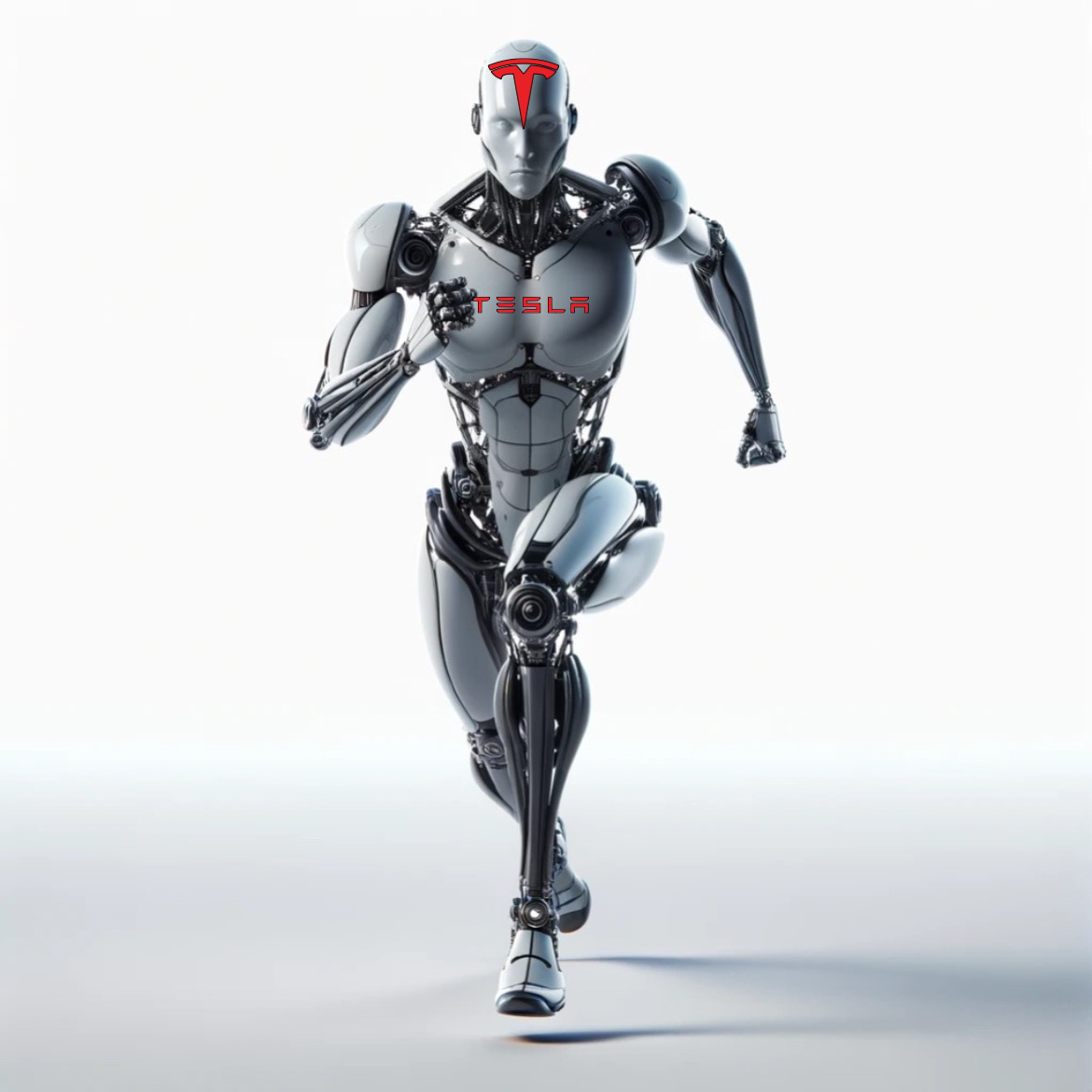
Fast forward just two years since he retired, and in 2024 (this year) the robotic landscape is as crowded as my browser tabs. Elon Musk, not one to be outdone, introduced us to Tesla’s very own robot, Optimus.
And no, despite the missed opportunity, it’s not called Optimus Prime (I’m not the only one who’s disappointed, right?). This robot can not only dance but also do yoga and delicately handle an egg without turning it into an omelette—and that’s no yolk – sorry! But really, for a robot to handle an egg is a lot harder than you might think.
When you watch the latest video (from December 2023) just look at the movement of the hands and fingers, that’s really something right? The sophistication of these robots is mind-blowing.
Gen 1 of Optimus arrived in 2022, and the sleeker version is Gen 2. And doesn’t he look like the stuff of sci-fi robogedden nightmares? Where is Will Smith when you need him to bitch slap a bot back into its box – so to speak.
Elon Musk’s Tesla isn’t the only automotive giant venturing into the world of robotics. Toyota, a name synonymous with reliability in the automotive industry, has been making significant strides in humanoid robotics.
First launched by Toyota in 2017, this is the T-HR3 – so not C3PO then! It’s a humanoid robot capable of flexible movements that mirror the actions of its remote human operator, yeah this one is operated by remote control, so isn’t entirely autonomous. It can share the force exerted by and on it with the operator using force feedback. So, it’s kind of like an avatar and could be helpful for those with disabilities perhaps.
Recently they showed the Punyo, which is a soft humanoid robot, designed to do tasks like picking big objects up and being huggable. In Japanese culture it seems very important to make robots lovable.
Again, it’s not just about having a bit of fun. Toyota envisions robots not merely as factory assistants but as integral parts of our daily lives, aiding the elderly, performing household chores, and even providing companionship.
Toyota has been developing robots for years, showcased during events like the Tokyo Olympics, where their robots assisted in a variety of tasks, demonstrating a blend of functionality and social interaction.



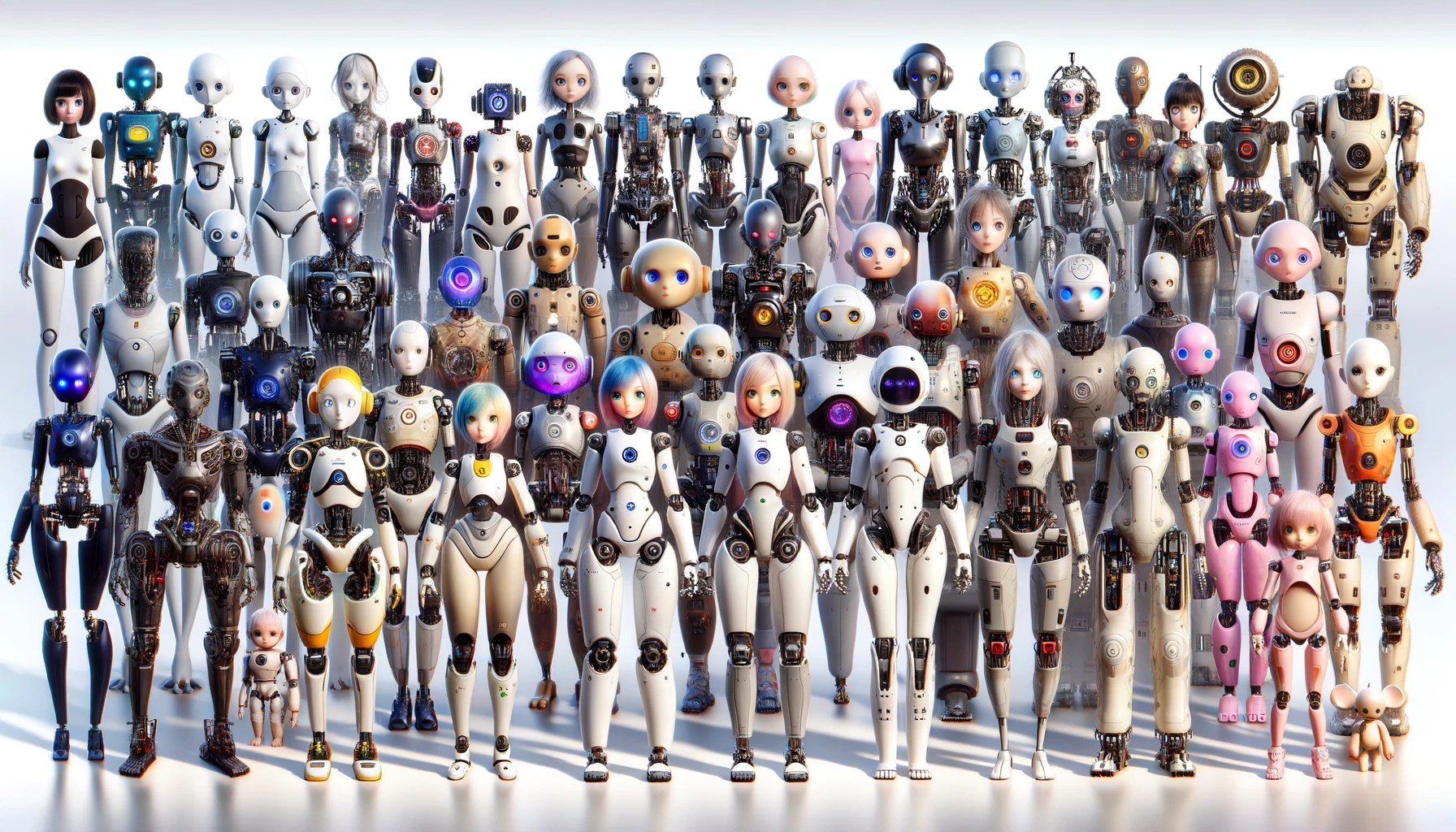


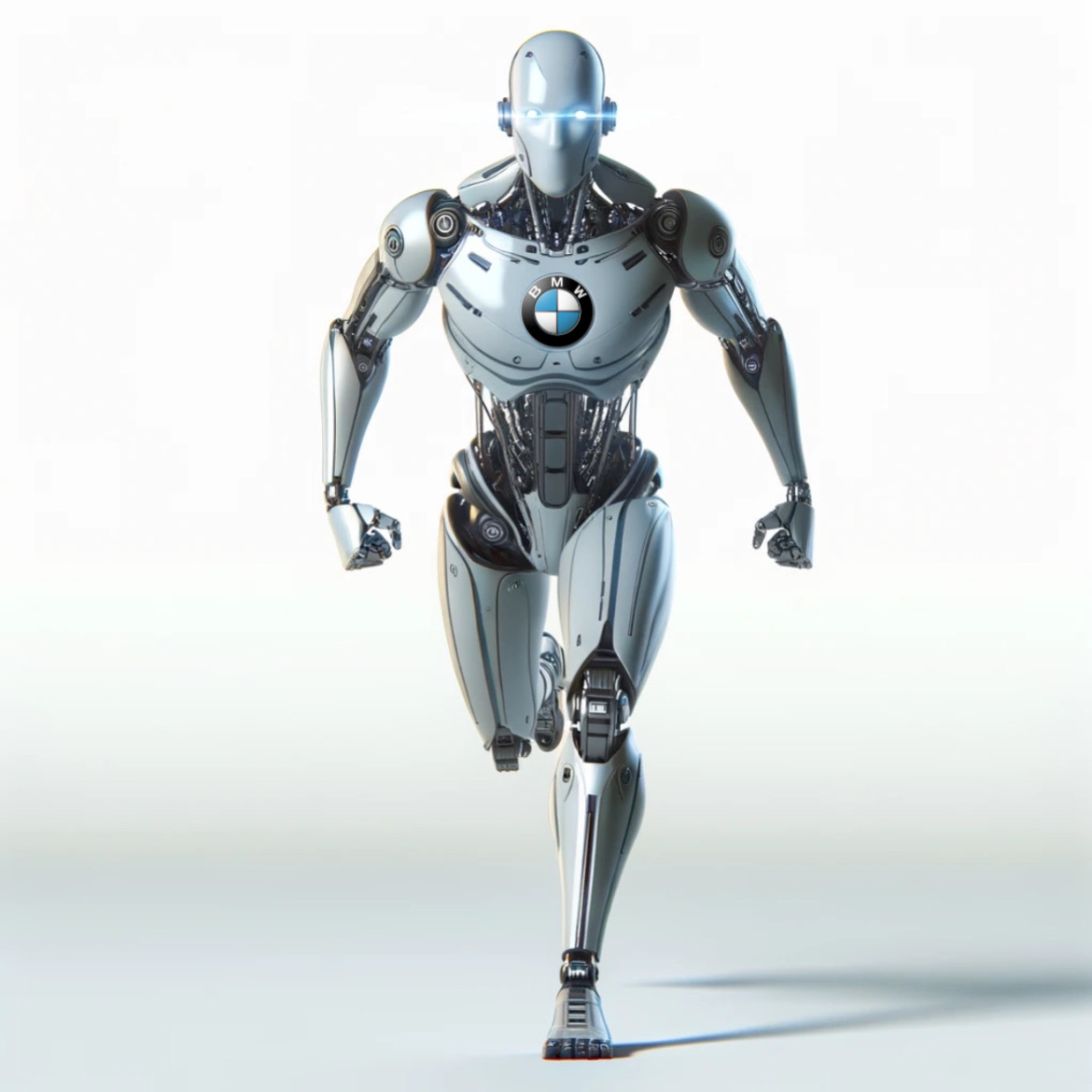
BMW however isn’t known for developing humanoid robots, but yes, BMW is getting in on the game too.
With the incredible rise of Generative AI that we’ve seen in the last year, and factoring in things like the Boston Dynamics’ Atlas robot, which can run, jump, climb up scaffolding and even do back flips – I mean wowsers, most humans can’t even do that!
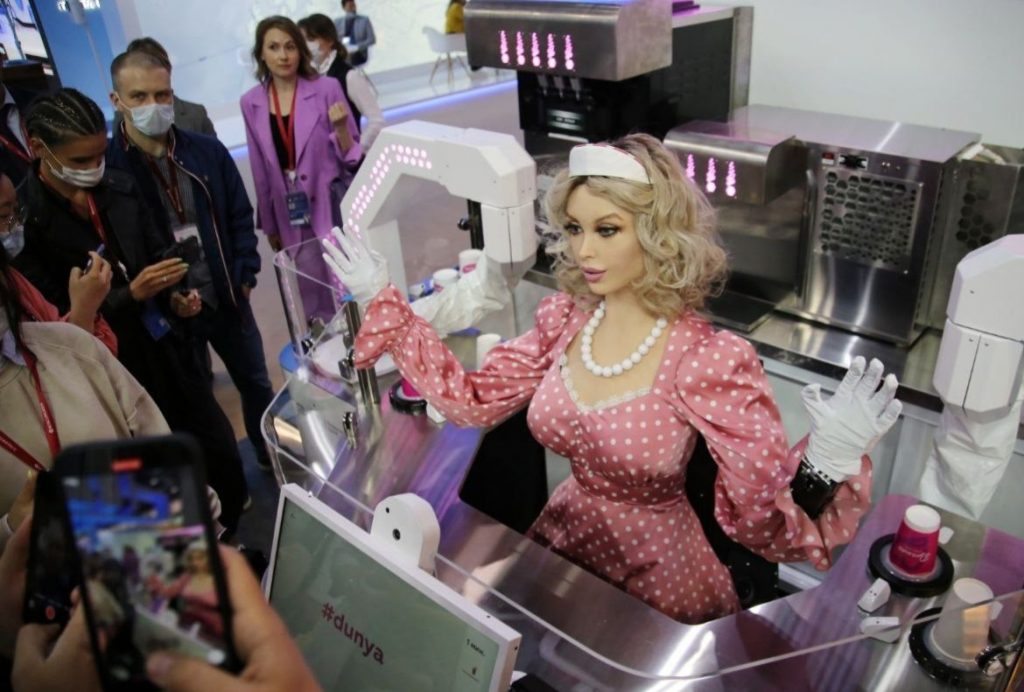
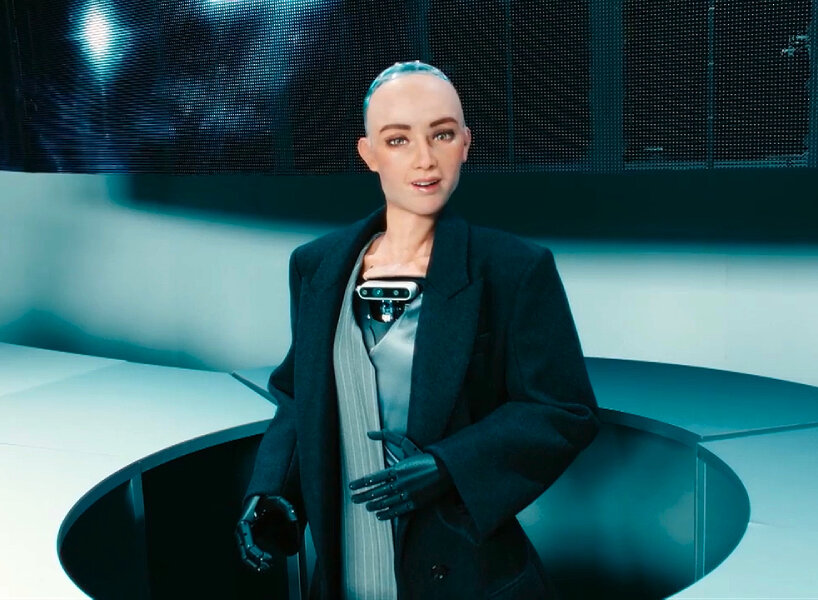
But add those concepts to something like Sophia, an android with artificial skin and human-like features… this is said to be a ‘social robot’ that imitates human expressions.
She is so convincing the Saudi’s even granted her citizenship – and Saudi citizenship for normal people is really hard to get by the way, you could live there for generations and not get it! But Sophia not only got it in record time, but she also became the first android to receive legal personhood in any country.
Combine all of this together and we are astonishingly close to having our favourite Star Trek android, Data, in real life.
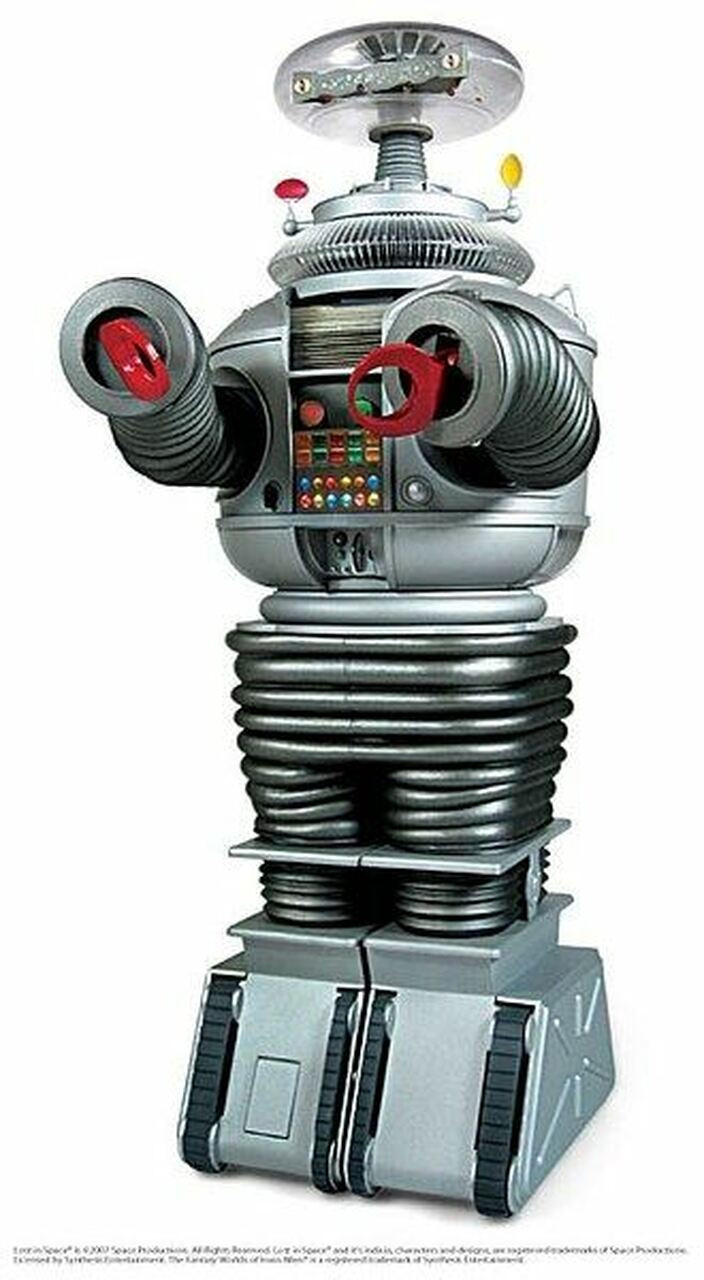
In fact, real-life robotics, might actually outpace all our imaginings in sci-fi, much quicker than we ever imagined. I mean remember Lost in Space – that’s what we thought robots would be.
We always imagined robots would be a bit socially inept, find speech contractions and slang difficult to manage, and be unable to comprehend human behaviour and emotions, as well creative activities such as art and literature. But if you’ve used ChatGPT, you’ll know just how clever it has and is continuing to become.
Remember the Turin Test? A test for intelligence in a computer, requiring that a human being should be unable to distinguish the machine from another human being by using the replies to questions put to both. Well, ChatGPT aced that test ages ago.
Now let’s get back to BMW and its joint venture with OpenAI – the people behind ChatGPT – and AI Robotics company, Figure, in America.
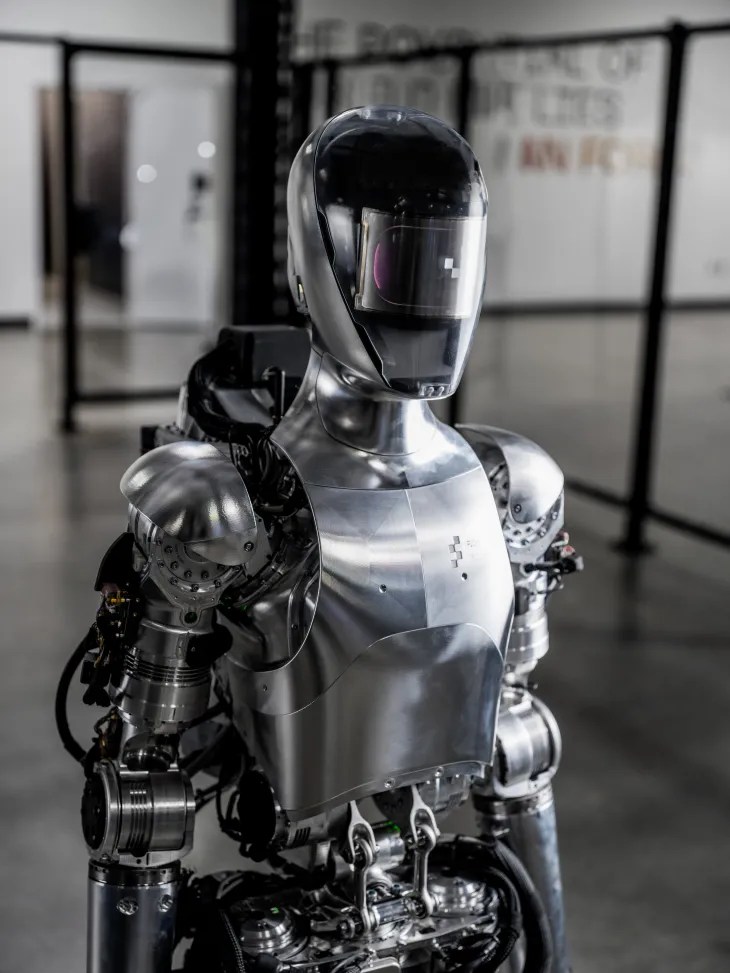
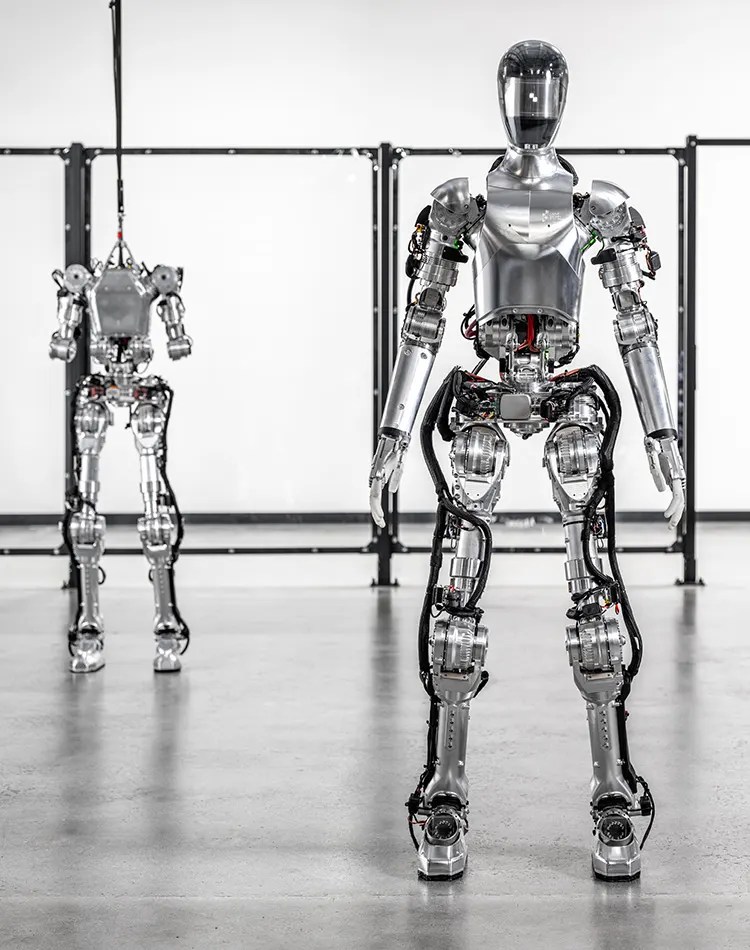
And all of that results in the Figure 1 robot, and they’ve already got these working in some BMW facilities.
Search for the video online, it’s widely available across the internet, but imagine, in it you will see that this is a robot that talks with a human-like voice, that ums and ahhs, that doesn’t even need direct instructions… you don’t have to ask it to give you an apple, you just tell it you’re hungry and it figures the rest out!
They also show it multi-tasking, it’s answering a question while clearing away rubbish. Yes, okay, it’s a little slow to respond, but that’ll change very quickly I imagine, and when it does react and work, it’s quick, smooth and accurate.
Ultimate Robot Machine then? Unlike the ultimate driving machine tagline of old, that BMW used in the past as you might remember.
It’s staggering, and the thought that within years, companies like Tesla and BMW might be offering these things for sale is mind-blowing.
So why are car companies so interested in developing robots?
I feel the answer is obvious, and perhaps a little sad for car enthusiasts like me.
The fact is, they see the future. In a world where personal vehicle ownership may decline due to environmental concerns and so-called Green legislation, plus increased urbanisation, the rise of shared mobility, and very probably the arrival of real autonomous vehicles (I don’t mean the autopilot systems on some of today’s cars that claim to be autonomous).
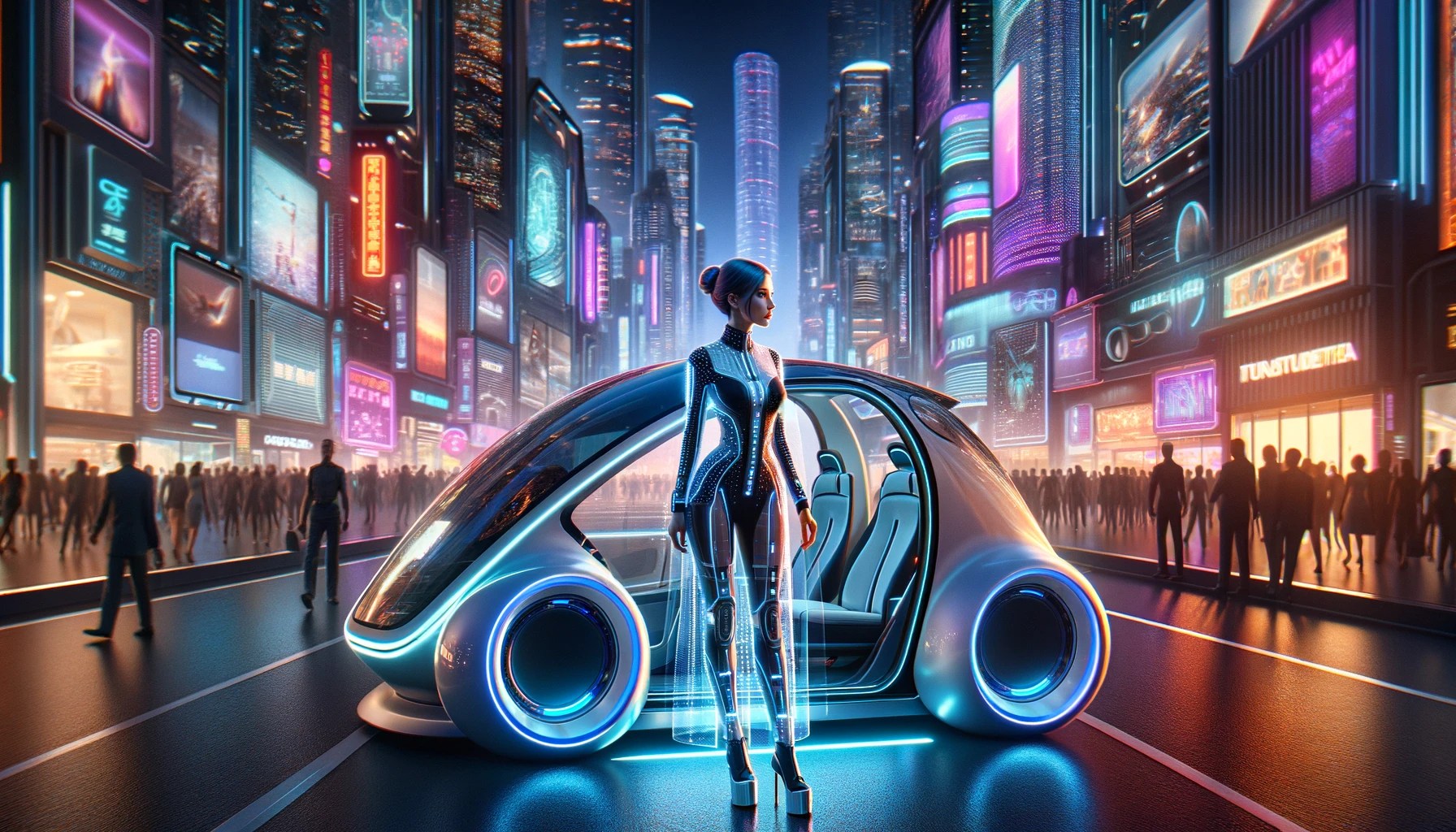
I’m referring to mobility pods that you can call to your location and literally tell it not just where you want to go, but just say things like ‘I fancy a night out’, or ‘I want to see such and such movie, take me to a cinema showing it’, and it’ll not only figure that out but probably book your tickets as well!
The carscape will change dramatically, the whole concept of car ownership may change or disappear completely. So car companies are pivoting, they kind of have to.
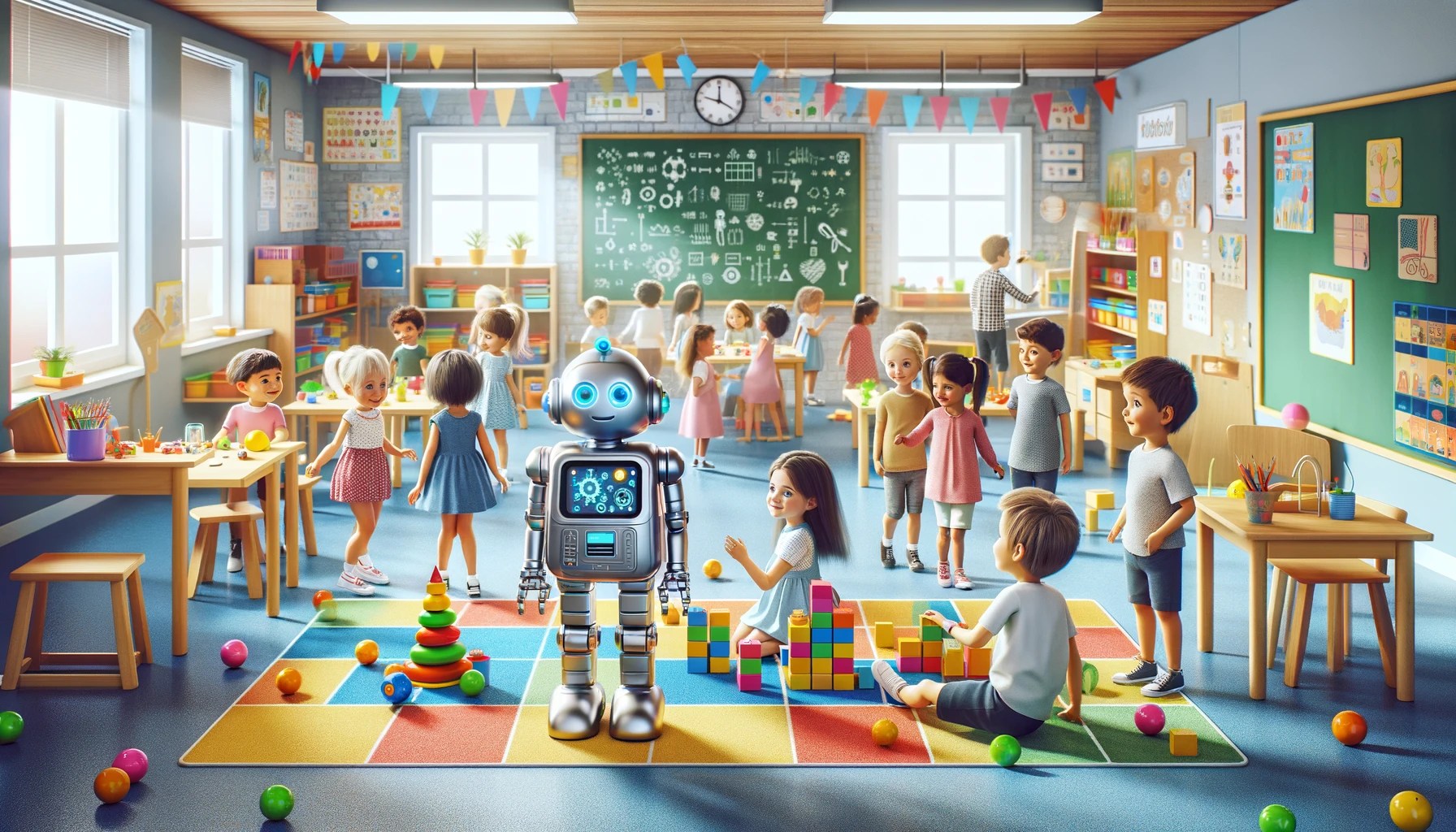
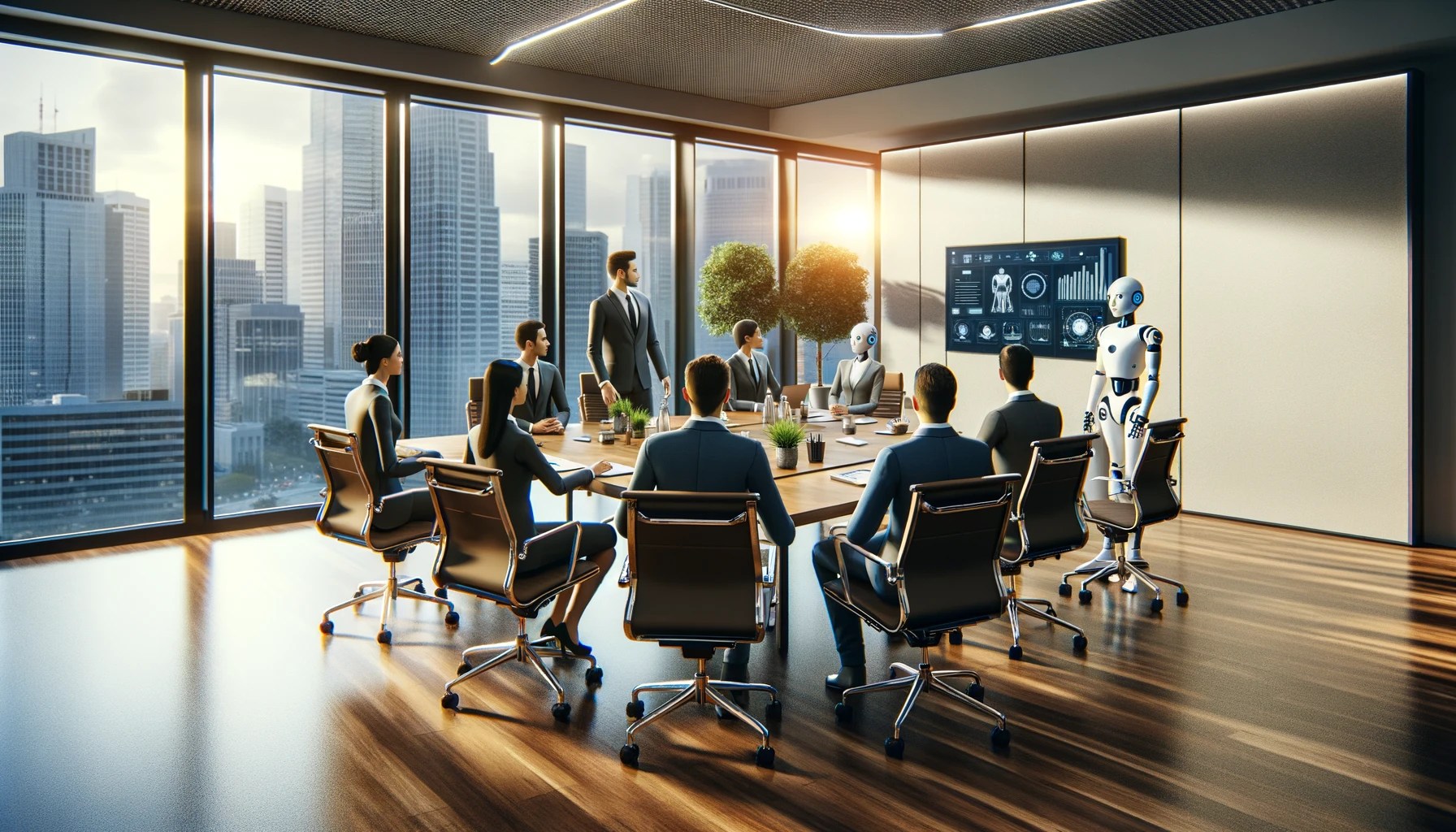
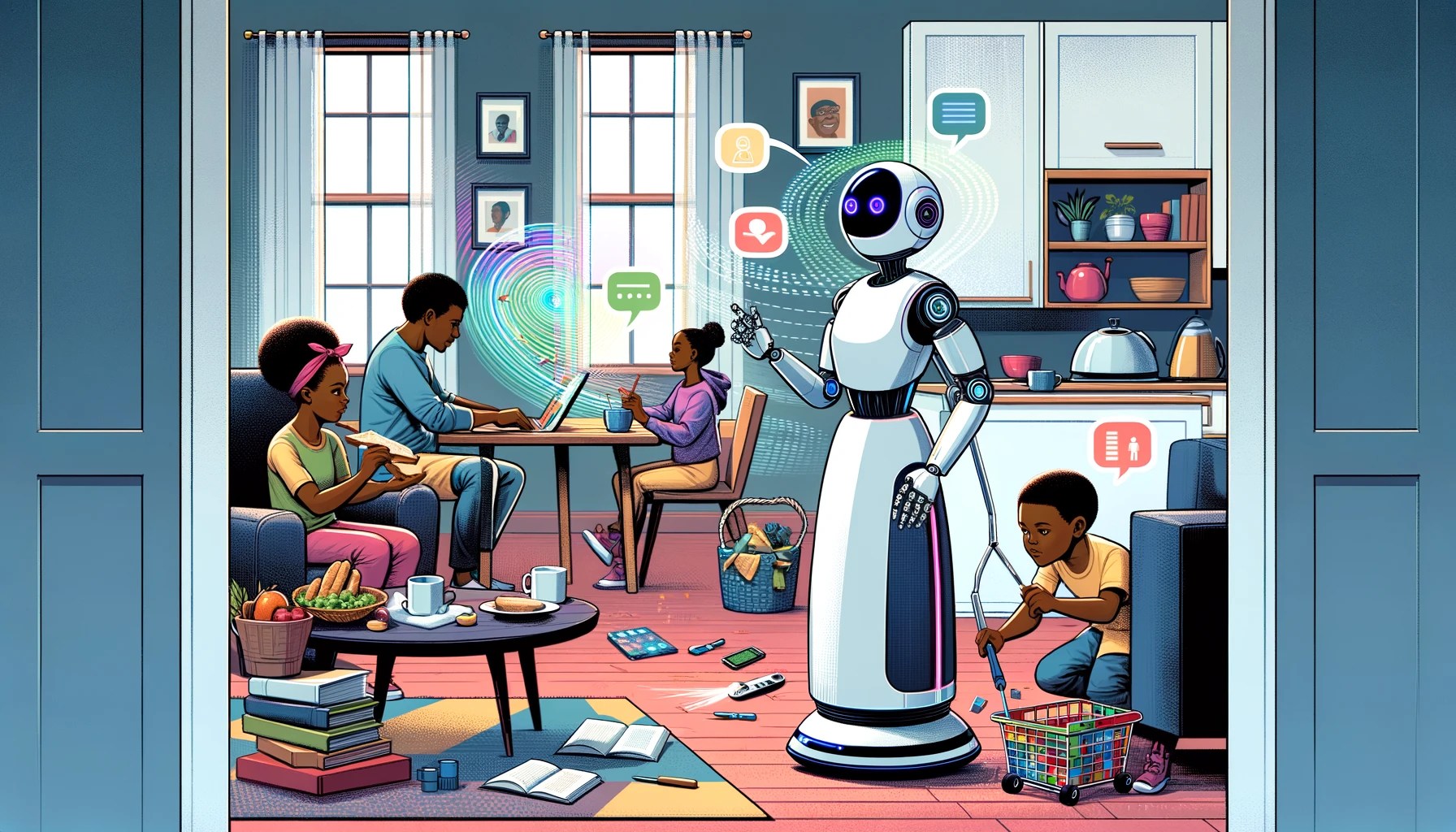
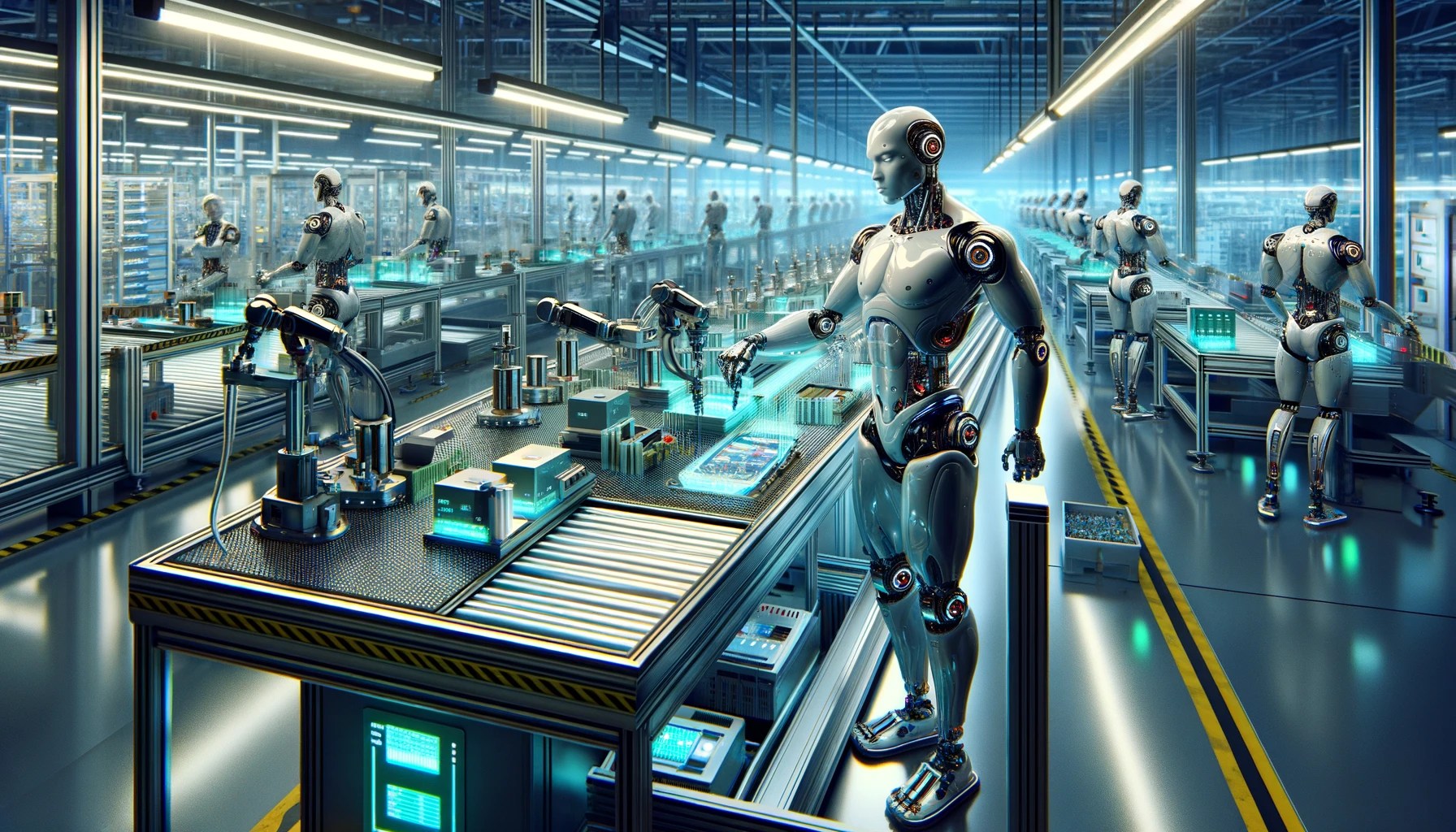
It makes sense that they’re leveraging their expertise in engineering, manufacturing, and automation to stake their claim in the next technological frontier: humanoid robots, not just for commercial or industrial use, for example working as waiters in a restaurant or working on the next smart phone production line etc… but also as domestic… appliances? Servants? Assistants? Carers? Companions?
Probably all of those.
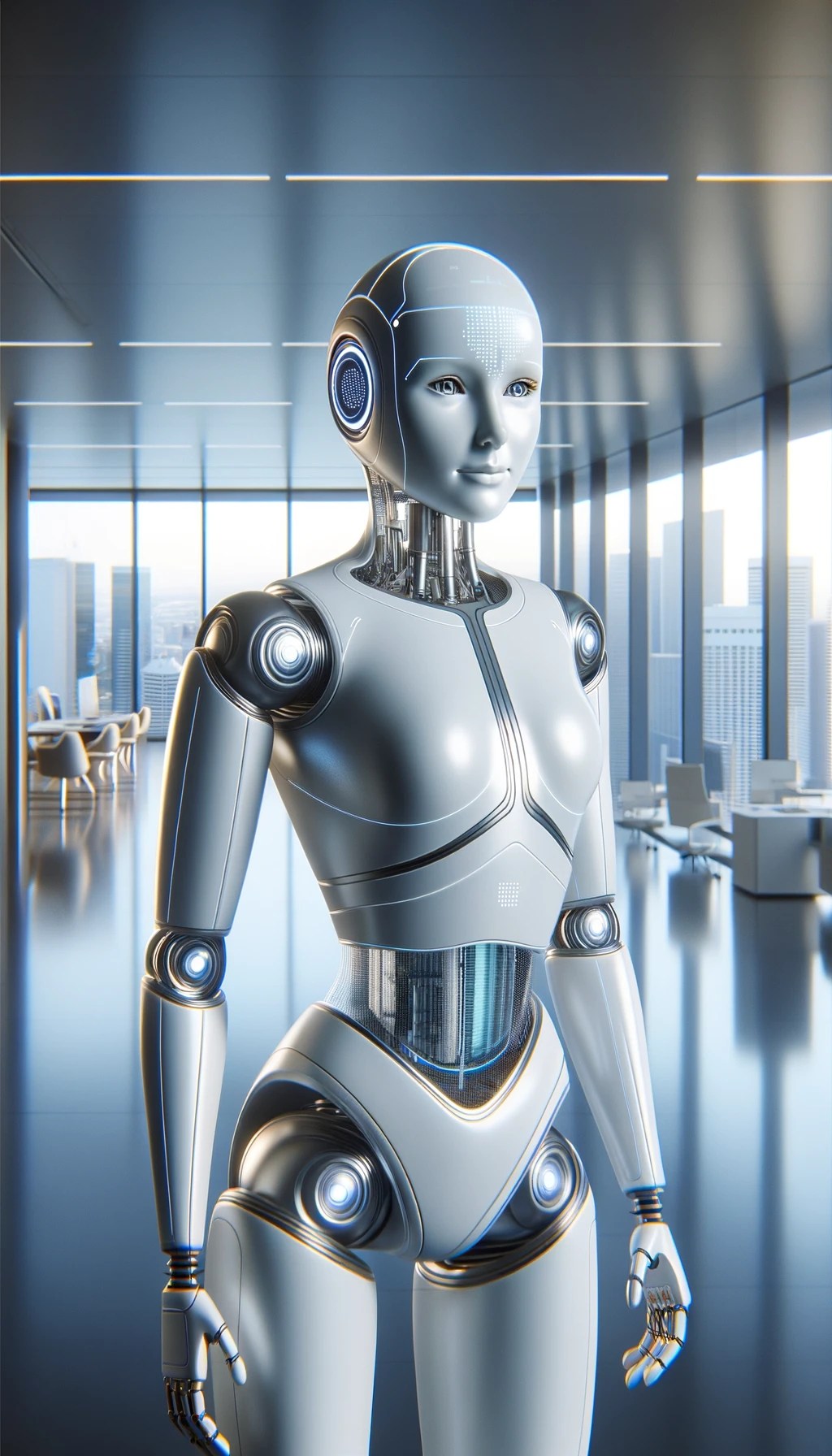
With the integration of Generative AI, you end up with androids capable of conversing naturally with humans, distinguishing between objects, and responding to instructions with a level of comprehension and nuance previously not seen in machines of any kind.
This isn’t just about making robots; it’s about redefining our interaction with technology, making it more intuitive, natural, and, importantly, human. I mean these are basically Data! We will have a real life Data soon?
Yes, I think so, and I reckon we won’t have to wait till the 24th Century, but we’ll see a version of him within a decade!
Of course, one might question why we are striving to make robots seem human-like, i.e. androids. After all, why do they need to have two arms, two legs, a head… a face of sorts?
I guess it’s about a human need to connect and relate to the technology. Humanoid robots, by design, evoke a sense of familiarity. They walk, talk, and gesture like us, bridging the gap between cold machinery and warm, relatable beings. This isn’t just a preference; it’s a psychological need.
It would seem that to integrate robots into our daily lives, we must see a reflection of ourselves in them, ensuring a smoother, more natural integration into our social and personal spaces.
Again, we’ll need to relate to them, to connect to them, and in this perhaps they are closer to our connection to cars than might be obvious. After all, we car fans often ascribe a ‘soul’ to our cars, we see them as more than just an assembly of metal and plastic, we care for them, look after them… maybe even talk to them?
But of course, it’s not just car companies looking into robotics – frankly, they’re probably a little on the periphery, even though they are able to leverage their massive R&D facilities, engineering expertise and vast budgets to accelerate developments far quicker than smaller new startups.
And don’t forget if… actually when… these androids go into mass production, car assembly plants will be probably be ready to make that switch – they already mostly have robots of a type, working in their factories anyway.
Meanwhile, those startups and even established tech companies are of course also spearheading the robot revolution.
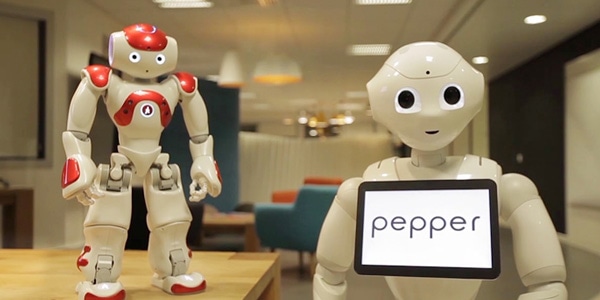
Japan’s Softbank’s Pepper robot has been interacting with humans in shops since the middle of the last decade, and learning from the experience. The company also produces the NAO companion bot.
Similar to this, is the Promobot from Europe, again used to interact with humans and work as an assistant, concierge, tour guide and even a medical assistant!
China’s Ubtech Robotics makes machines for education, entertainment and even has them working in factories.
American’s Agility Robotics, essentially creates worker droids which are currently already active in some Amazon warehouses in America.
And of course, you have major companies like Google, Samsung and no doubt Apple that will be working on robots too.
It’s interesting to note that last month Apple seems to have abandoned plans to make its own electric car – something it’s been working on for nearly a decade. And I can’t help but think the savvy company has realised it’s not worth it, and I wouldn’t be surprised if it’s pouring its efforts into AI and robotics instead.
I mean so many of us that rely so much on our iPhones, surely we’ll be the first to happily accept the idea of a domestic robot from Apple? After all the phone already has all our details and knows everything about us!
But who’s going to win this robot race? It’s anyone’s guess frankly. Will car companies, with their mastery over machines, lead the charge? Or will tech giants, with their deep roots in software and AI, pull ahead?
I don’t know really. It’s a popcorn moment, isn’t it? Just grab a box of salted caramel, sit back and watch how this unfolds. And make sure you have your loo-break first, because I think this is all going to happen very quickly when it all really gets going.
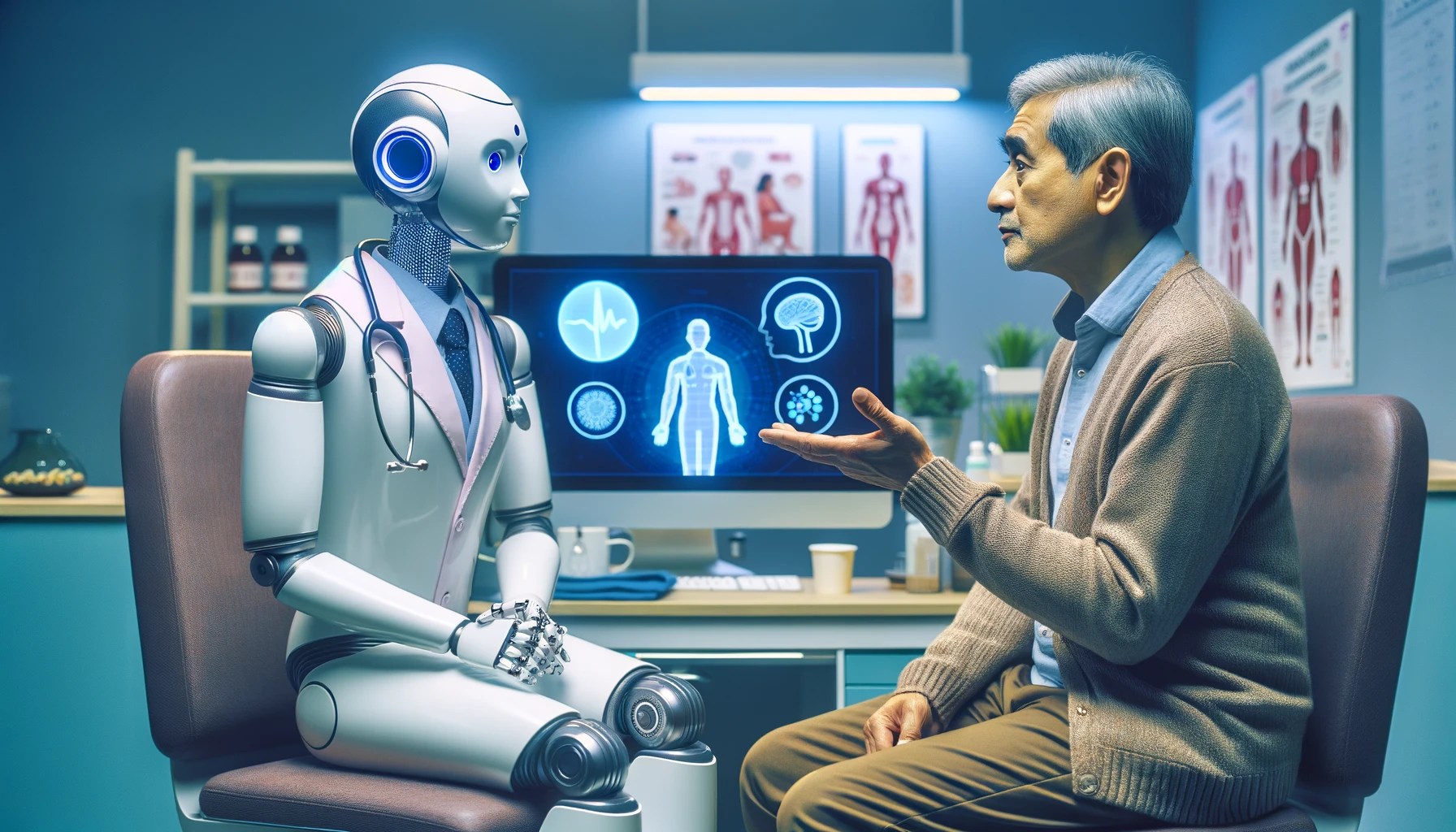
And let’s be honest, I feel in some cases they can’t come soon enough. I mean right now in the UK, the NHS health service is under extreme stress, close to collapse and one of the main reasons is that we don’t have enough medical staff. There’s a shortage literally of tens of thousands of doctors, nurses and medical practitioners in the service at the moment. In the case of a doctor, it takes about 7 years to train one. You could probably program an android GP in about 7 minutes, I should imagine. Would you trust it though?
It’s all looking inevitable. From serving as our personal assistants to potentially saving lives in hospitals, humanoid robots are gearing up to become a ubiquitous part of our daily lives. The question isn’t if they’ll become as common as smartphones, but when. And as we stand on the brink of this robotic renaissance, one thing’s for sure: the future looks fascinating, with more than a hint of sci-fi come to life. And the sci-fi fan in me, can’t help but be excited.
So, whether you’re a car enthusiast, a tech geek, or just someone curious about the future, the development of humanoid robots is a storyline you’ll want to follow. Because, from doing our chores to raising our kids, these machines are poised to redefine our relationship with technology, making the leap from science fiction to science fact, in record time quite frankly.
This is going to happen, this is happening… the only question is… what will we all do? When robots are doing everything, what’s left for us? Now that’s a whole other conundrum, maybe for another video, and I welcome your views on that in the comments below!
Follow all my channels https://linktr.ee/browncarguy
Get my book! https://amzn.eu/d/adFimgB
If you enjoyed this review sponsor my content from as little as £3 at
https://ko-fi.com/browncarguy
Big Thanks to my Supporters!
CraftLab (https://www.CraftLab.my)
Design5IT
Tom Conway-Gordon (https://www.instagram.com/anycoloursolongasits_black/)
And others! 🙏🏽☺️
Discover more from Brown Car Guy
Subscribe to get the latest posts sent to your email.

Leave a comment