
10 from the just-released UK Hagerty BullMarket List, 11 from the US Hagerty BullMarket List Plus Four of my own choices!
Every year, the classic car world gives us something incredibly valuable: perspective. Market data. Trend analysis. Long-term insights. Carefully curated Bull Market lists that track what’s rising, what’s stabilising, and where enthusiasm is quietly building long before prices make headlines. Organisations like Hagerty don’t just look at values, they study behaviour, demographics, cultural shifts, and how people actually use and enjoy their cars. That work matters. A lot.
It gives enthusiasts and buyers a clearer picture of where the classic car world is heading, not just where it’s been. It helps cut through hype, spot patterns early, and understand why certain cars are being reappraised by a new generation of owners. This video builds directly on that foundation.
The 15 cars featured in it are informed by real data, real trends, and real-world observations. They reflect what the market is doing, what enthusiasts are searching for, and what collectors are quietly buying before the wider world catches on.
The Bull Market Is Real – But It Isn’t Everything
There is a bull market brewing in certain corners of the classic world. You can see it in the way 1990s performance cars are being reappraised. In how early modern classics are finally shaking off depreciation and becoming desirable in their own right. In how Japanese icons, once laughed at, are now being treated with the same reverence European metal enjoyed for decades.
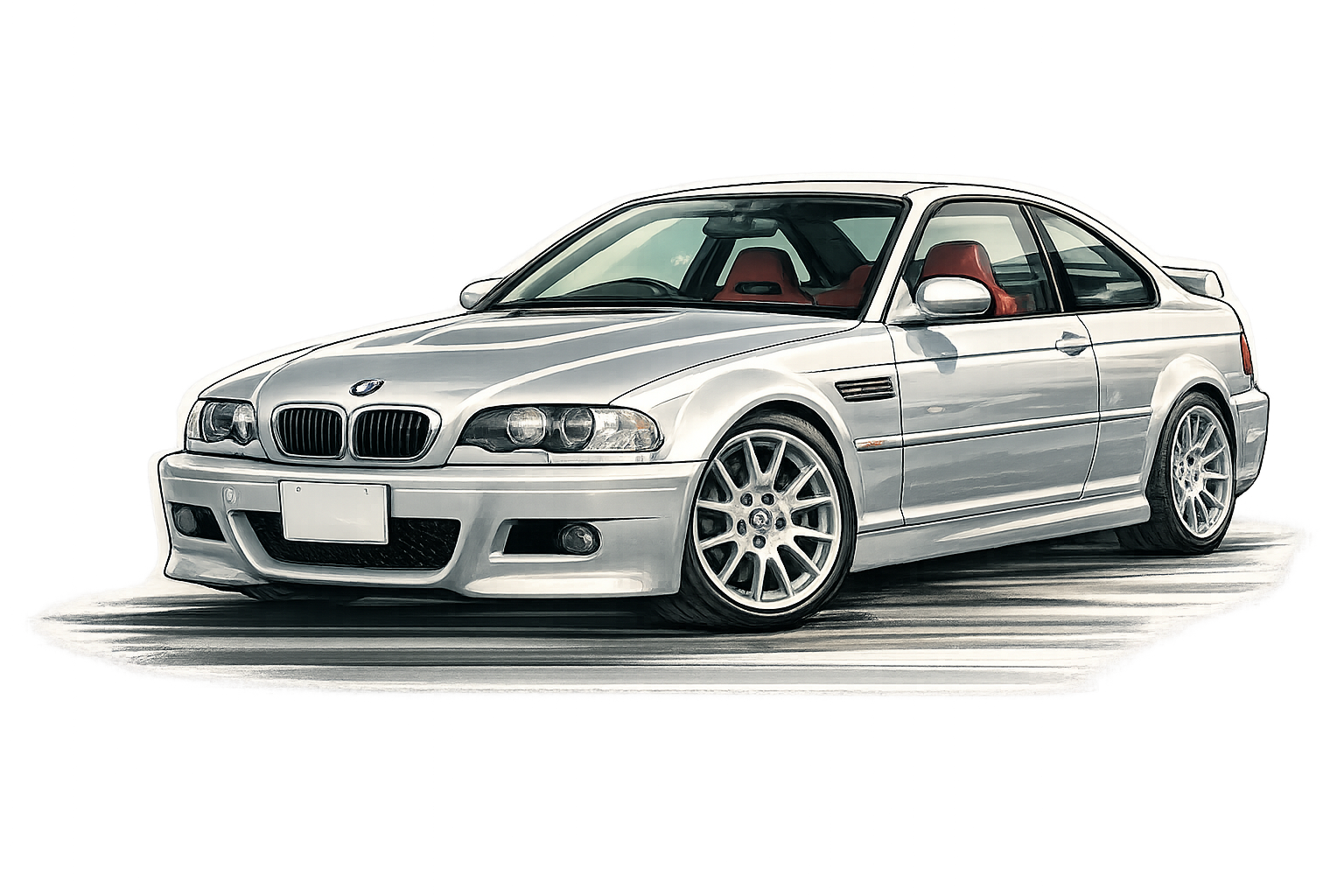
Cars like the Porsche 996, the BMW M3 E46, Japanese performance heroes, American muscle that was once unfashionable, and European luxury barges that suddenly feel honest and analogue again – these aren’t random picks. They’re cars sitting at the intersection of nostalgia, usability, and cultural relevance.
They’re cars people can still drive. They’re cars that fit modern roads, modern lives, and modern realities – even as new cars become heavier, more complex, and increasingly disconnected from the act of driving itself.
How the Market Looks When You Step Back
What becomes genuinely fascinating, once you step back from the individual price charts and year-on-year percentage movements, is how differently the classic car story is unfolding depending on where you look. In the UK, the data continues to show strength in usable classics, cars that fit into modern life, cars that can be driven, serviced, insured, and enjoyed without turning ownership into a full-time project. In the US, meanwhile, the picture leans more heavily toward emotional nostalgia, big engines, childhood poster cars, and the long shadow cast by late-20th-century performance icons that defined an era of optimism, excess, and mechanical drama.
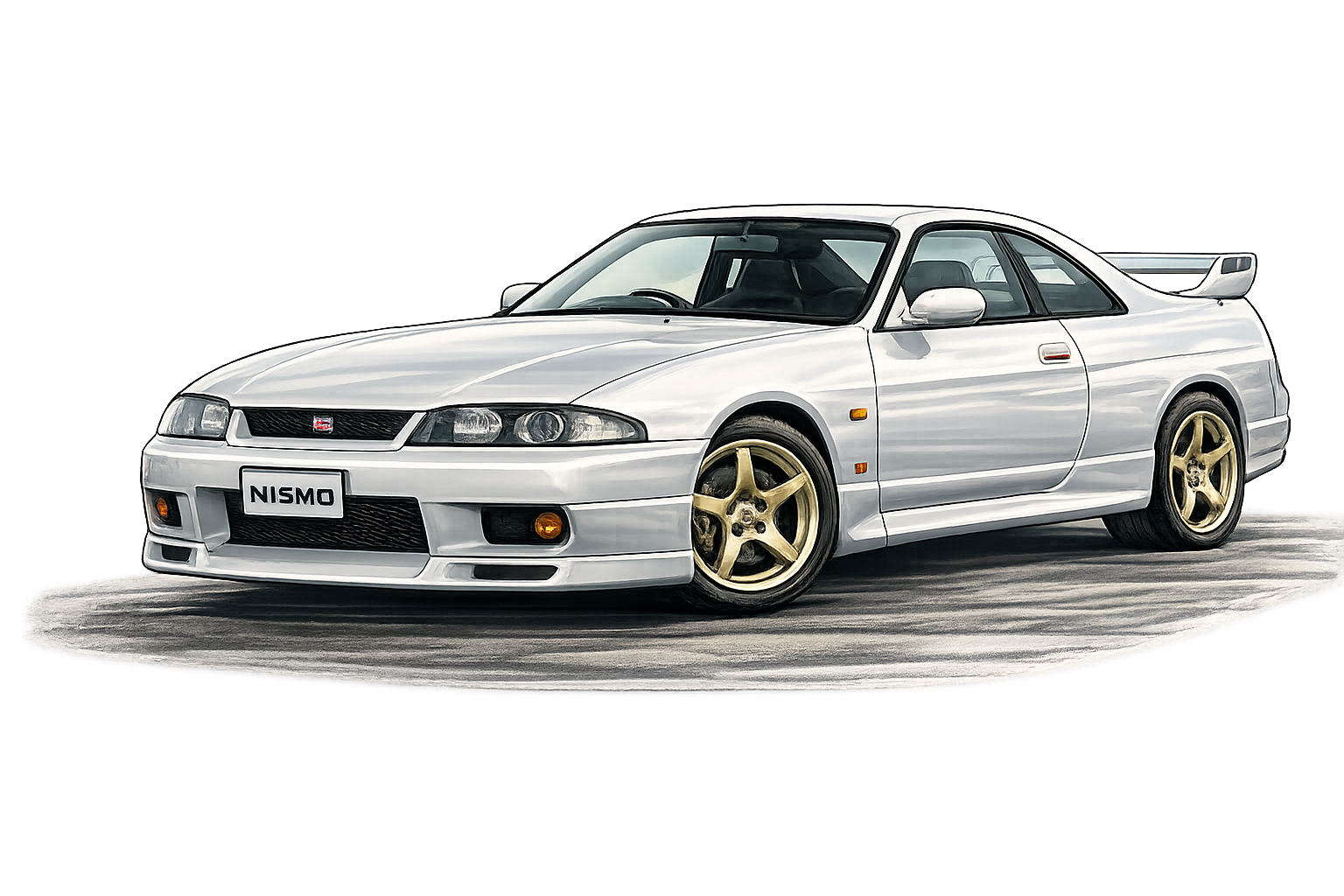
Put those two worlds side by side and you start to see why certain cars appear repeatedly across multiple lists, while others are market-specific outliers. A Porsche 996 makes sense on both sides of the Atlantic, even if it is appreciated for subtly different reasons. Japanese performance cars like the R33 GT-R, AE86, or EK9 Type R are increasingly global in their appeal, buoyed by a generation that grew up on Gran Turismo, Option videos, and late-night internet rabbit holes. Meanwhile, cars such as the Chevrolet 454 SS or certain American luxury barges remain more culturally rooted, carrying enormous emotional weight in the US while still feeling slightly exotic and intriguing to UK buyers.
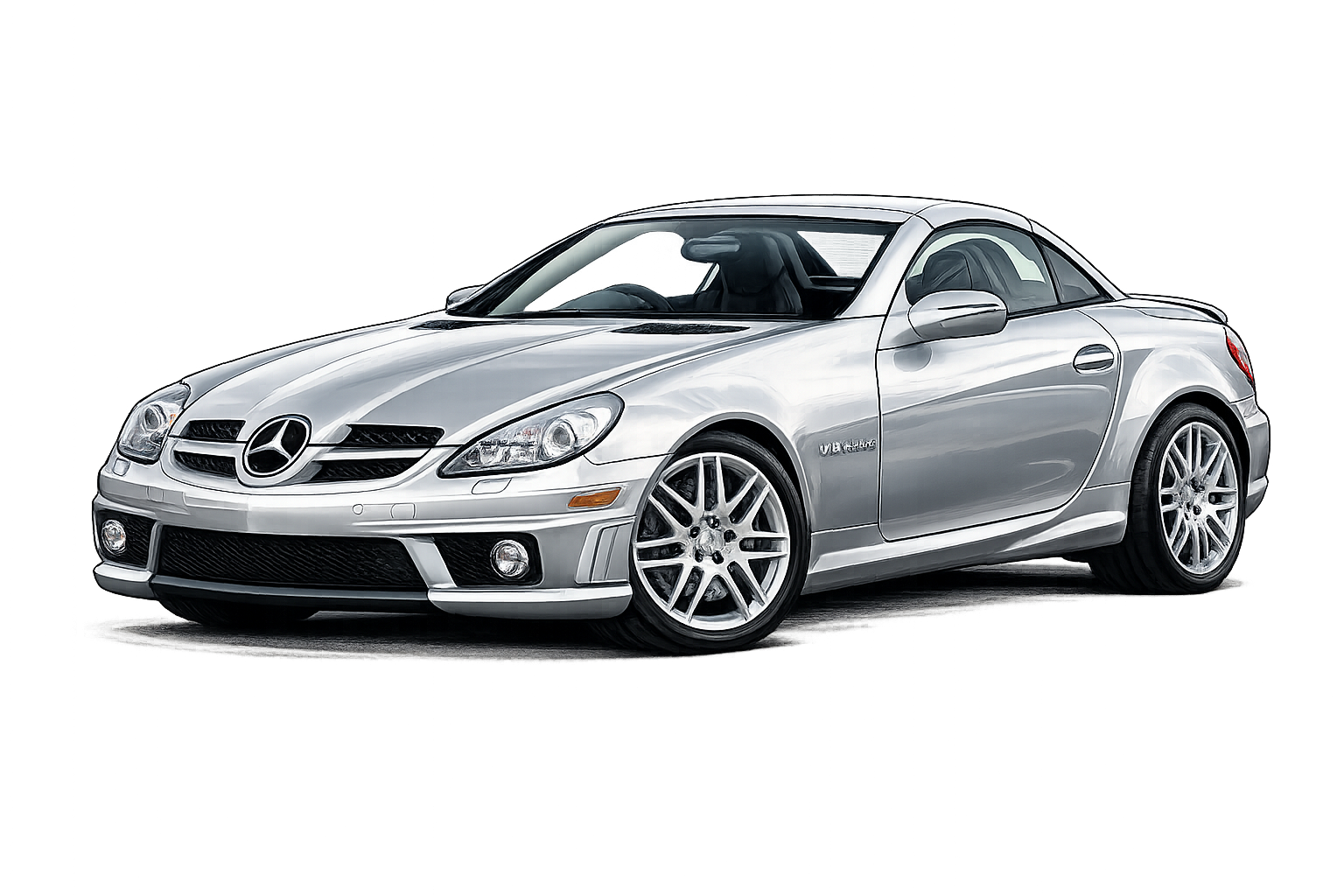
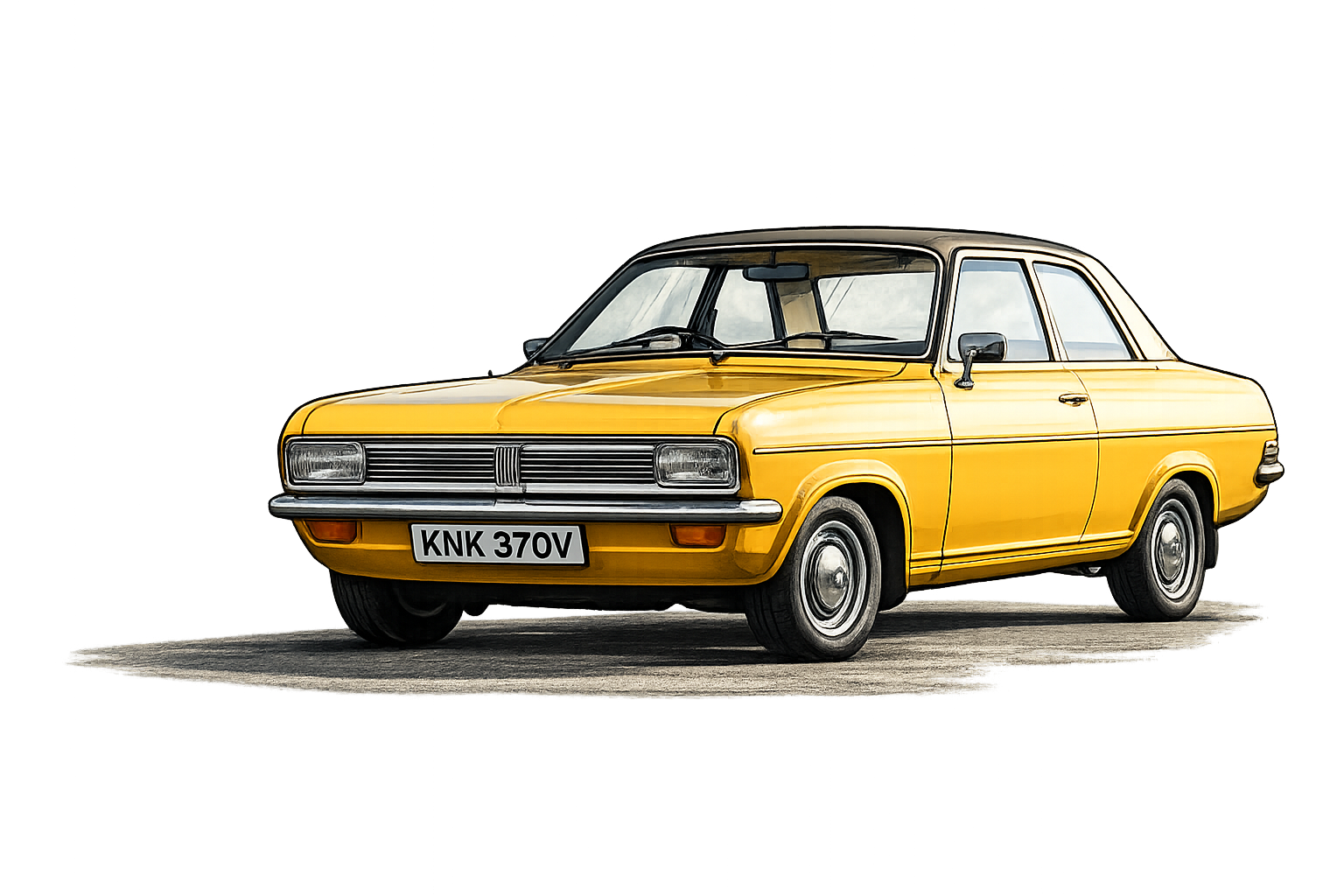
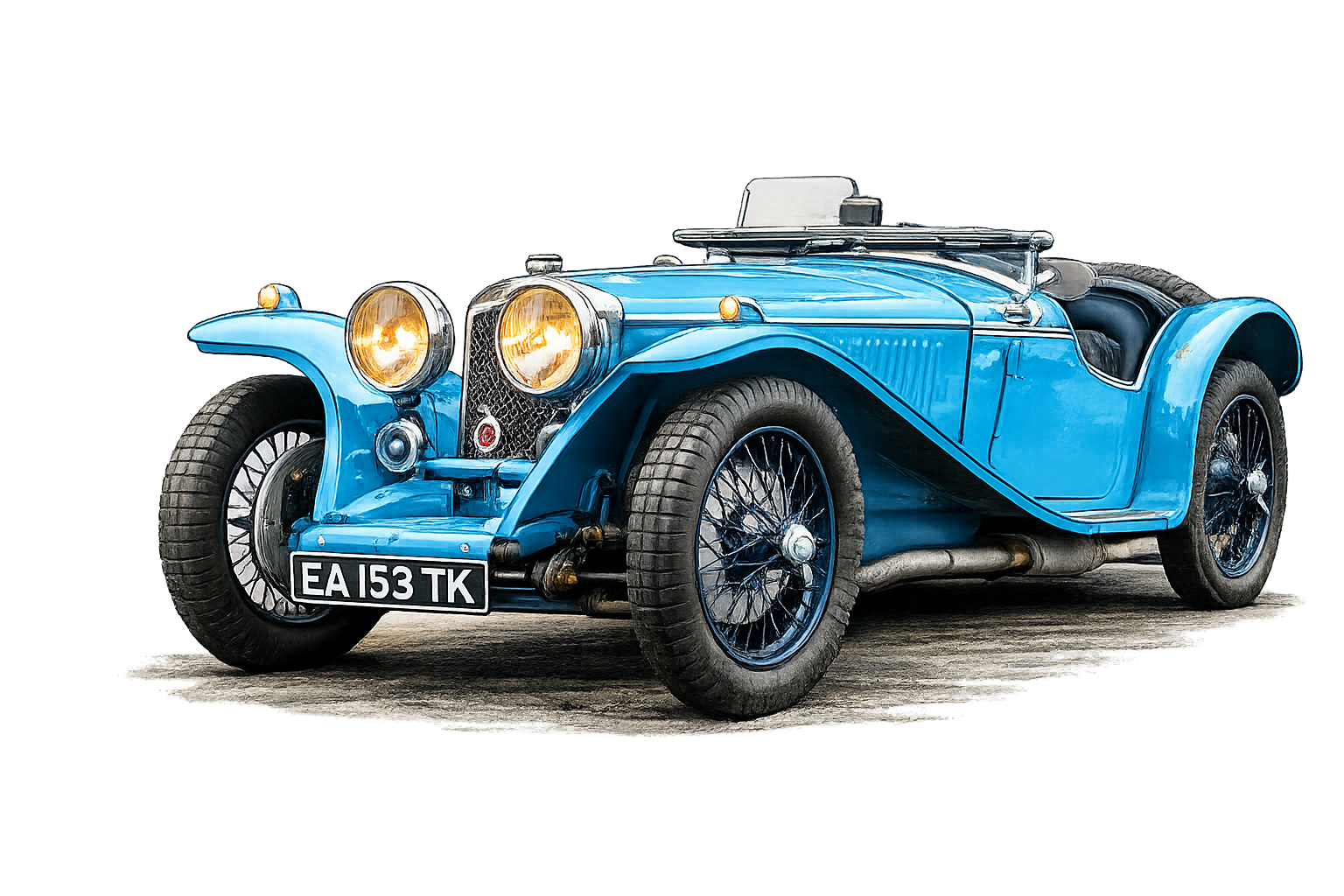
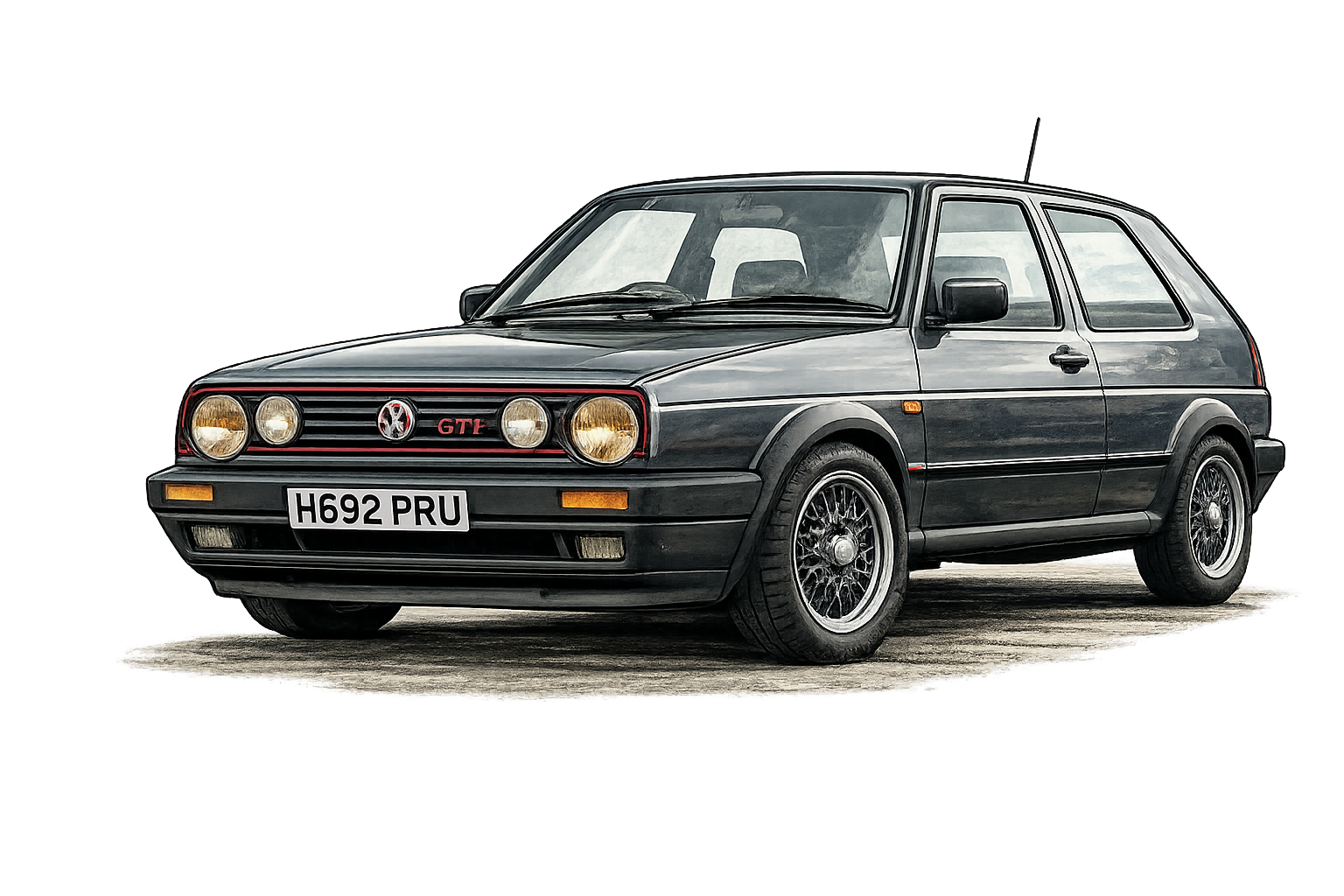
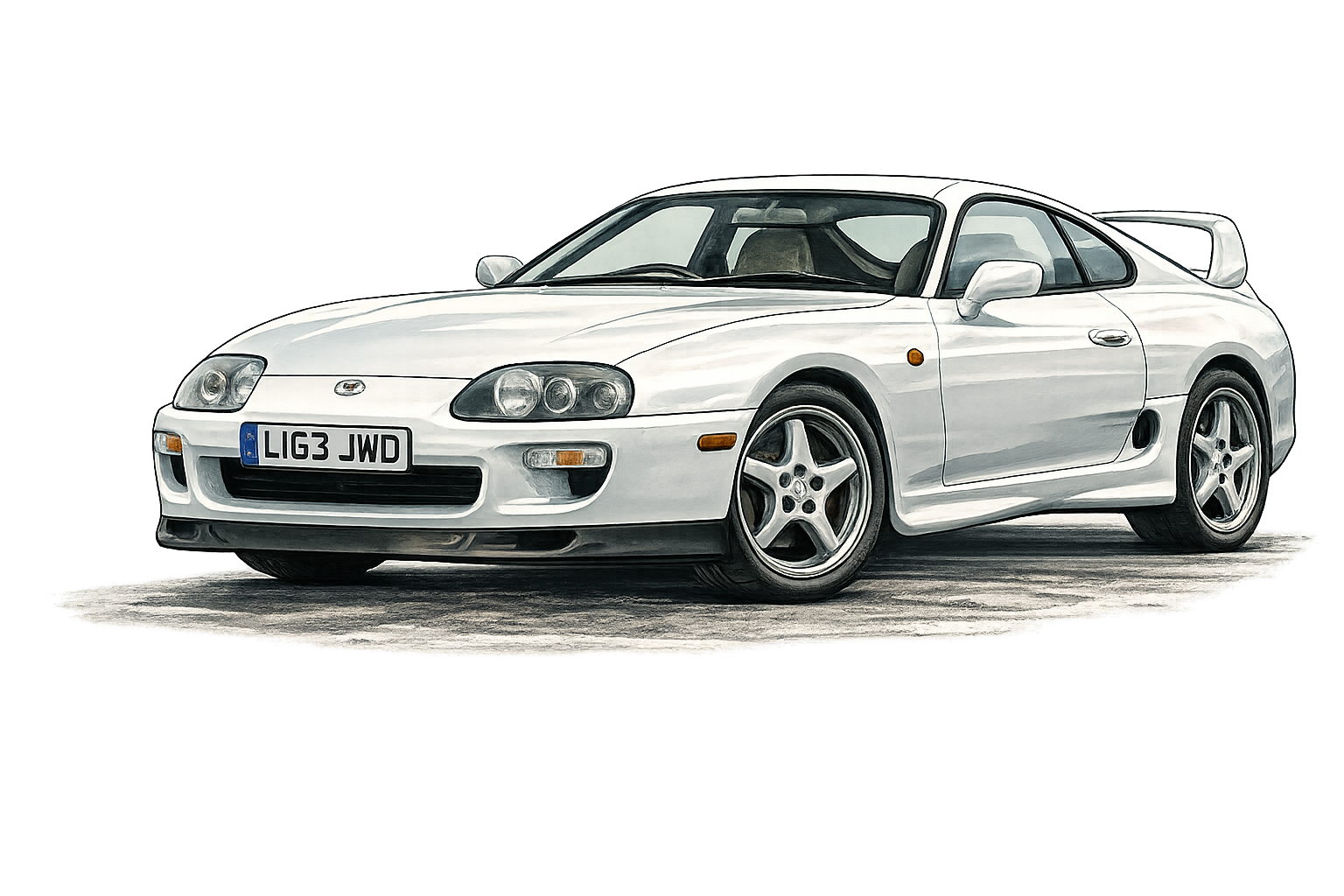
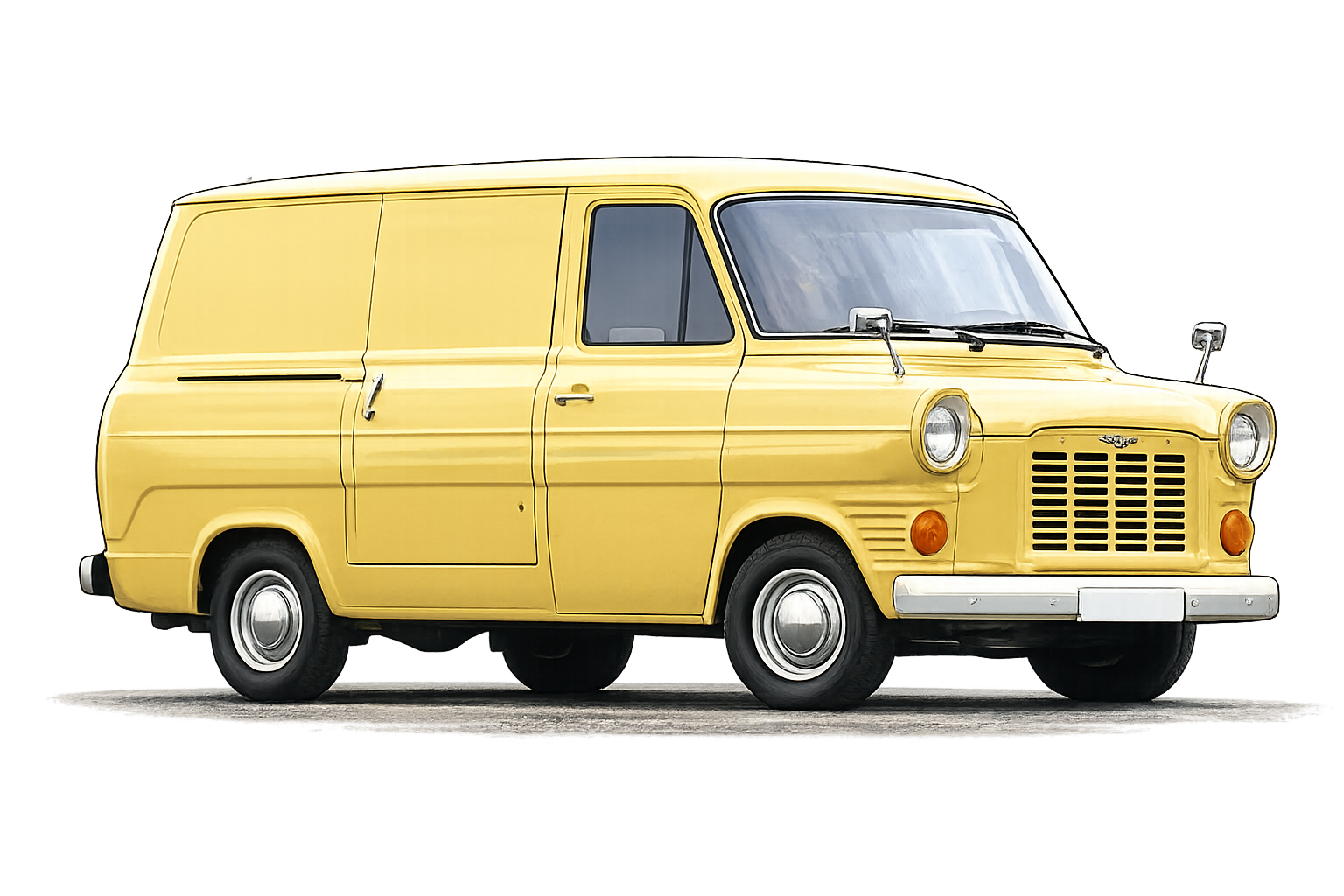
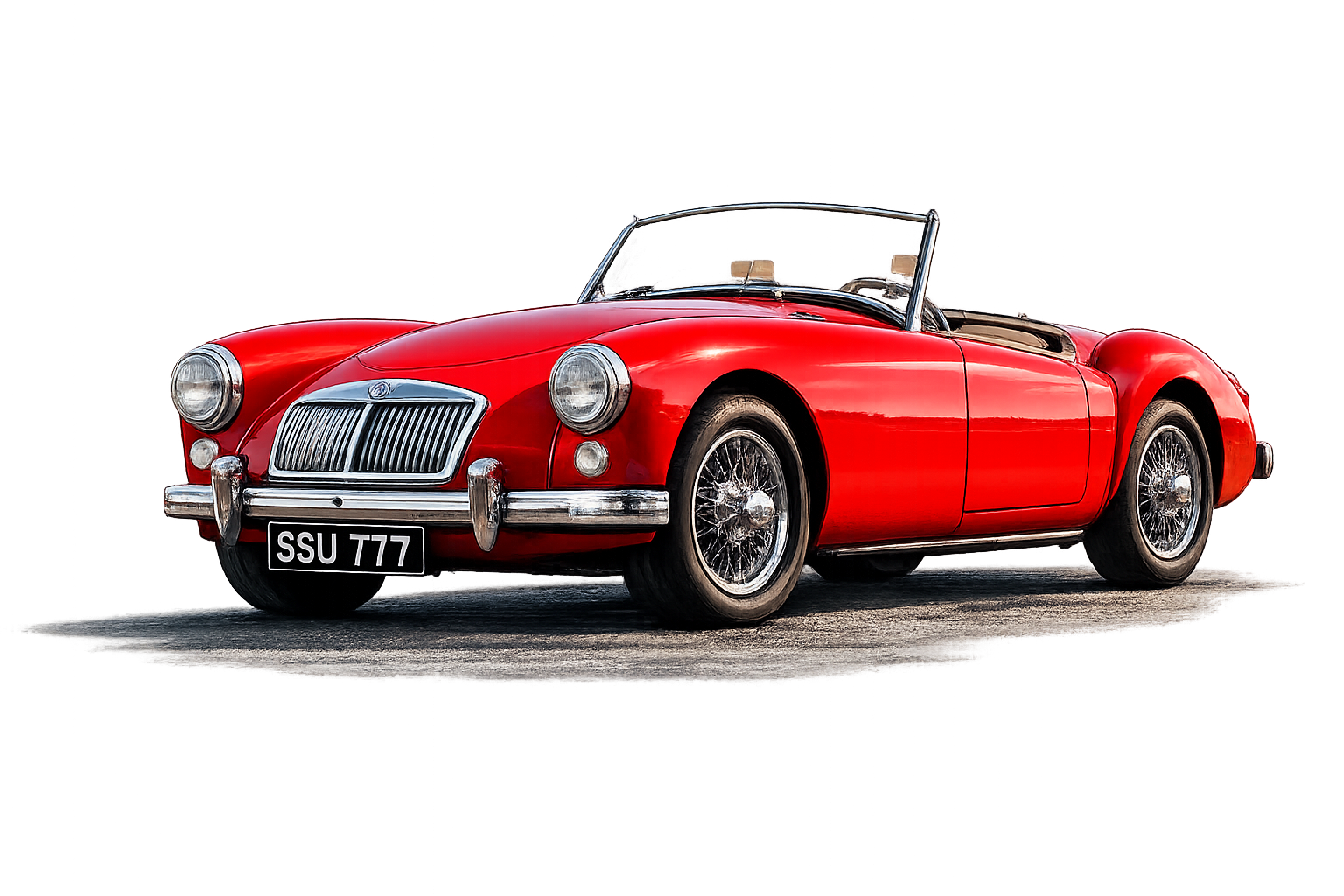
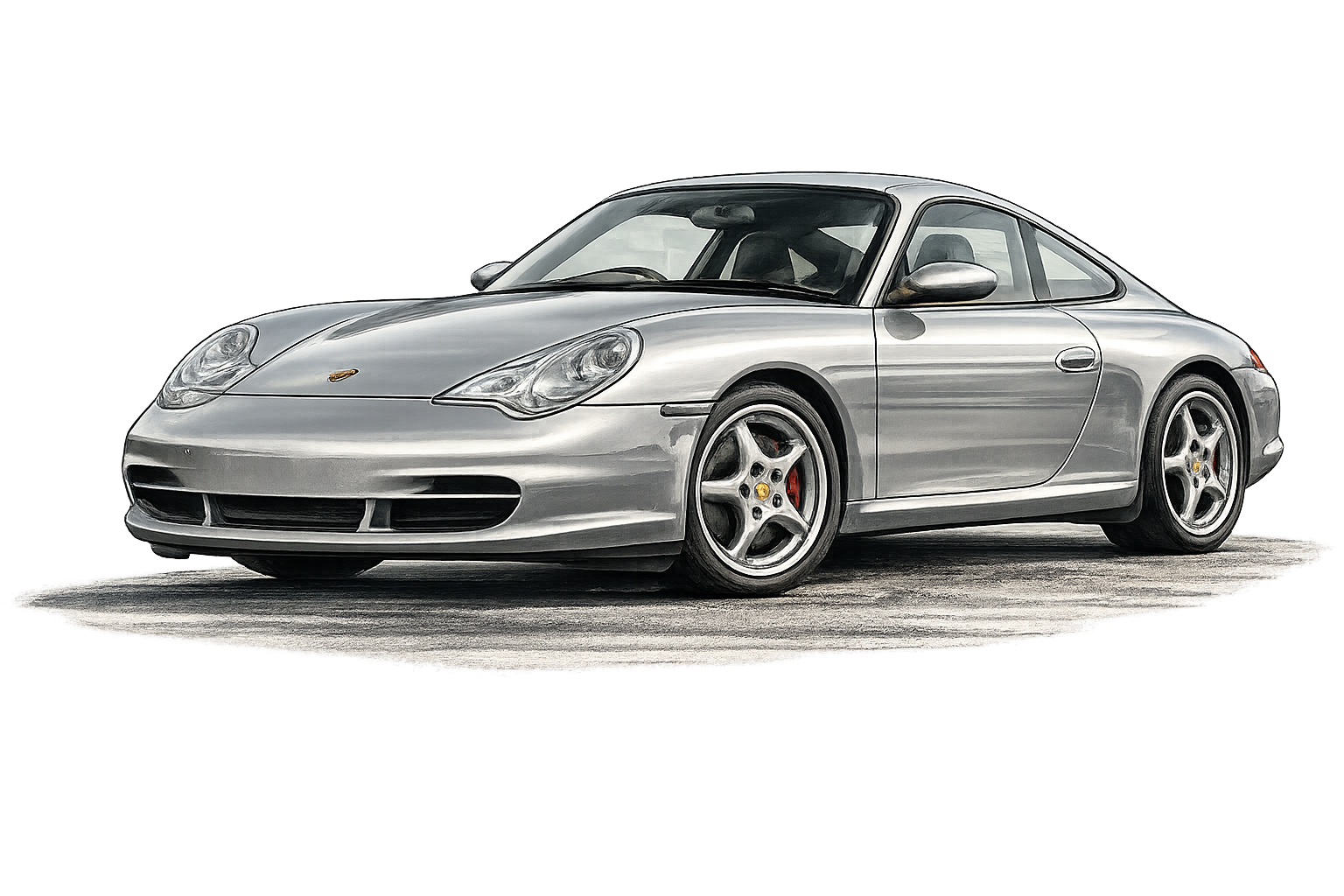


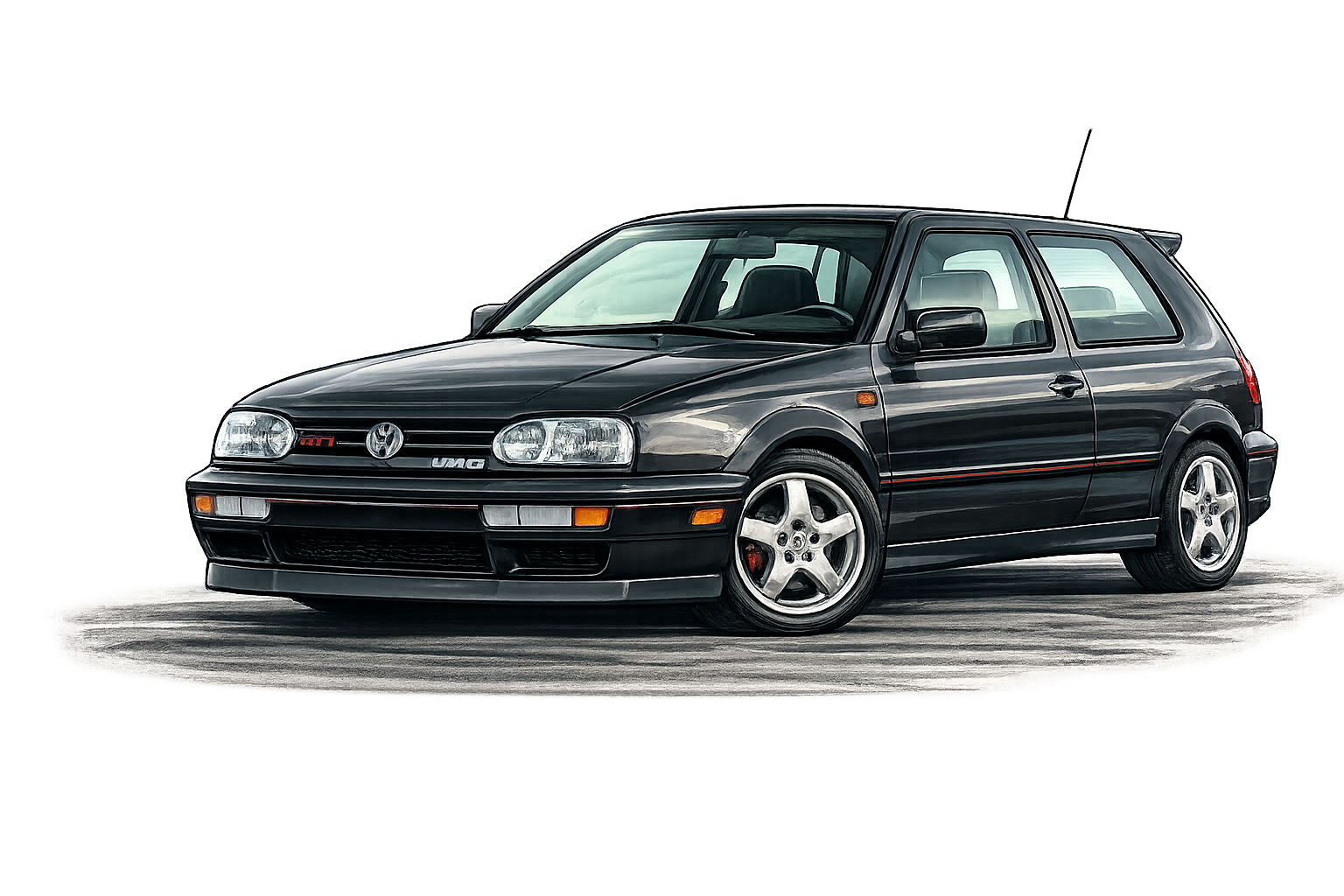
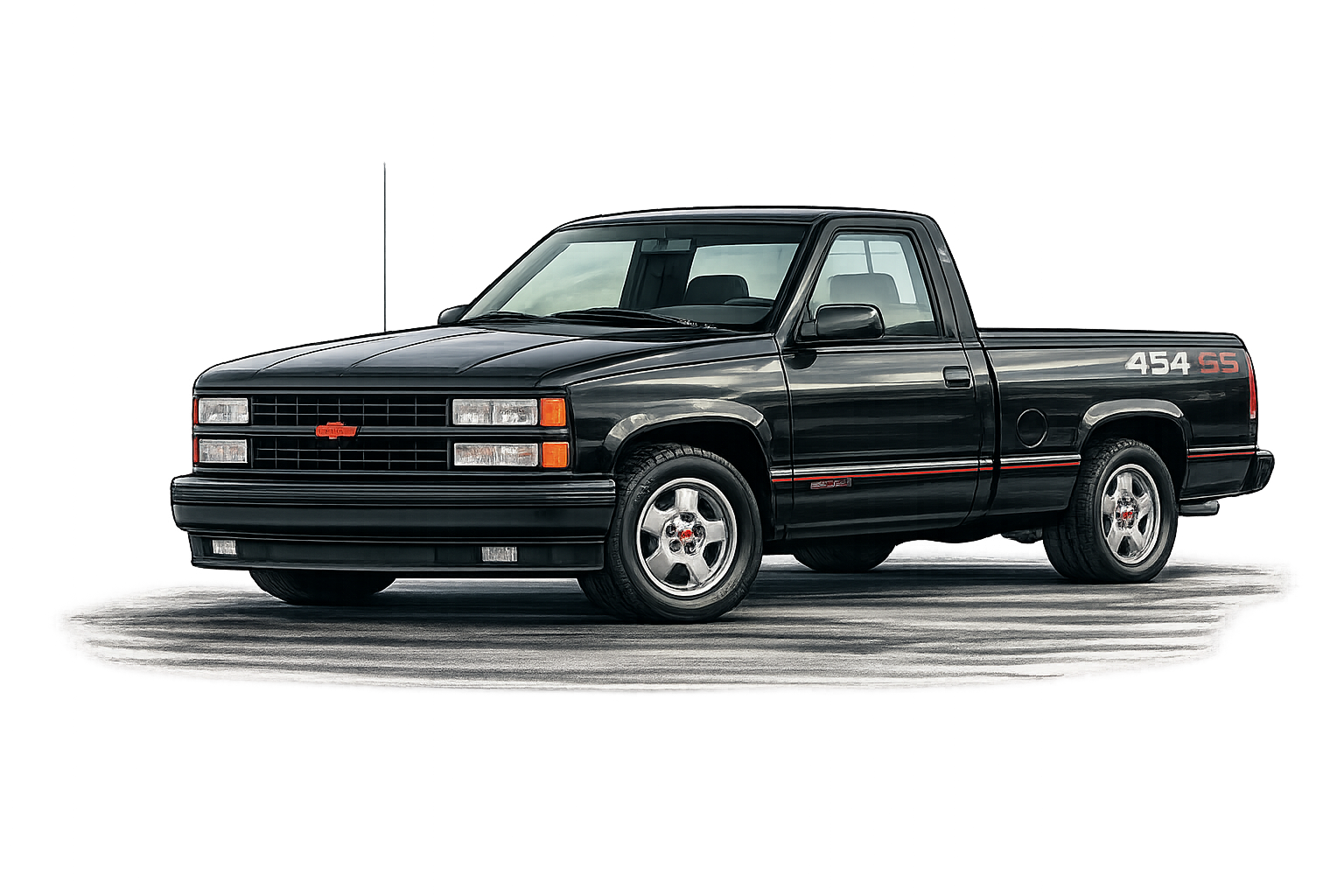
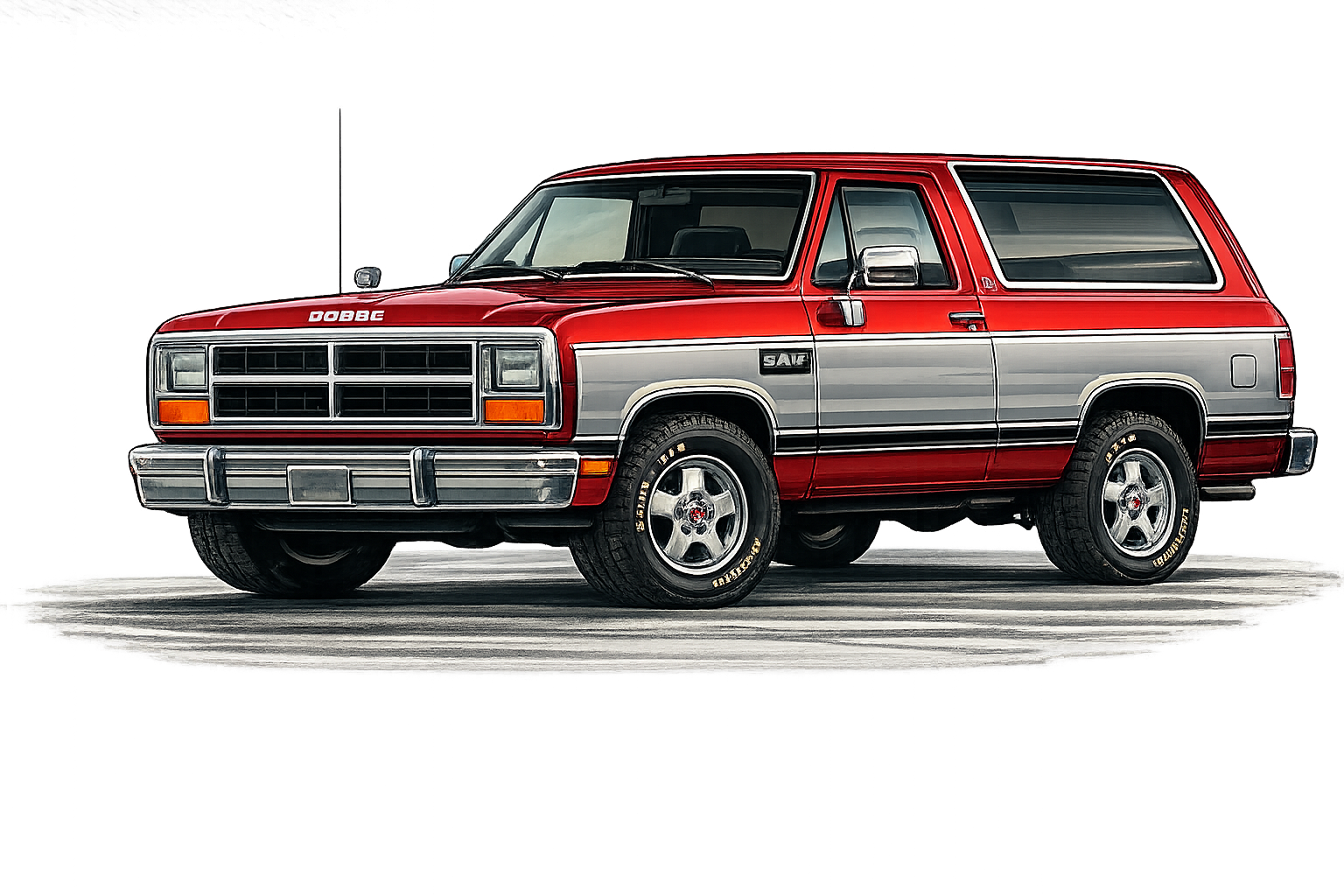
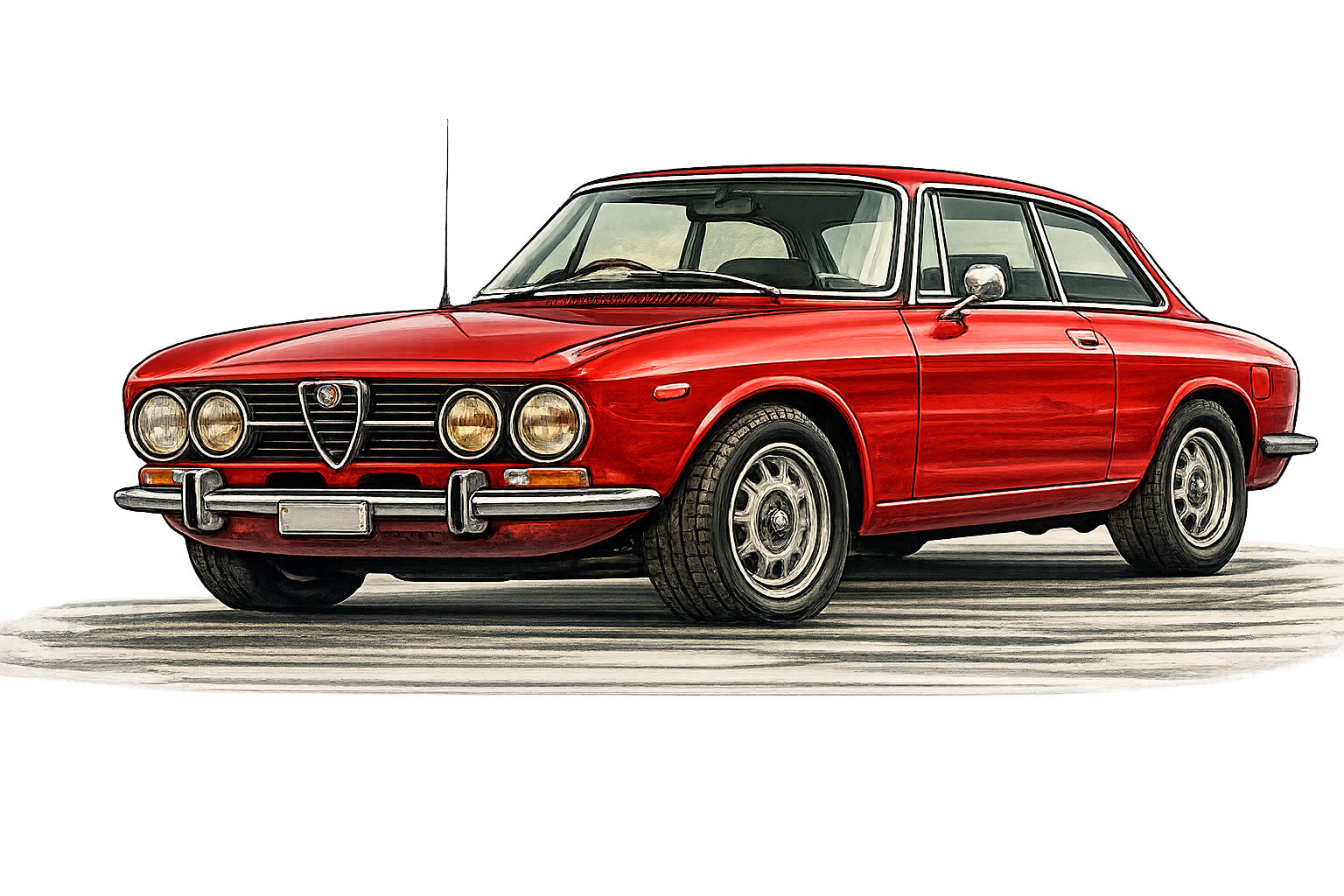
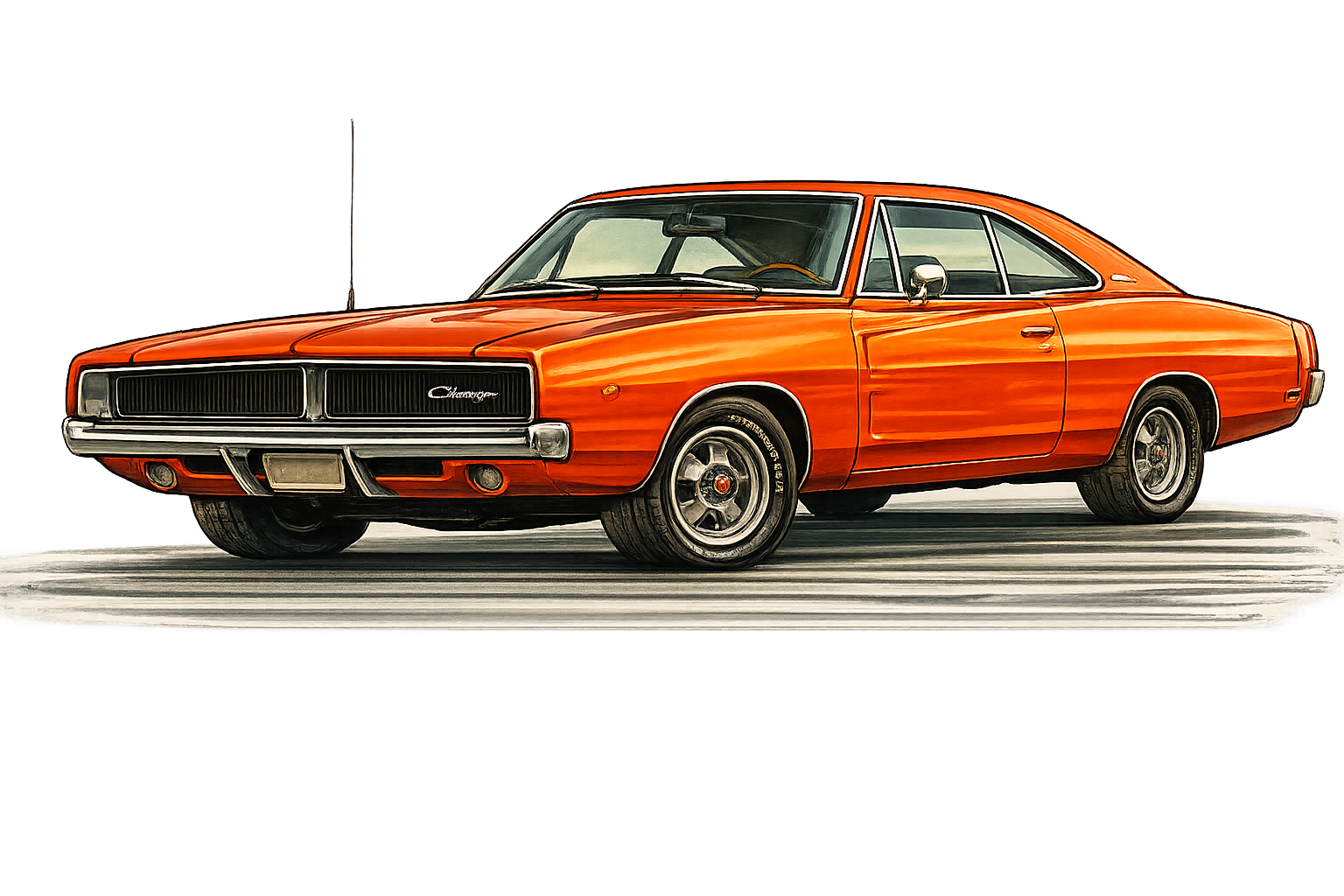

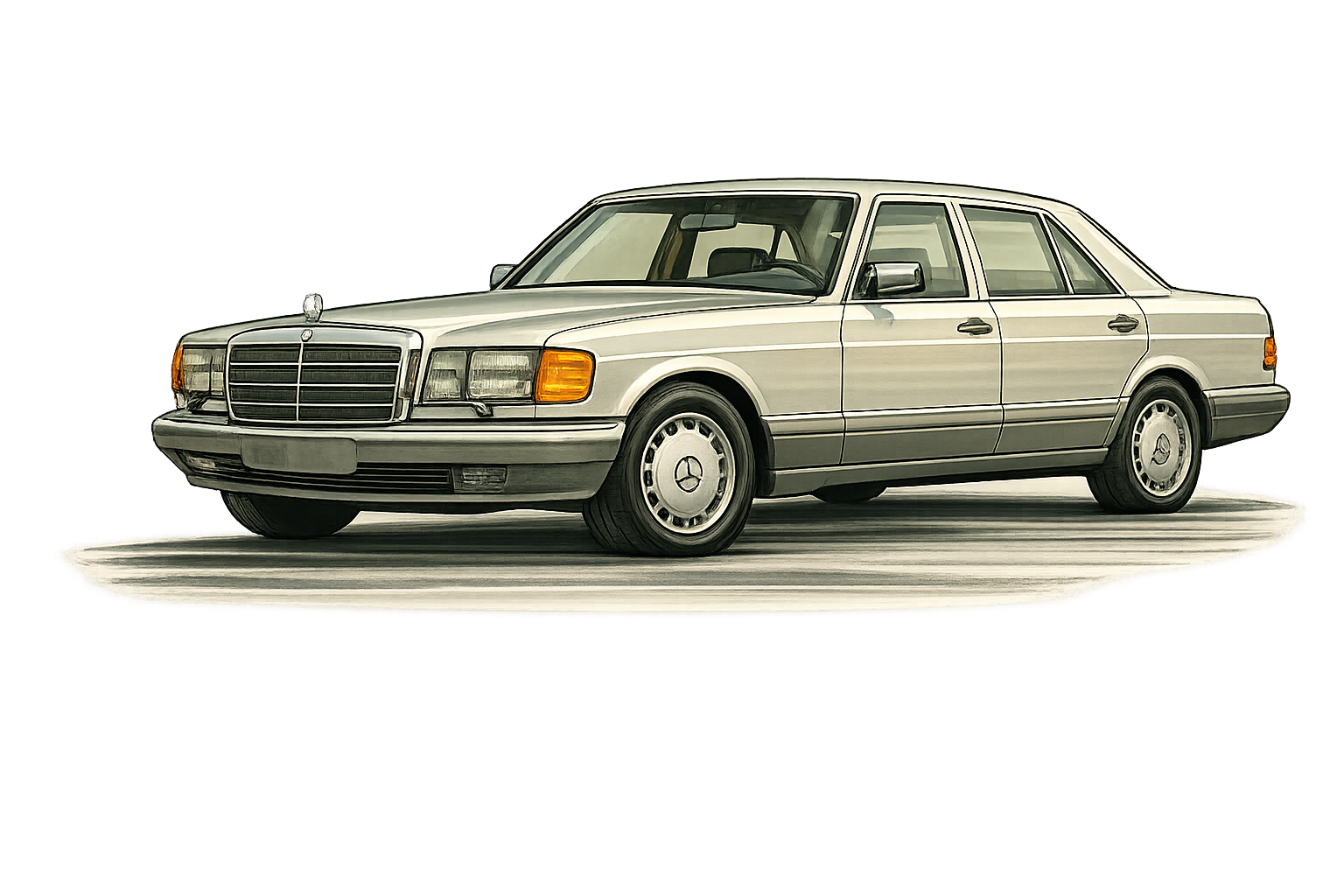
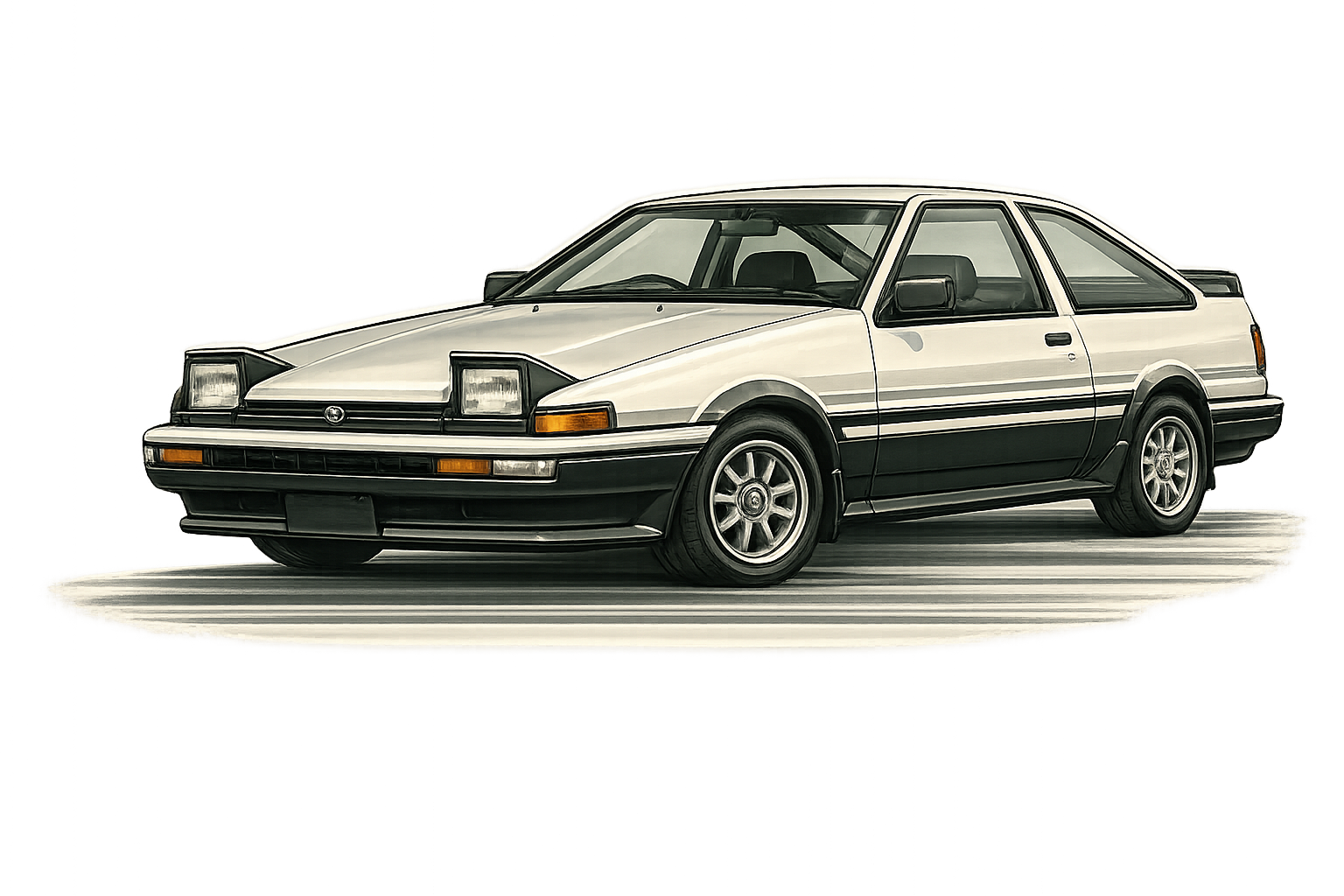
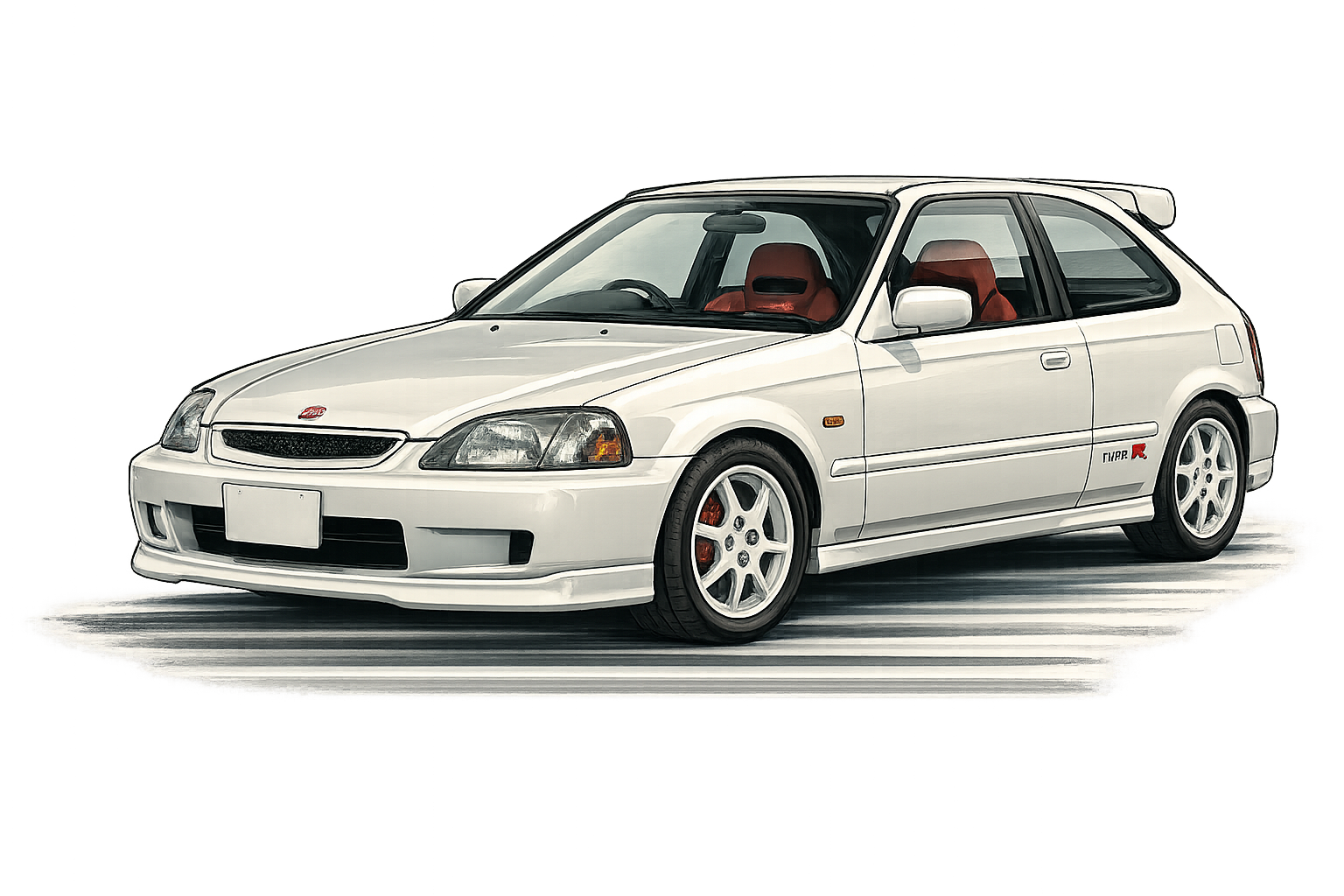
Why These Four Cars Made My Cut
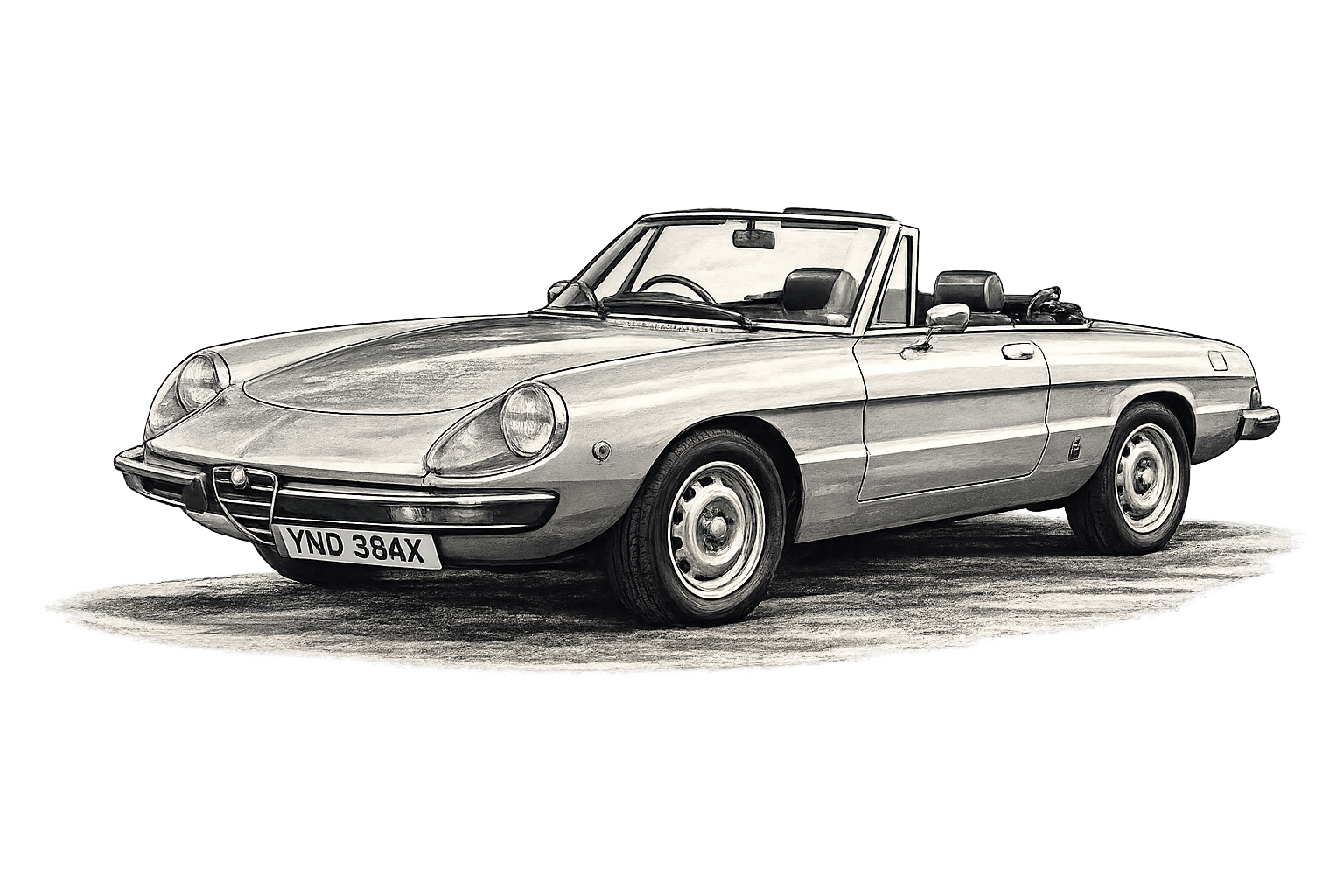
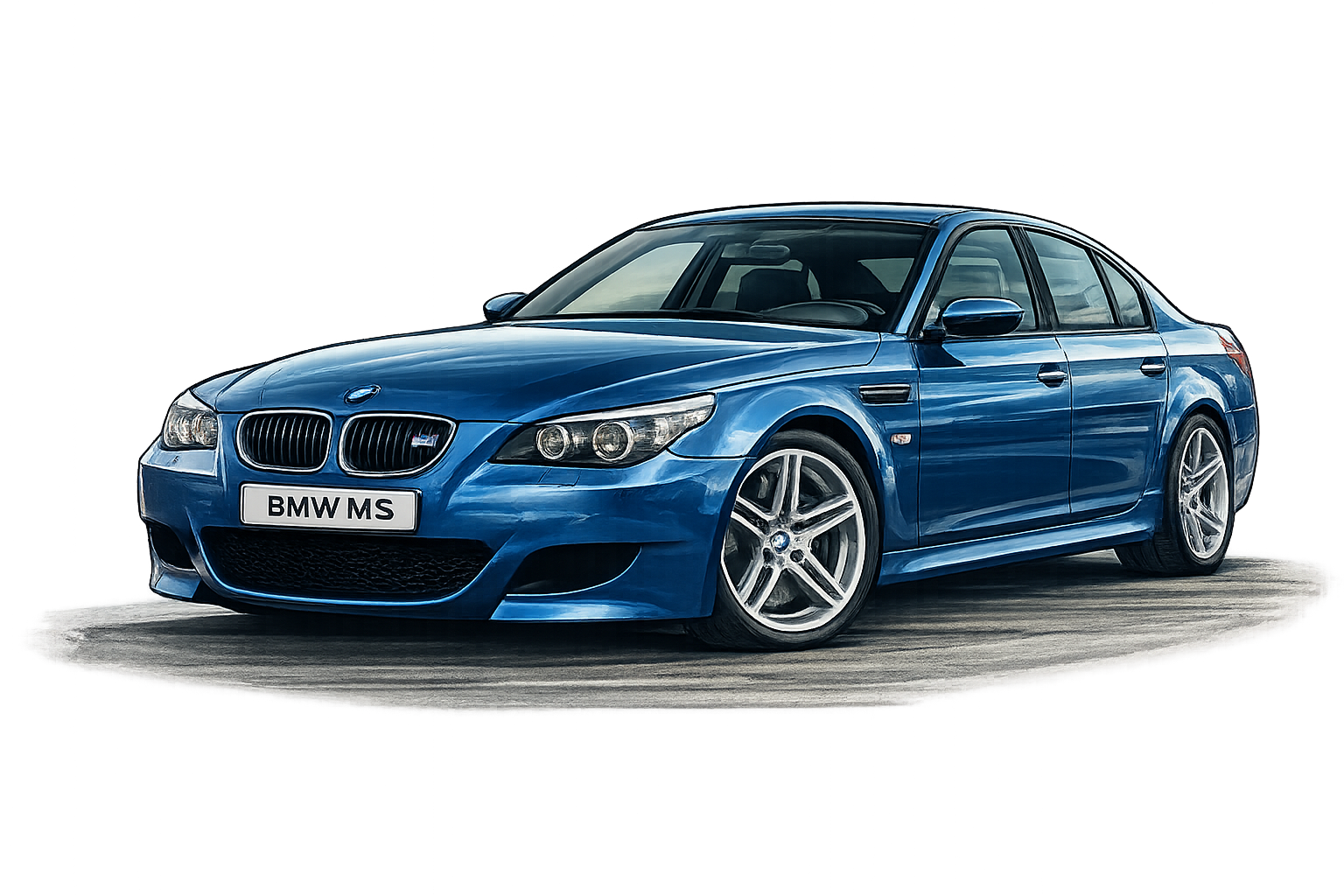
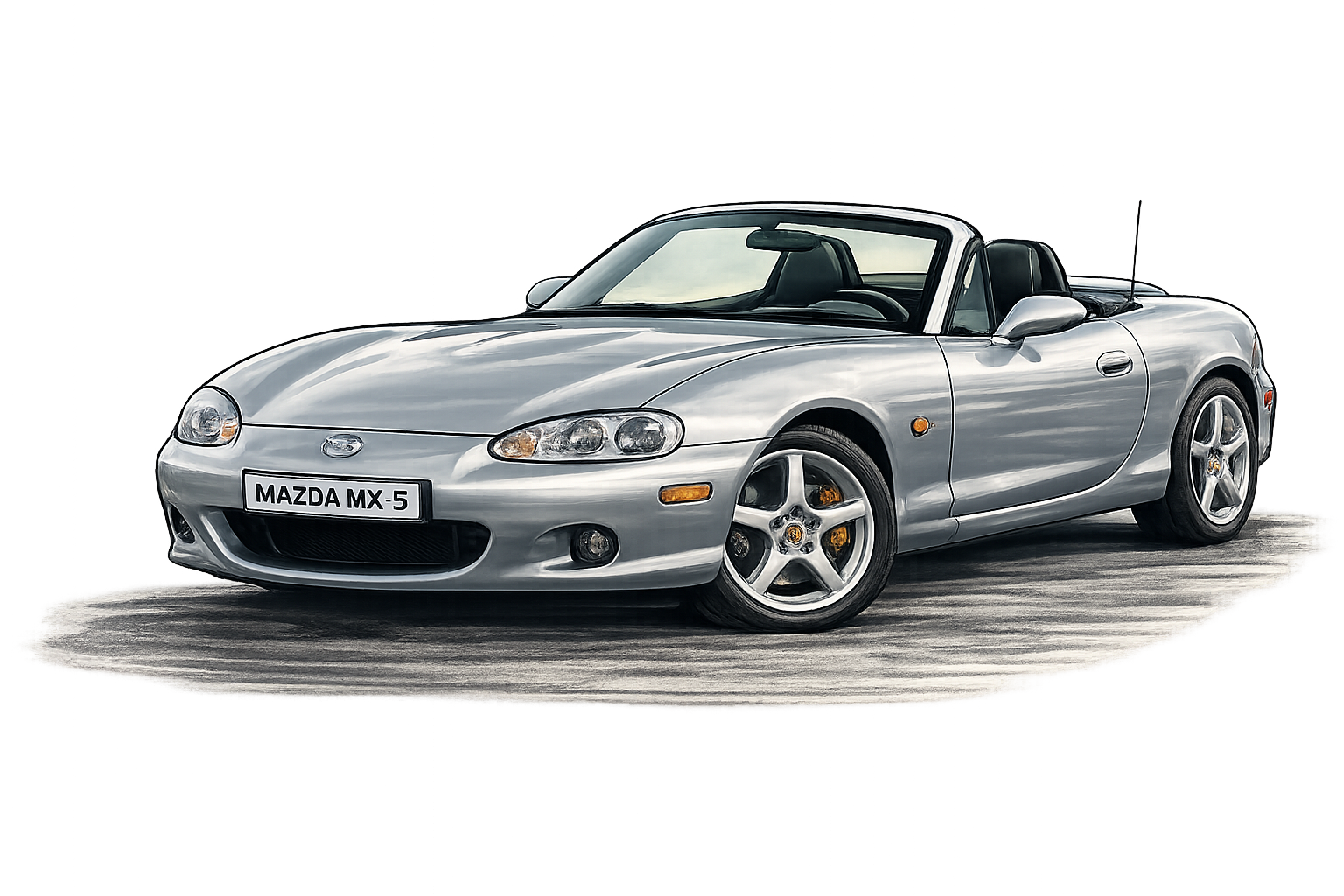
This is where my own shortlist of four comes in, not as a counterpoint to the data, but as a distillation of it. These are cars that sit at the intersection of multiple trends rather than riding a single spike. They appear across different datasets, attract interest from more than one demographic, and crucially, still offer a sense of ownership joy rather than purely speculative appeal. They are cars that people talk about, search for, argue over, and increasingly, act upon. Not because a chart told them to, but because the chart confirmed something they already felt.
Why Desire Still Matters More Than Timing
And yet, even after all of that analysis, after comparing UK and US markets, reviewing long-term ownership behaviour, and weighing up cultural momentum as much as financial performance, there comes a point where honesty demands a pause.
Because no spreadsheet, however well researched, can tell you what happens when you open your garage door on a quiet evening and find yourself standing there longer than you meant to, simply looking. No bull market list can quantify the feeling of choosing the longer route home, or inventing a reason to take the car out when you do not actually need to go anywhere at all. Data can help you buy wisely, but it cannot explain why certain cars lodge themselves in your head for years, quietly waiting for the moment when excuses finally run out.
The truth is that the best classic car is rarely the one that looks perfect on paper. It is the one you have always wanted, the one you promised yourself you would own one day, the one you still check classifieds for even when you claim you are “just browsing”. It is the car that makes sense to you in ways that are not always logical, but are deeply personal. And history shows, time and again, that owners who genuinely love their cars tend to look after them better, maintain them more carefully, keep them longer, and often come out just fine financially anyway. Passion has a habit of protecting value in ways that pure speculation never does.
So What Is This List Actually For?
So what is this list really? It is not a promise of guaranteed returns, and it is certainly not financial advice masquerading as enthusiasm. It is a conversation starter, a framework, a way of understanding what the market is doing while reminding you that you are not obligated to follow it blindly. The charts matter. The trends matter. The data matters. But you matter more.
If 2026 turns out to be a pivotal year for the classic car world, and all signs suggest that it will be, then perhaps the most important takeaway is not which car rises fastest, but which one you will still enjoy owning five or ten years from now. If there is a car you have always wanted, and you can afford it sensibly, and you will actually drive it, then maybe now is the moment to stop waiting for perfect conditions that never quite arrive.
Watch the video. Disagree with me in the comments. Tell me which car you have always wanted and why it is still sitting just out of reach. Because in the end, that is the only list that truly matters.
If you found this useful, interesting or fun, consider supporting me via Patreon, Ko-Fi, or even grabbing a copy of one of my books on Amazon. Every bit helps me keep creating independent automotive content that actually helps people.
Support independent car journalism 🙏🏽☺️ grab my books on Amazon, take up membership to BrownCarGuy on YouTube, or join me on Ko-Fi or Patreon.

👉🏽 Channel membership: https://www.youtube.com/browncarguy/join
👉🏽 Buy me a Coffee! https://ko-fi.com/browncarguy
👉🏽 Patreon – https://www.patreon.com/BrownCarGuy

MY BOOKS ON AMAZON!
📖 Want to become an automotive journalist, content creator, or car influencer? Check out my book: How to be an Automotive Content Creator 👉🏽 https://amzn.eu/d/7VTs0ii
📖 Quantum Races – A collection of my best automotive sci-fi short stories! 👉🏽 https://amzn.eu/d/0Y93s9g
📖 The ULEZ Files – Debut novel – all-action thriller! 👉🏽 https://amzn.eu/d/d1GXZkO
Discover more from Brown Car Guy
Subscribe to get the latest posts sent to your email.
