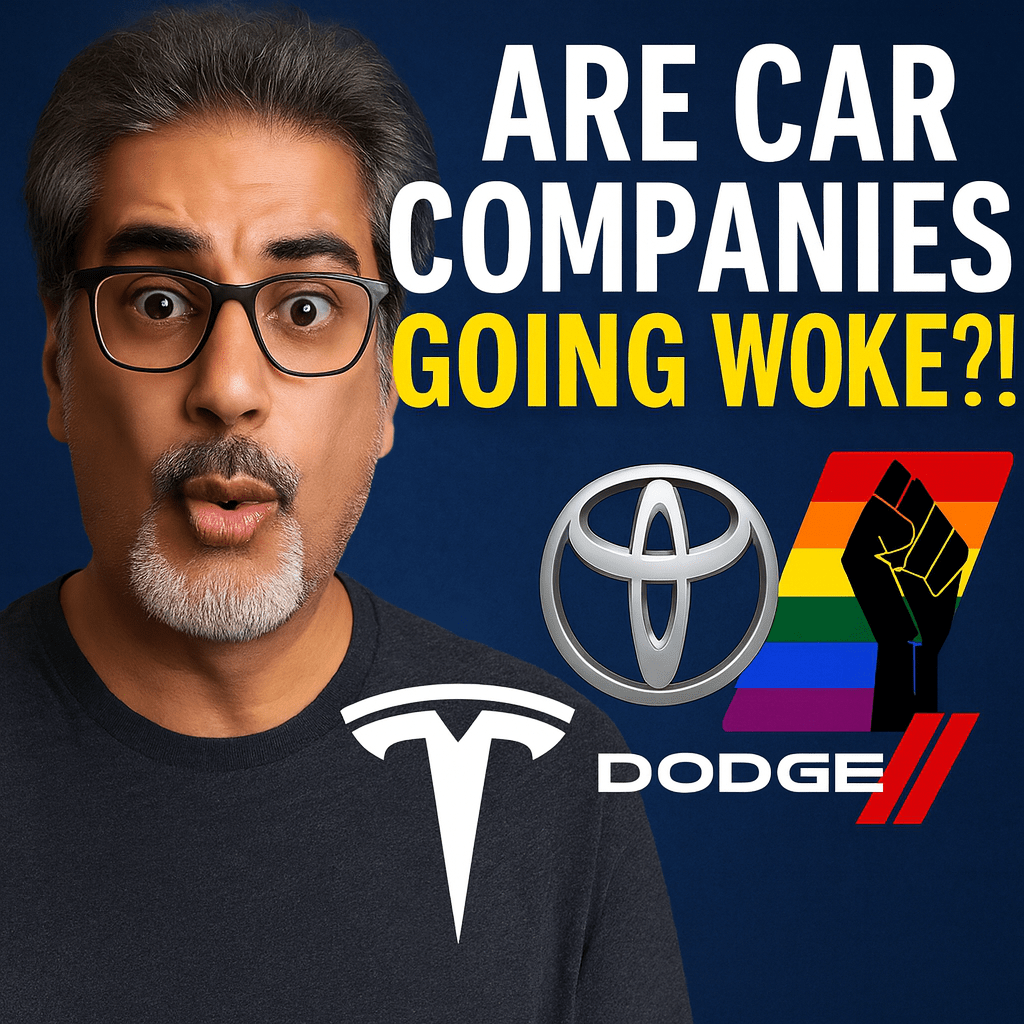
From rainbow-draped showrooms to politically-charged ad campaigns, the car world isn’t just about performance and price anymore. Are car companies really going “woke”? Or just trying to survive in a world where identity drives everything?
Once upon a time, all you had to ask was: “How many cylinders has it got?” Now? You need to ask if your new car aligns with your values, supports environmental justice, and – heaven forbid – won’t get you cancelled on your Facebook feed. Welcome to motoring in 2025. Forget horsepower. This is about identity politics. And the car world is tearing itself apart trying to figure out where it stands.
Woke to Economic Realities
Let’s be clear: the new car buyer isn’t who they used to be. A growing chunk of Gen Z and younger millennials are demanding more than metal and marketing fluff. They want brands that stand for something – be it sustainability, ethics, inclusivity, or political integrity. They’re not just buying cars; they’re buying belief systems on wheels.
According to consumer behaviour experts, for younger buyers, identity and purchase are inextricably linked. They don’t just want what a product does – they want what it says about them. And that’s seismic for an industry built on speed, style, and status. A 2020 Forrester study revealed that 60% of U.S. consumers overall, and a staggering 78% of those aged 18 to 34, believe that brands should take a stand on racial justice and broader societal matters.
That’s not just a trend – that’s a generational shift in expectations. And this matters to manufacturers trying to keep going in an uncertain market. After all Gen Z already wields over £300 billion globally in direct spending, and influence billions more through family purchases. Millennials? Add another £1.4 trillion globally.
Performance vs Politics
So what does this look like in practice? It looks like showrooms drenched in rainbow hues. Ads filled with models that look like they came straight out of a fashion editorial – and proudly so. It looks like automakers declaring their stance on geopolitical conflicts, race, gender, climate, labour rights, and even democracy.
It looks like Jaguar’s surreal “Copy Nothing” campaign. Pink cars in pink deserts. Hyper-diverse cast. Cryptic slogans. Luxury reimagined through the lens of modern identity politics. It’s radical. It’s risky. And it’s got plenty of long-time fans muttering: “What the hell happened to just making cool cars?”
Well it’s demand-led to an extent. 86% of people expect CEOs to speak out on societal issues, including pandemic impact, job automation, and injustice. 68% said they expect brands to act before governments do – effectively turning big companies into social and moral actors.
A 2018 Sprout Social poll revealed that nearly two-thirds of consumers – across age groups – wanted brands to publicly engage with social and political topics. More importantly, half of them said they’d actually switch brands if they disagreed with a company’s values or silence on an issue they cared about.
That’s quite a reversal from the “just make good the product” era.
The Branding Tug of War
So not everyone’s applauding. There’s a growing resistance from drivers who feel alienated, even mocked, by the new brand tone. They see it as preachy, inauthentic, or just plain unnecessary. They don’t get it.
This isn’t just a Twitter argument either. There’s real-world brand damage at risk. When you alienate the faithful to win favour with the fashionable, you’re gambling your legacy on the hope that the new crowd sticks around.
On the other hand, some car companies, like Dodge, are digging in. Majoring on machismo, doubling down on traditional values. Loud V8s. Burnouts. No apologies. Anti-PC attitude baked into the brand. And guess what? Their base loves them even more for it. Because while others are tightening carbon footprints, Dodge is burning rubber.
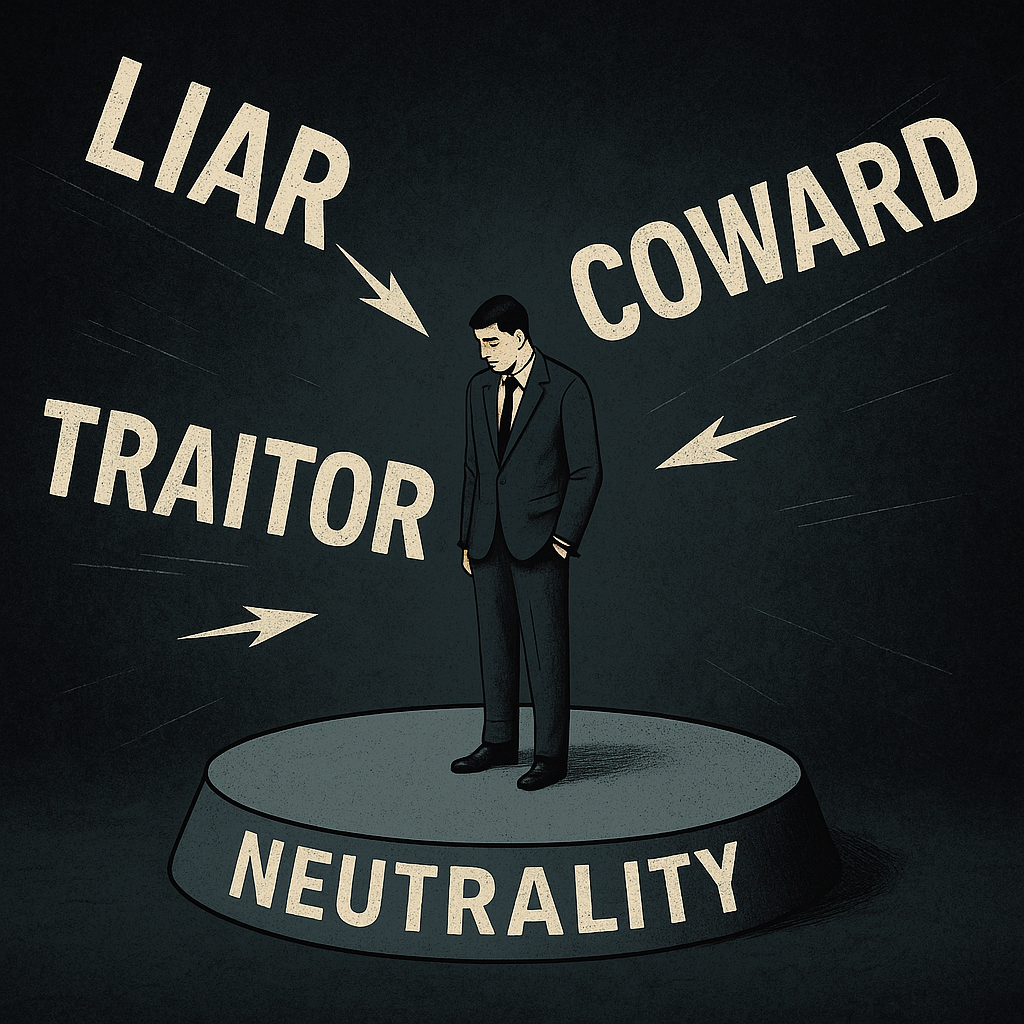
It seems these brands are right to take a firm stance. Stay silent, and you risk looking indifferent, tone-deaf, or complicit. In the current climate, neutrality is no longer a safe space – it’s a liability. So what’s a car brand to do? The only real option left is to stand for something – and mean it. Because half-hearted activism? Consumers sniff that out instantly.
This is where authenticity becomes your best protection… or your biggest vulnerability. As Jaguar and Tesla have found, you risk backlash from part of your base if you don’t align with their expectations from a brand they’ve financially and emotionally invested in. Owning and cherishing a car does that to drivers. It’s a tightrope walk.

Between 2022 and 2024, U.S. car buyers who said they’d never consider a Tesla jumped from 39% to 63%, according to YouGov. And the share who’d definitely consider one? Collapsed from 22% to just 8%. Why? I’ll leave you to put two and two together.
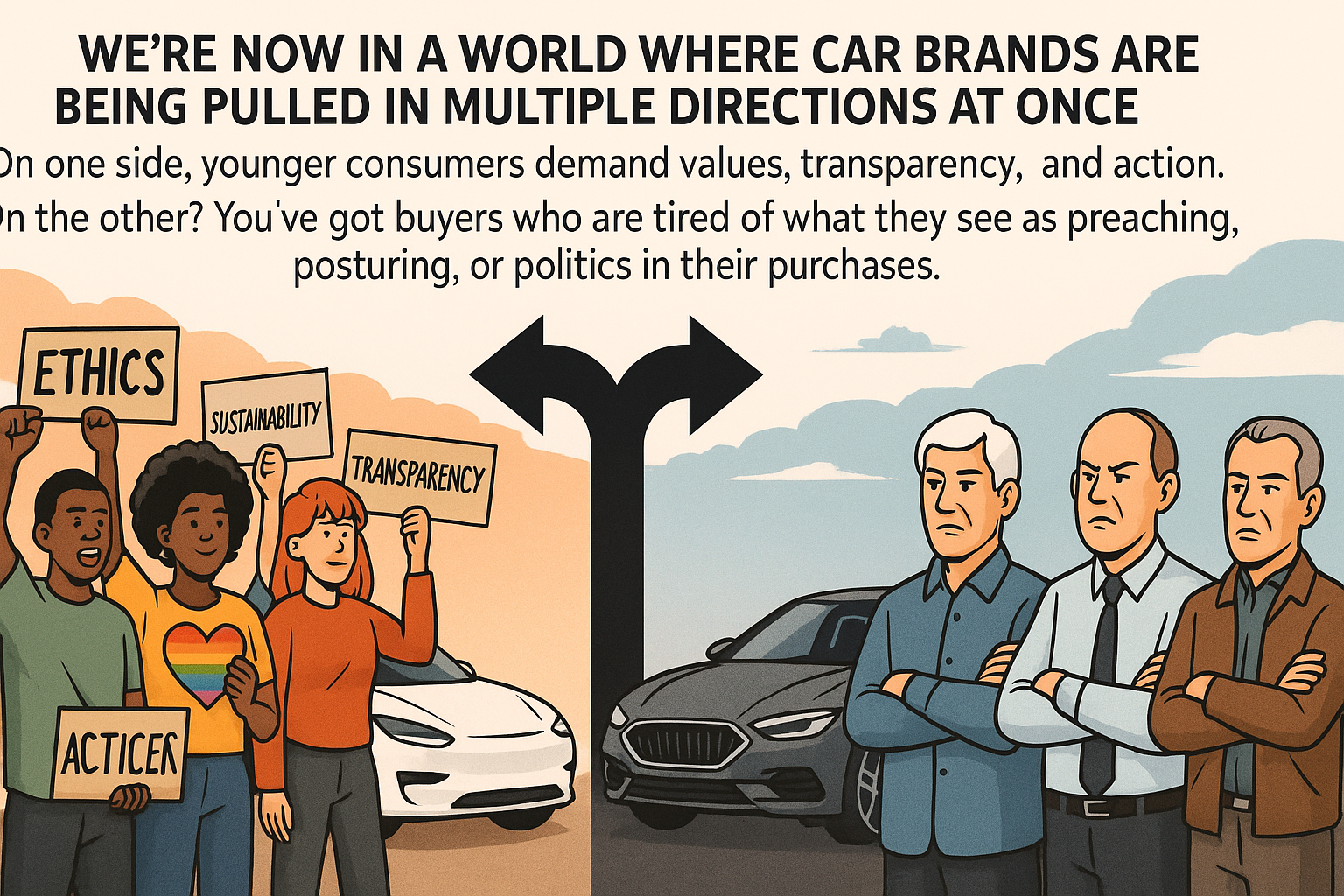
Car brands today are being yanked in two directions at once:
- On one side: younger buyers demanding ethical clarity, diverse representation, and climate accountability.
- On the other: traditional buyers who are sick of brands ‘getting political’ and just want a no-nonsense driving machine.
The result? A kind of branding whiplash. Some try to be everything to everyone. Others end up being nothing to anyone.
So, Are Car Companies Going Woke?
Let’s set the record straight. What *is* “woke,” really? Originally, it was African American slang for staying aware of racial injustice. Noble roots, no doubt. But over time – especially in politicised Western media – it’s been twisted into a culture war buzzword. The Collins Dictionary defined “woke” as: “aware of social and political issues, especially racism and inequality.” Frankly that’s got to be a good thing in today’s dangerously polarised world.
But the political tug-of-war has weaponised the word. Now in many circles, “woke” gets thrown around like it means “too politically correct” or “virtue-signalling nonsense.”
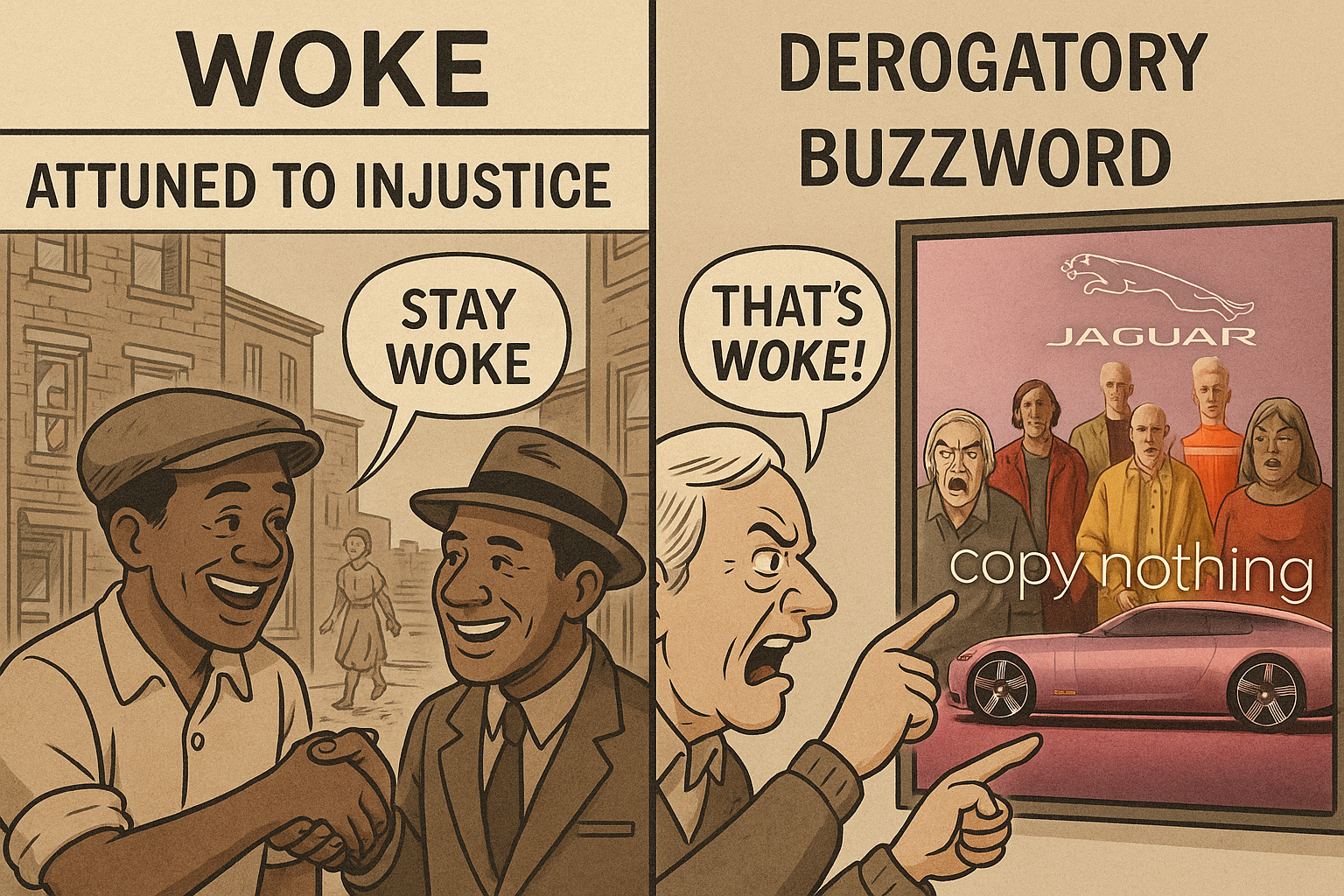
You could argue that yes, some car companies are going “woke” – they may feel they have to, but it may also be that they were always “woke”. Indeed let’s just drop that word for a moment altogether – to save it from futher serious misuse and return to what this is really all about for car companies something much older and deeper in the world of motoring – brand identity.
Who does this brand think its audience is? Who do they want you to be? And more importantly… who do you think you are when you drive their car? Because in a market where almost every car on sale is technically competent, reliable, and safe – it’s the emotional connection that tips the scale.

The average UK buyer in 2025 can walk into a showroom and pick from a dozen solid hatchbacks or crossovers that do 0–62 in under 7 seconds, have 5-star safety ratings, Apple CarPlay, and clever regen braking. Mechanically and practically? There’s parity across the board. So what makes the difference? It’s the badge. The narrative. The feeling of belonging to something more than a spec sheet. It’s what marketing guru Simon Sinek calls “the why.”
You’re not just buying a car. You’re buying into a story. Joining a tribe.
According to a McKinsey survey, 64% of car buyers say that brand image and values alignment now directly influence their choice – not just model features. A 2023 Deloitte report noted that Gen Z consumers are significantly more likely than older generations, like Baby Boomers, to switch brands based on their perception of a brand’s ethical values. And across all demographics, loyalty to “brand purpose” has now overtaken loyalty to dealership experience or even warranty length in some segments.
In other words: People don’t just want performance. They want personality – or at least, the illusion of it.

What This Means for You, the Car Buyer
Next time you’re in a dealership or scrolling Autotrader, the car you’re eyeing might not just be a car. It might be a signal.
Because in 2025, your car doesn’t just take you places. It places you – in a tribe, in a culture, in a conversation. It’s no longer enough to assess whether a car’s praticality, price and purpose meets your needs and requirements. Now you have to ask yourself:
✅ Does this brand align with my values?
✅ Do I believe what they’re selling – beyond the car?
✅ And most of all – does this machine represent who I am… or who I want to be?
Perhaps this should now be part of car reviews? Still there’s plenty of choice out there, so don’t despair!
Have you noticed a shift in your favourite car brand’s image? Are you turned off – or turned on – by these changes? Drop a comment below or tag me on social – let’s talk brand identity in the age of the ‘woke car’!
If you found this useful, interesting or fun, consider supporting me via Patreon, Ko-Fi, or even grabbing a copy of one of my books on Amazon. Every bit helps me keep creating independent automotive content that actually helps people.
Support independent car journalism 🙏🏽☺️ grab my books on Amazon, take up membership to BrownCarGuy on YouTube, or join me on Ko-Fi or Patreon.

👉🏽 Channel membership: https://www.youtube.com/browncarguy/join
👉🏽 Buy me a Coffee! https://ko-fi.com/browncarguy
👉🏽 Patreon – https://www.patreon.com/BrownCarGuy

MY BOOKS ON AMAZON!
📖 Want to become an automotive journalist, content creator, or car influencer? Check out my book: How to be an Automotive Content Creator 👉🏽 https://amzn.eu/d/7VTs0ii
📖 Quantum Races – A collection of my best automotive sci-fi short stories! 👉🏽 https://amzn.eu/d/0Y93s9g
📖 The ULEZ Files – Debut novel – all-action thriller! 👉🏽 https://amzn.eu/d/d1GXZkO
Discover more from Brown Car Guy
Subscribe to get the latest posts sent to your email.
