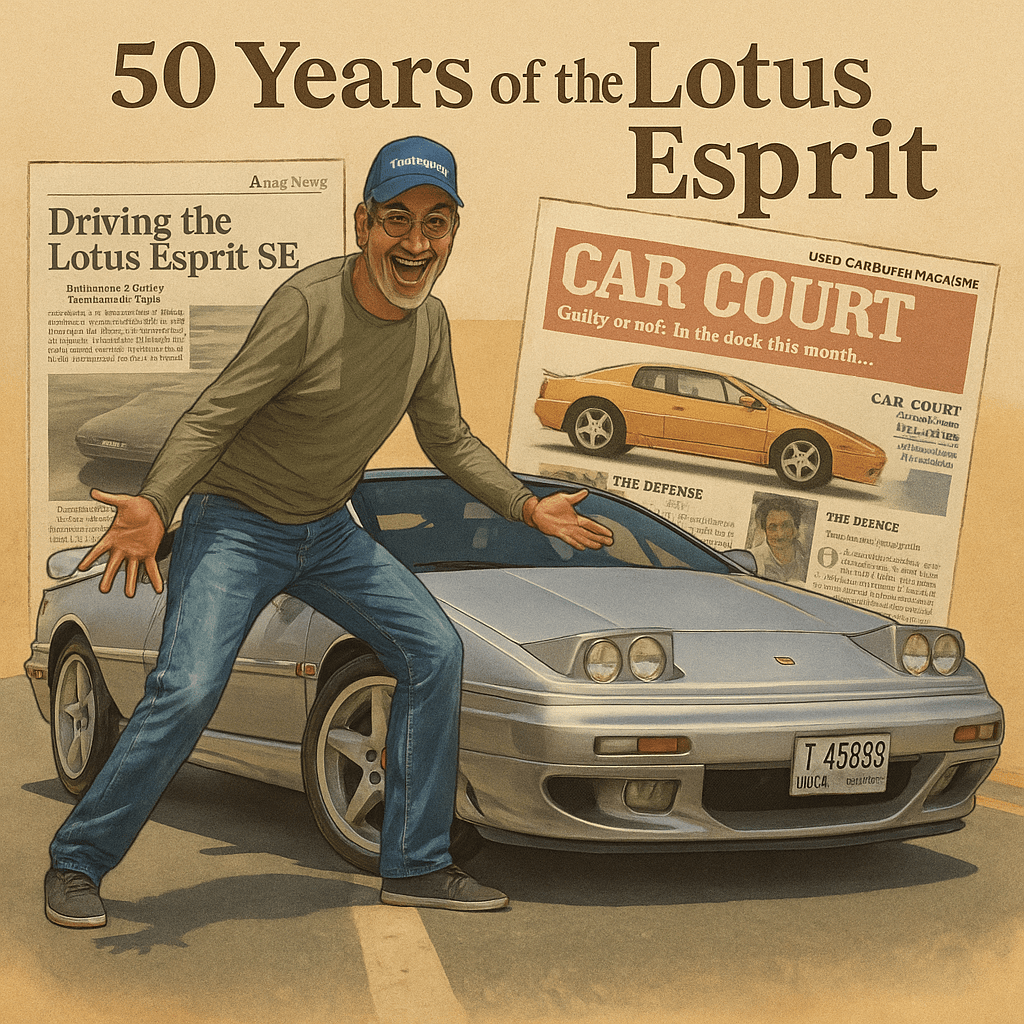
Ode to an Icon: My Lifelong Love Affair with the Lotus Esprit
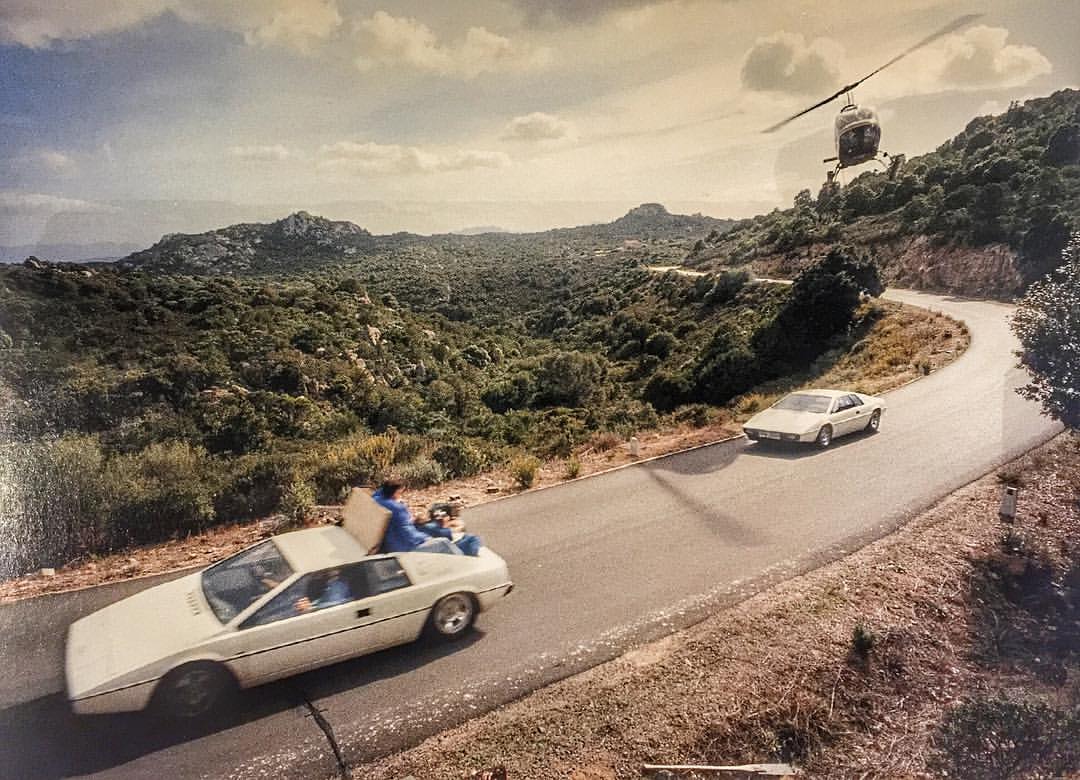
It started with a dive. Yes… I said “dive”, not “drive”. Actually, I don’t do water. So my answer to Roger Moore would have been “no” when he turned to his passenger in the 1977 Bond movie, The Spy Who Loved Me, and asked, “Can you swim?”. Of course, his actual passenger was a lot prettier.
I am obviously referring to that epochal moment when 007 truly went full sci-fi, as a sleek, low, wedge-shaped car sliced under a helicopter, zipped off a pier, dove into the ocean and transformed into a submarine. That white Lotus Esprit had me at “Look what Q’s brought for us, isn’t it nice?” – it was love at first sight, and I’ve been obsessed with it ever since.

2025 celebrates 50 years of the Lotus Esprit, half a flipping century of a car that still looks like it’s slipped in through a wormhole from the future. Even today it is jaw-dropping, gob-smacking, eye-blinking and drool-inducing to behold. Imagine, just try to comprehend, what the world would have made of this extraordinary, exotic machine, when it first landed on the Lotus show stand at the Paris Motor Show in 1975!
Emotionally Compromised – I Nearly Stole One!
I’d be lying if I said I wasn’t emotionally compromised as I write this. After all, it’s my all-time favourite car. I’ve spoken and written about it often, to the point of boring the inlet valves off anyone in earshot.
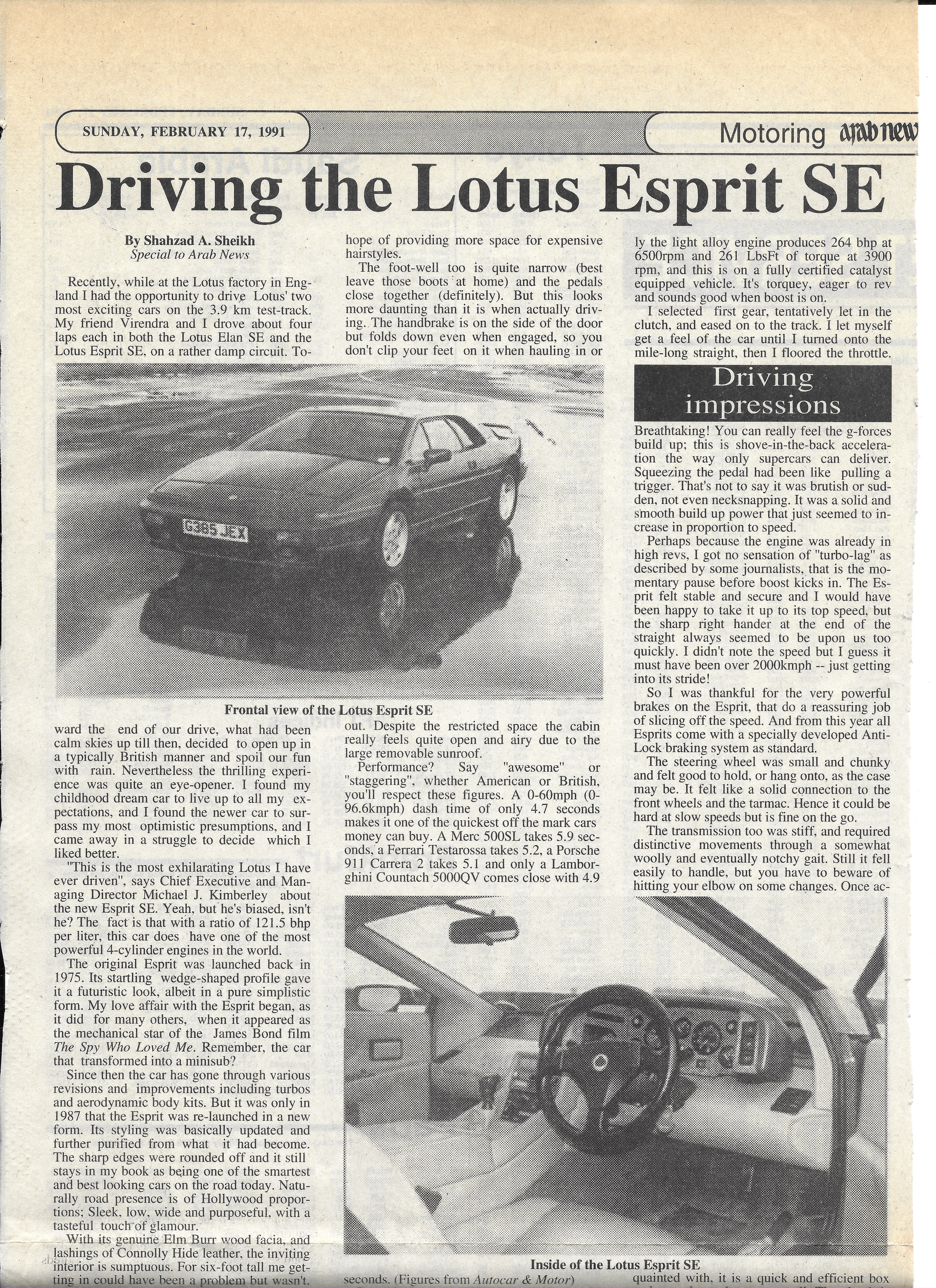
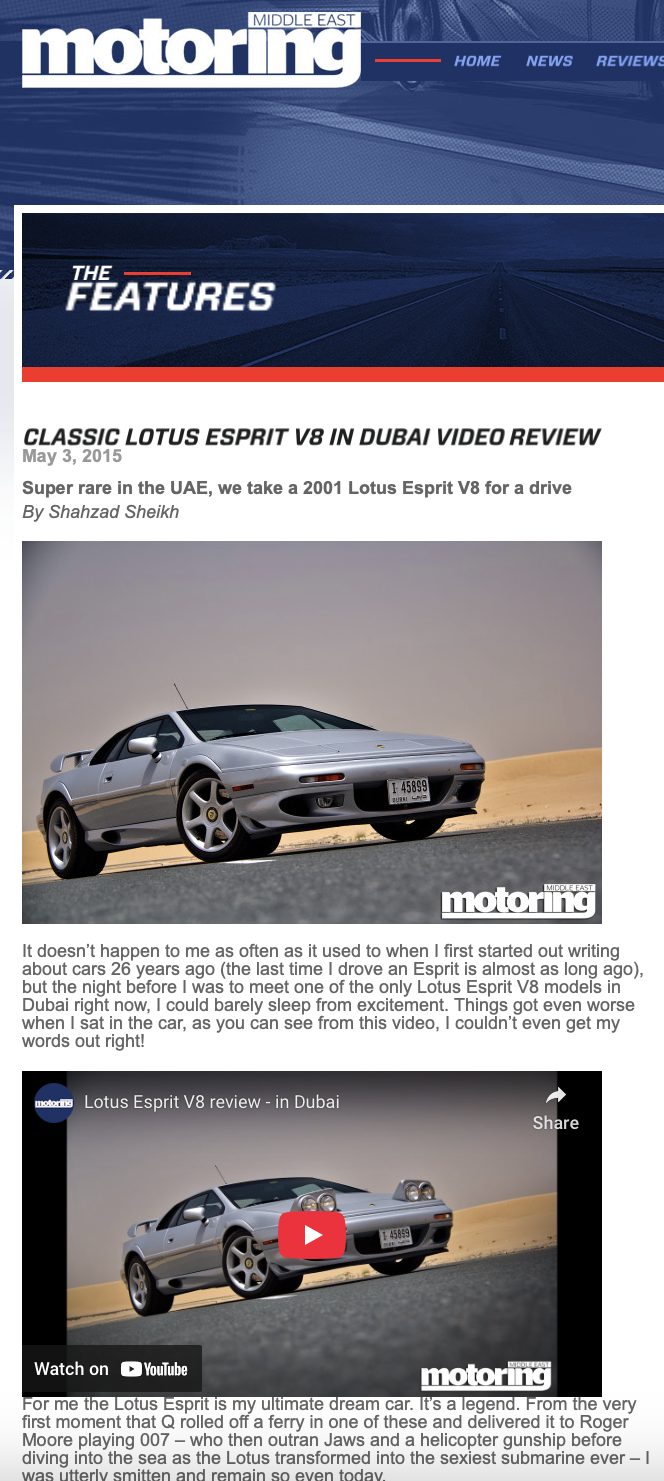
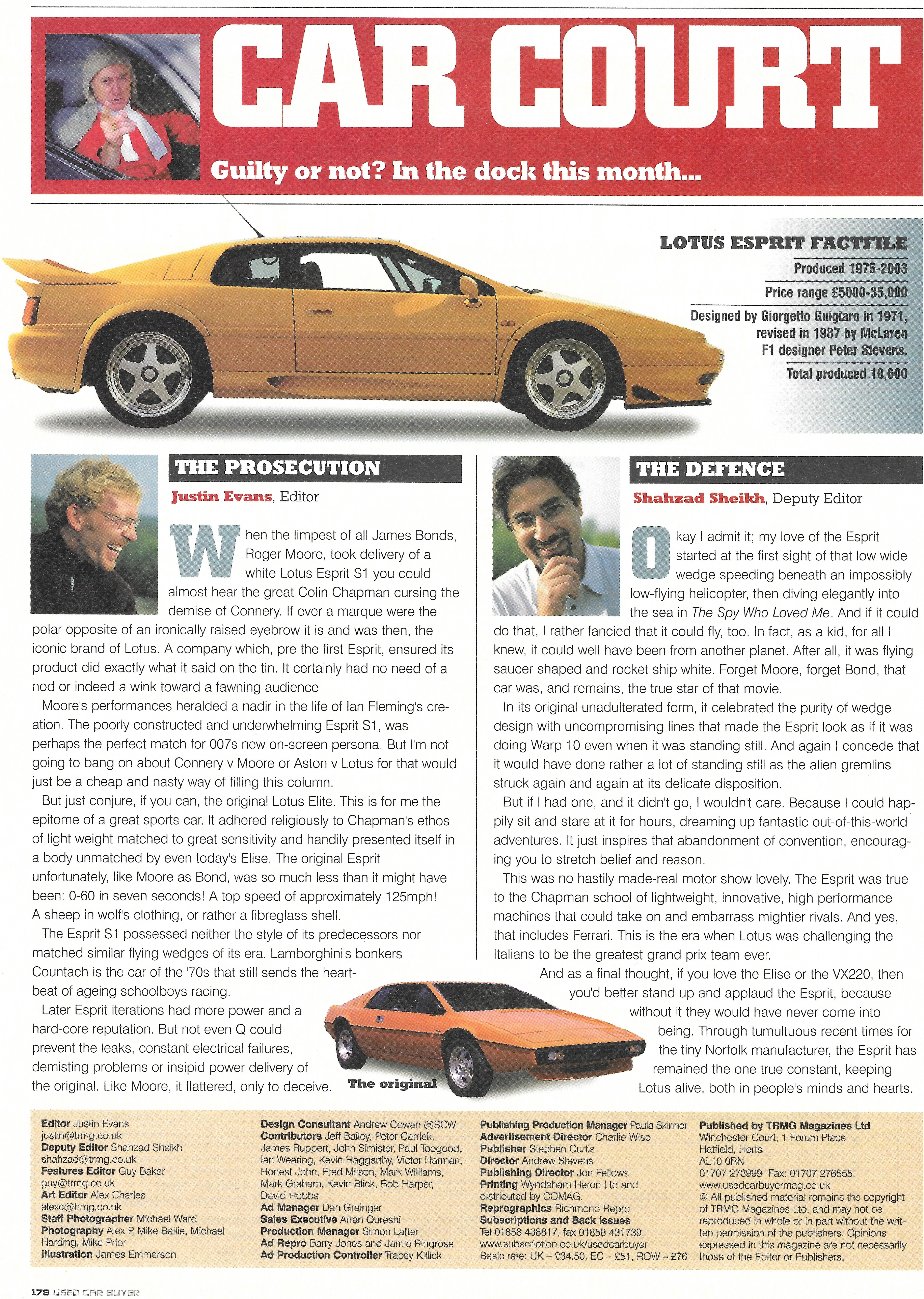
I remember three articles in particular: my over-awed first drive of an Esprit at the Lotus factory way back in 1991 for Arab News newspaper (34-years ago!); that time I defended it (and won!) in Car Court for Used Car Buyer magazine; and more recently about 10 years ago when I over-excitedly reviewed a sensational 2001 V8 version in Dubai for Motoring Middle East.
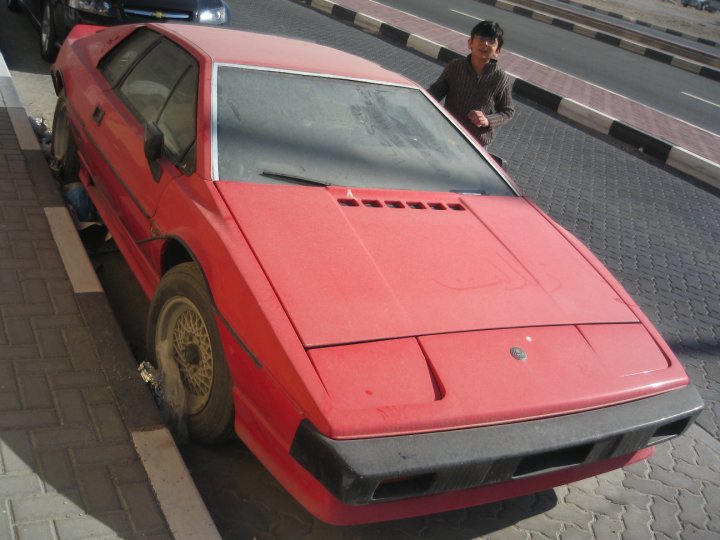
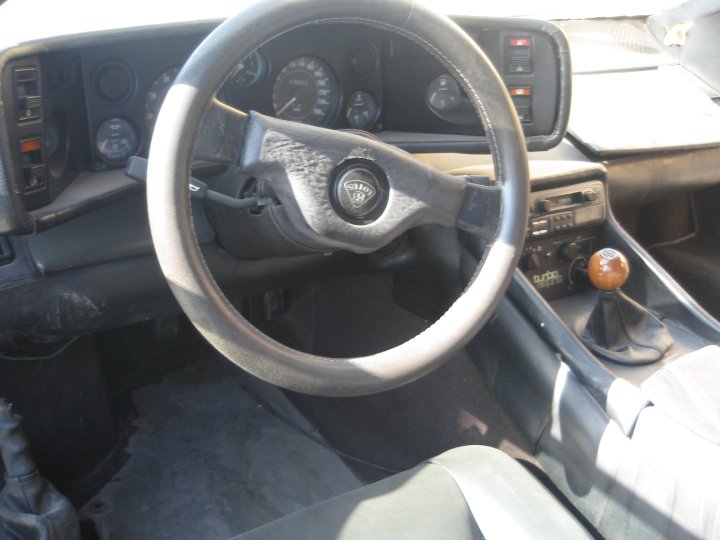
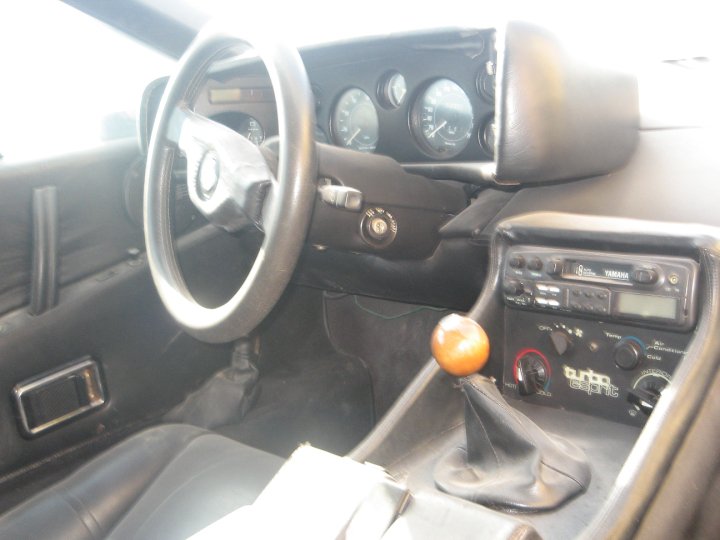
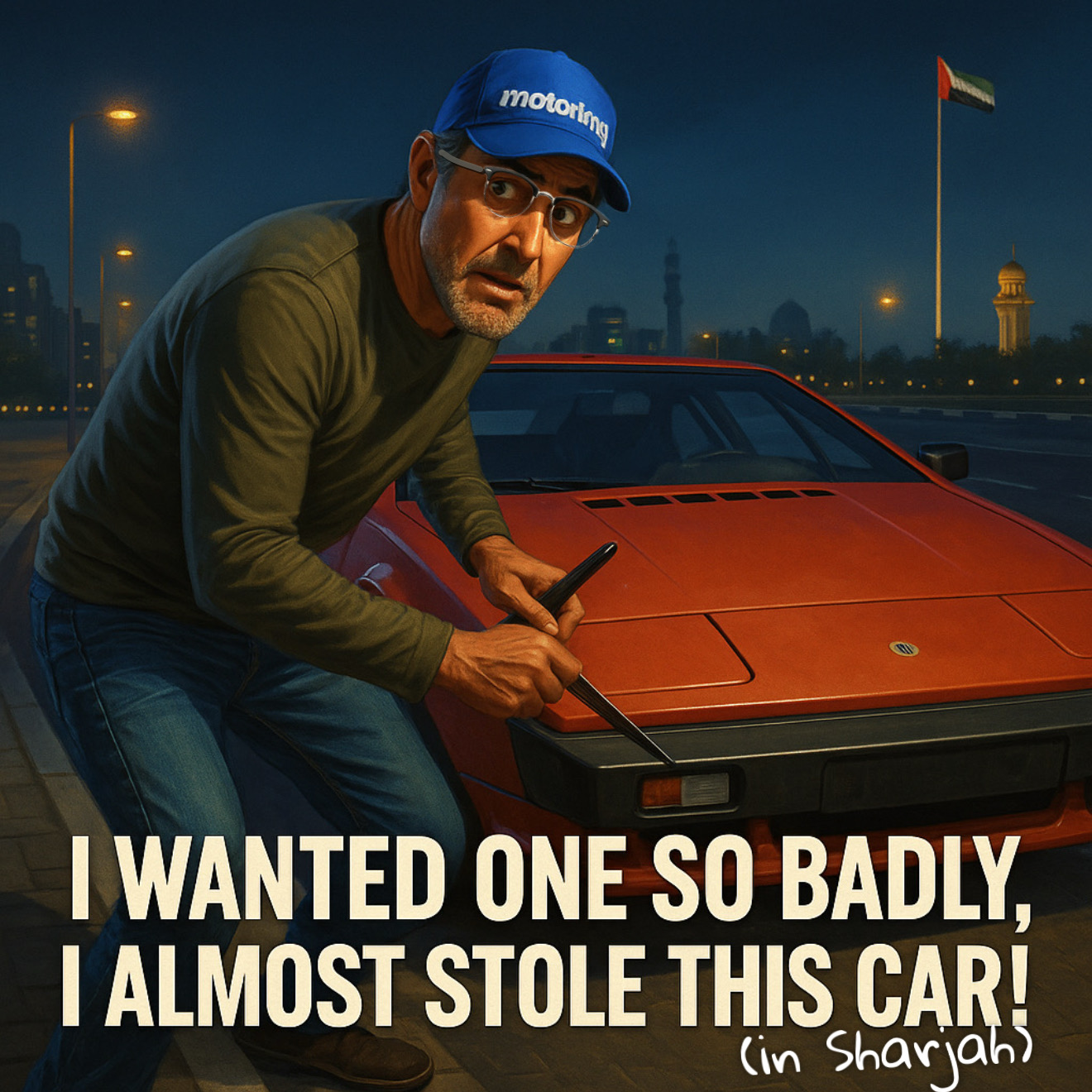
And there was that time I nearly stole one! I once discovered an apparently abandoned 1984 red Lotus Esprit Turbo, dumped in Sharjah. The bodywork and interior were dirty but straight and intact. The engine was in pieces. Over several days, I tried in vain to source the ownership, without which, ownership cannot be transferred in the United Arab Emirates.
At one point, I was very tempted to hire a recovery truck and lift it to my place, regardless (if nothing else, I’d clean it up and be able to look at it every day!).
Eventually, it was impounded by the local police. A few years later, it turned up at a garage in Ras Al Khaimah, where it had been butchered as someone was trying to install an old Nissan Patrol straight six into it. I was gutted. Even that attempt was abandoned, and another few years after that an expat had obtained it and was planning to embark on a restoration project. I’ve since lost track of it, sadly.

http://www.lotusespritworld.com/EOtherstuff/UAE_Esprit.html
50th Anniv Celebratory Events
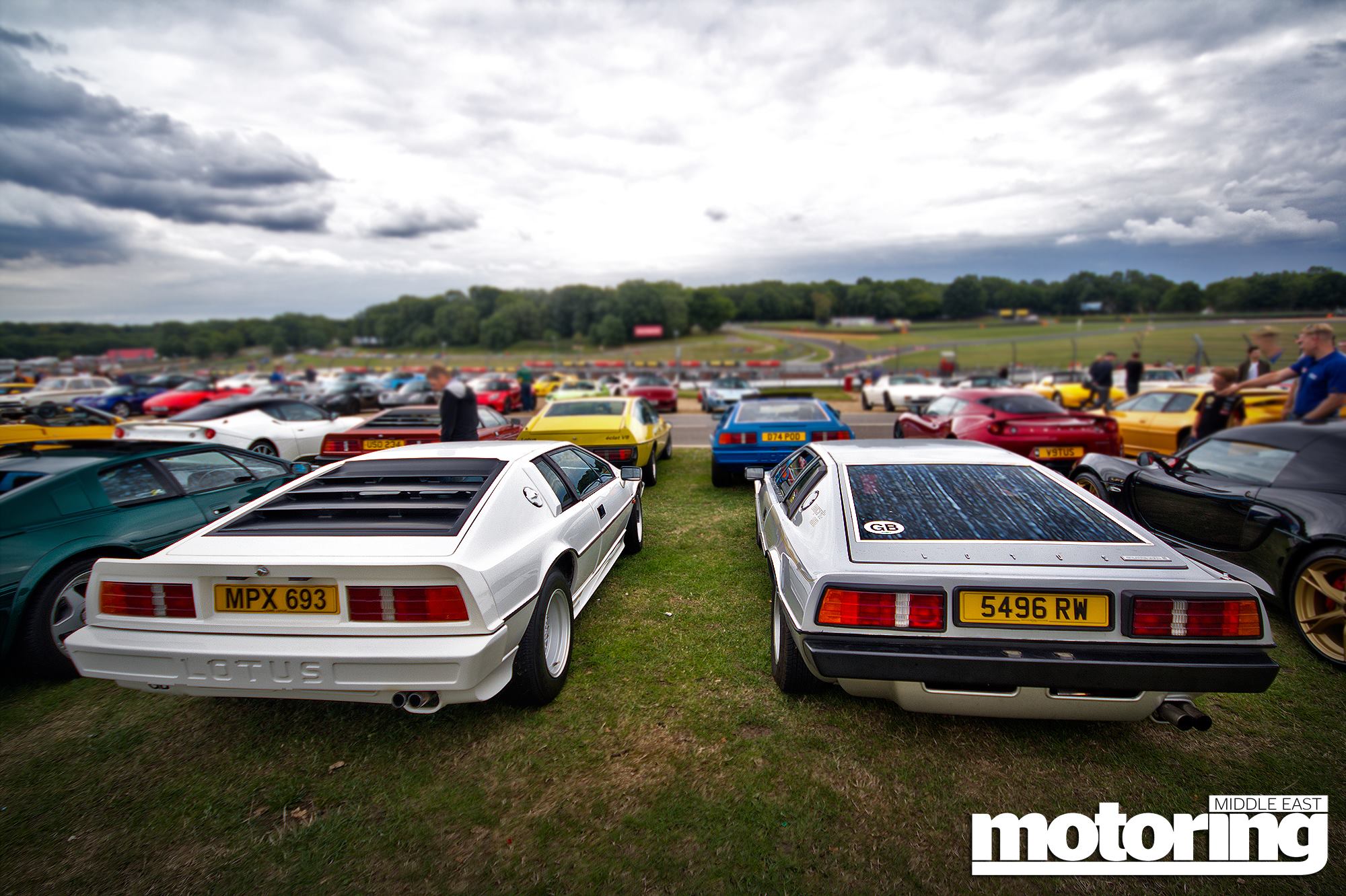
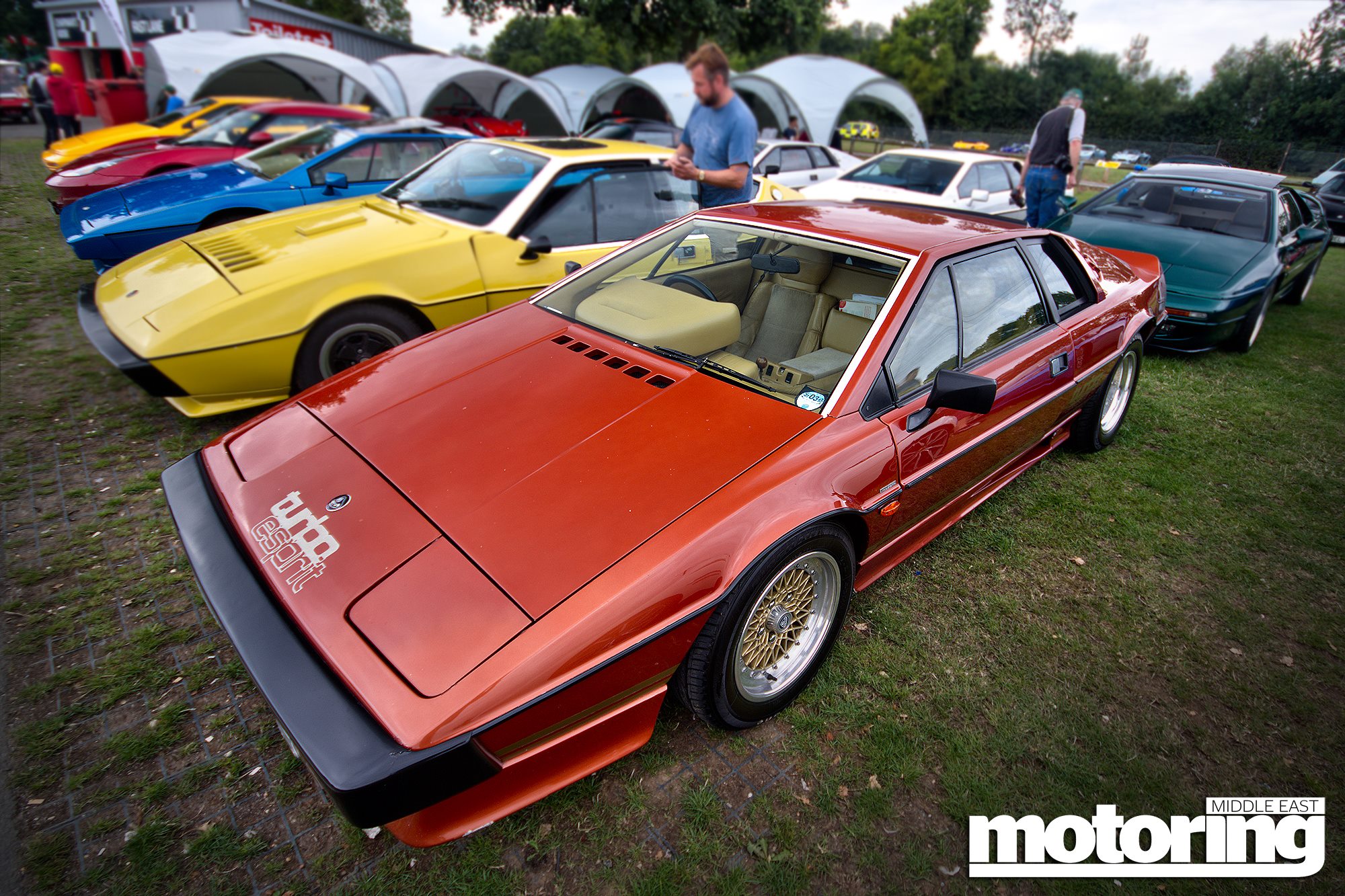
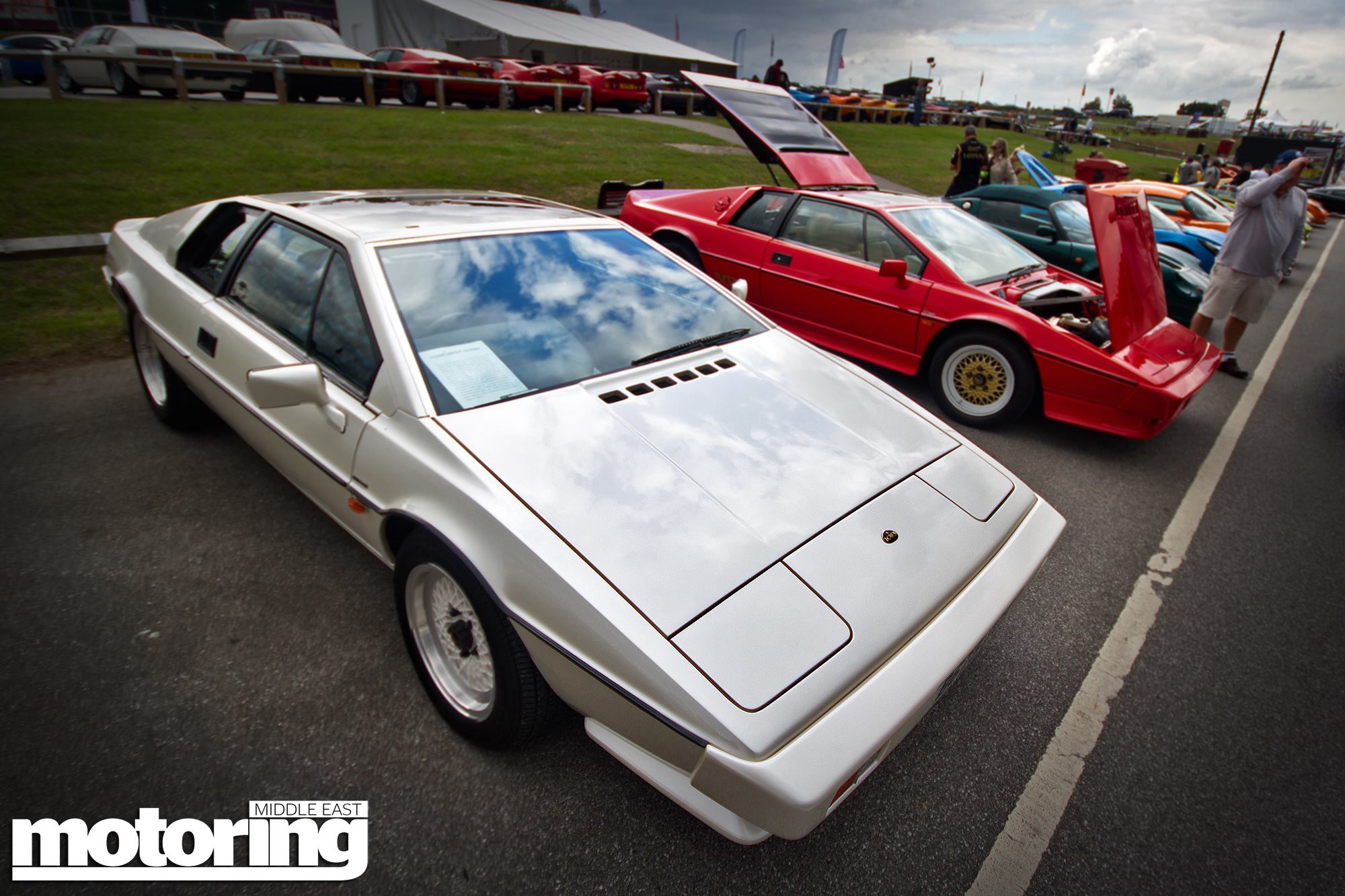
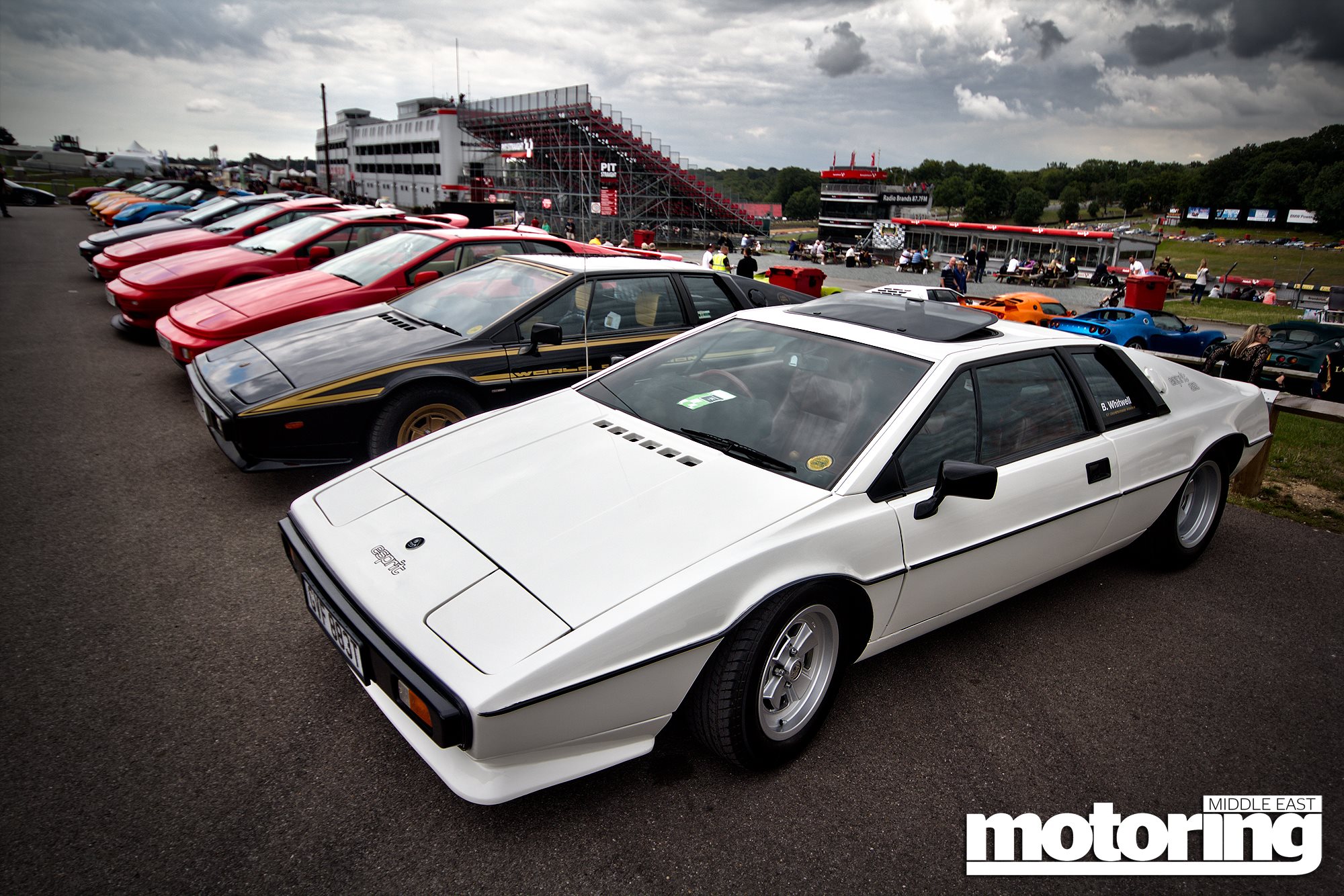
Back to the 50th anniversary, and here in the UK, there have been celebratory events across the land to mark this important moment in supercar history. Sadly, I have not been to any of them thus far, because I don’t own one. And somehow it seems a little painful not to be able to share that experience with other Lotus fans. That remains the ultimate dream.
Nonetheless, I do plan to visit the Concours of Elegance at Hampton Court (love this event!) on Saturday, 6th September, when a carefully curated selection of very special Esprits will be soaking up the glory. https://concoursofelegance.co.uk/lotus-esprit-at-50-a-british-icon-celebrated-at-concours-of-elegance/
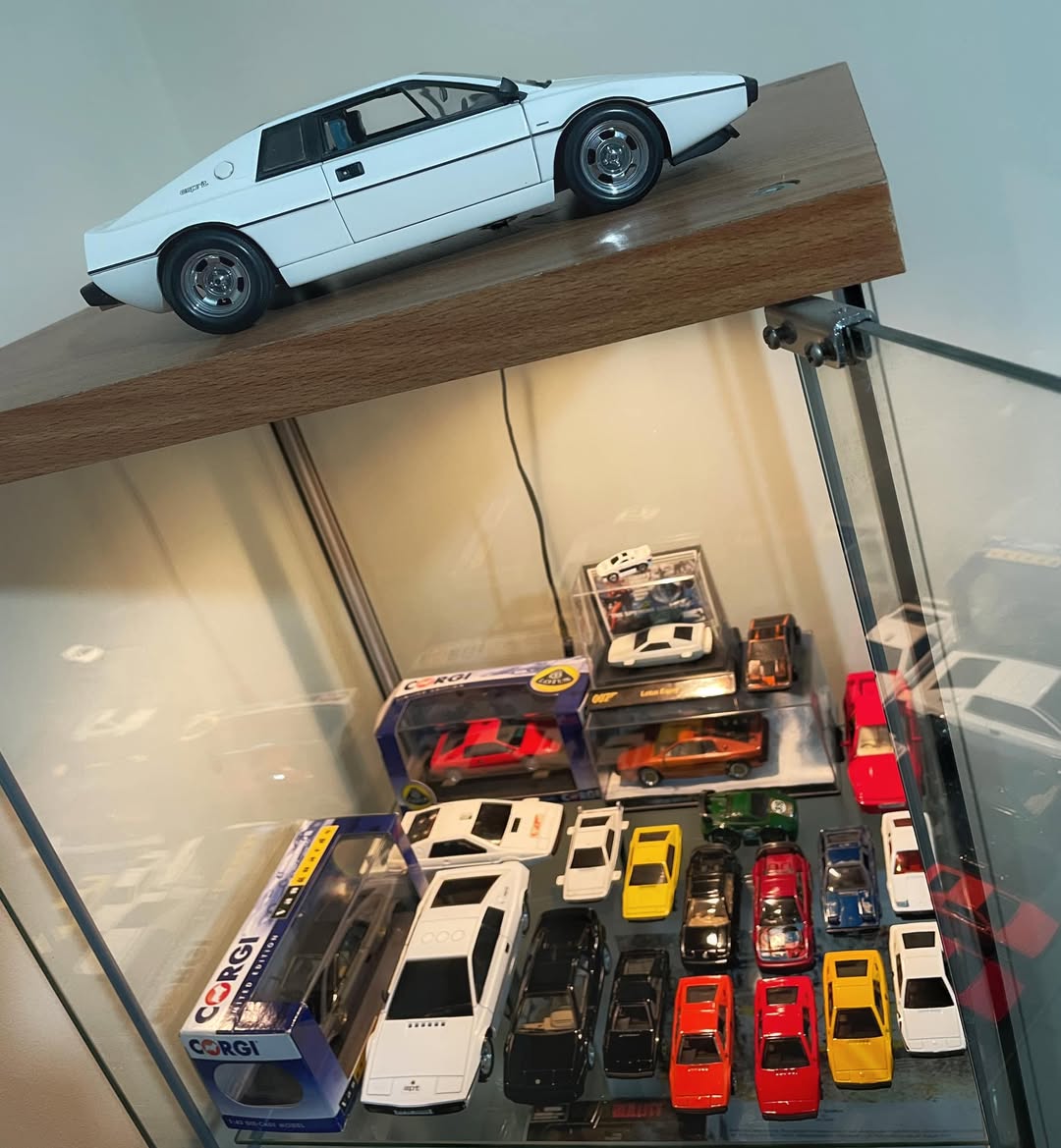
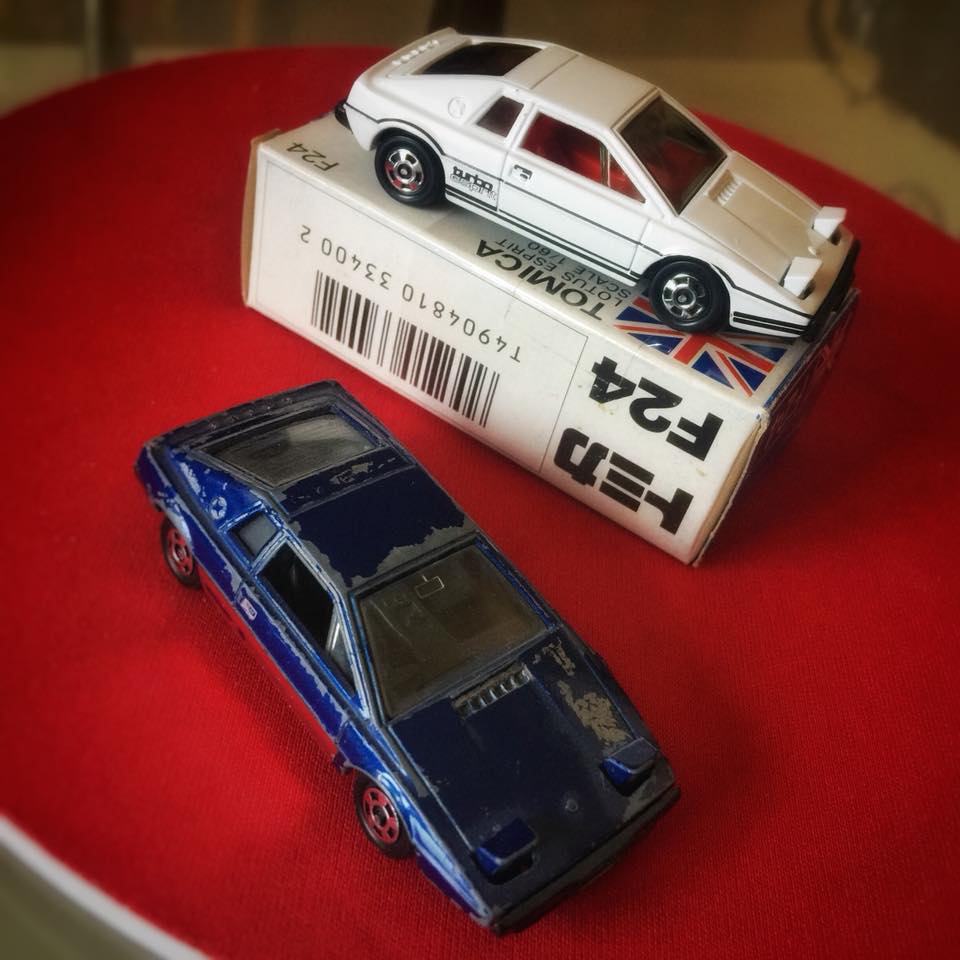
Meanwhile, I reconcile myself with a dedicated shelf at home full of Esprit models, including the AutoArt 1:18 white Bond Esprit on top of the cabinet you’ll see in the background of some of my YouTube vids.
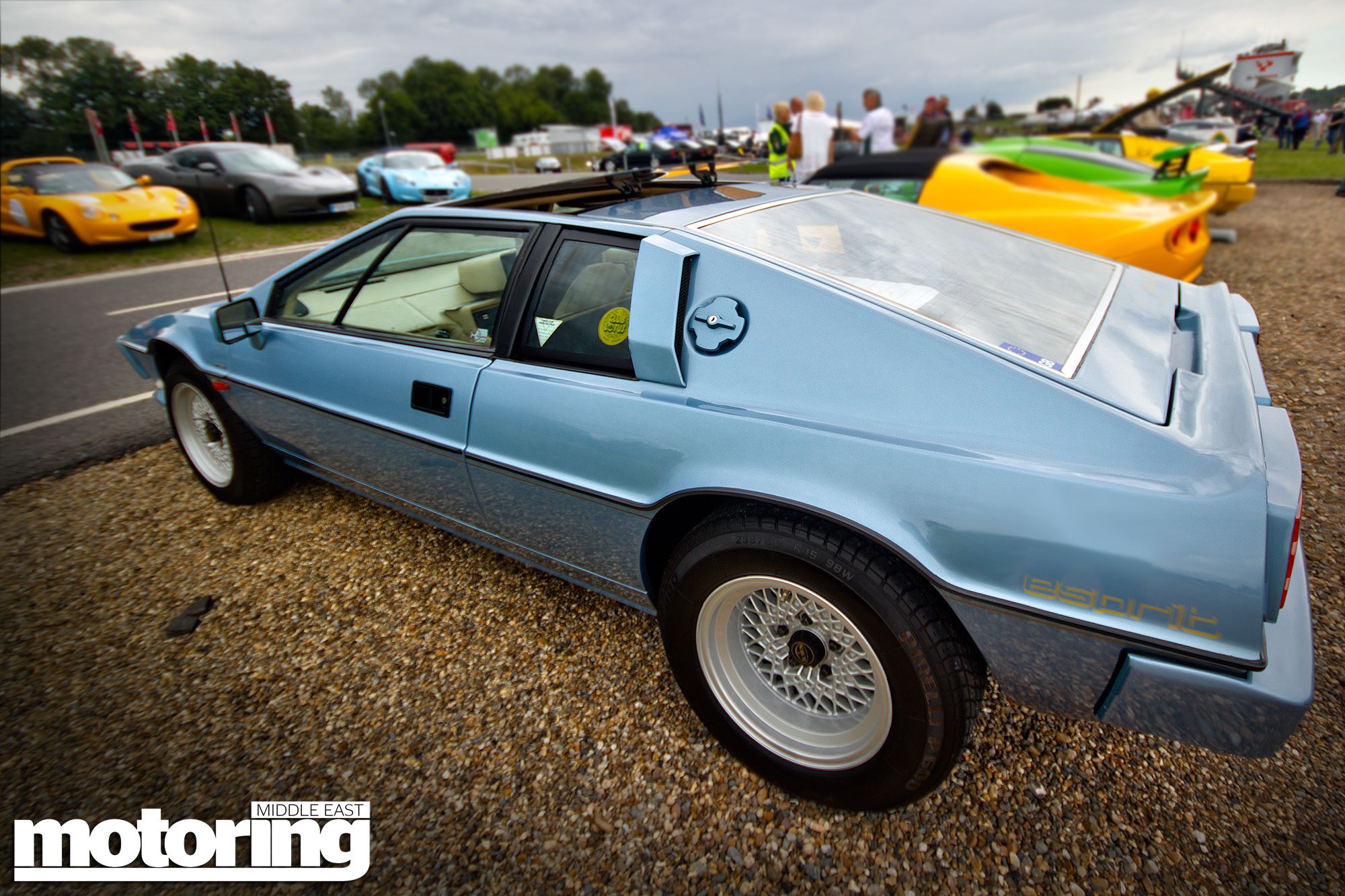
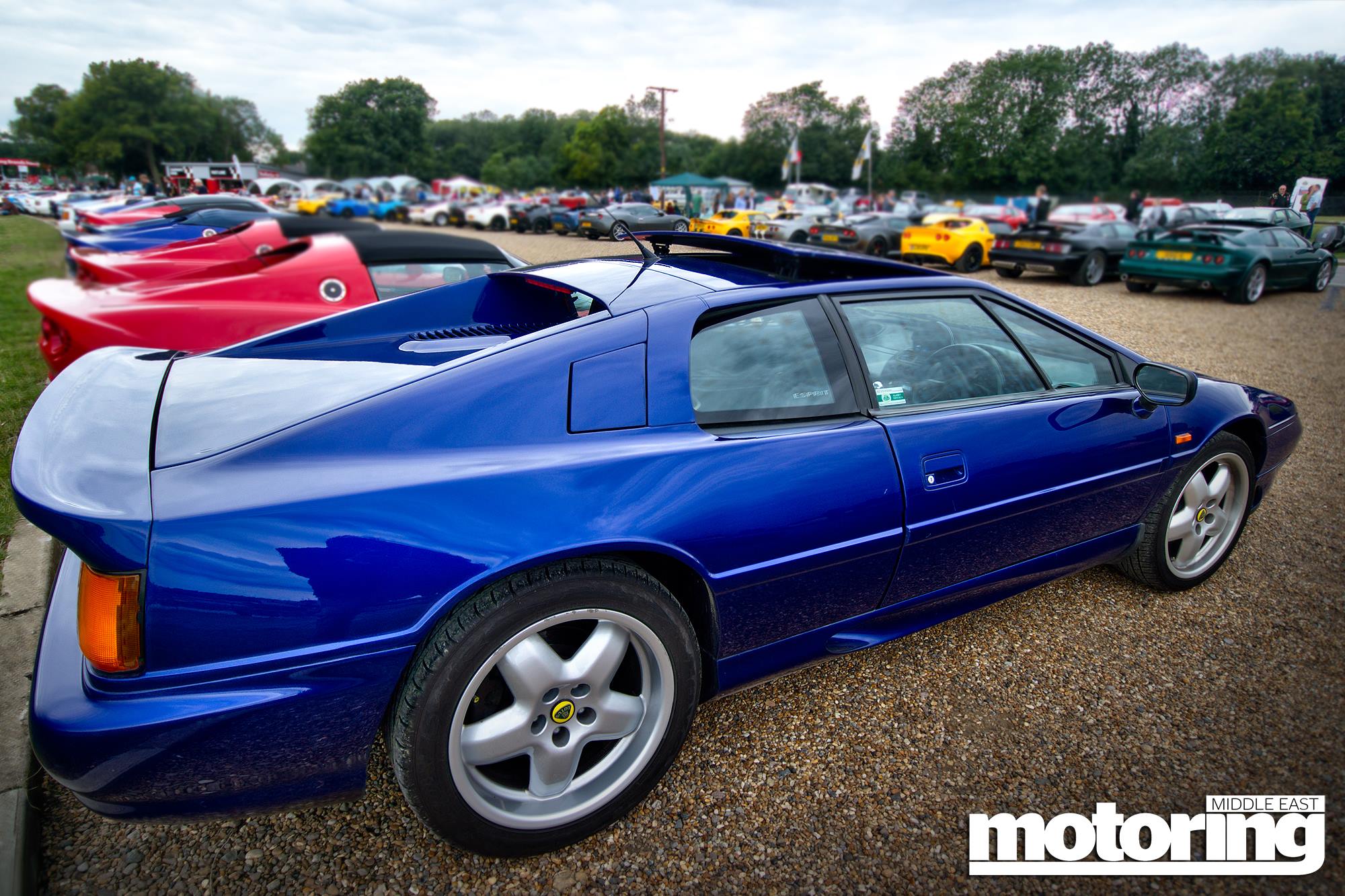

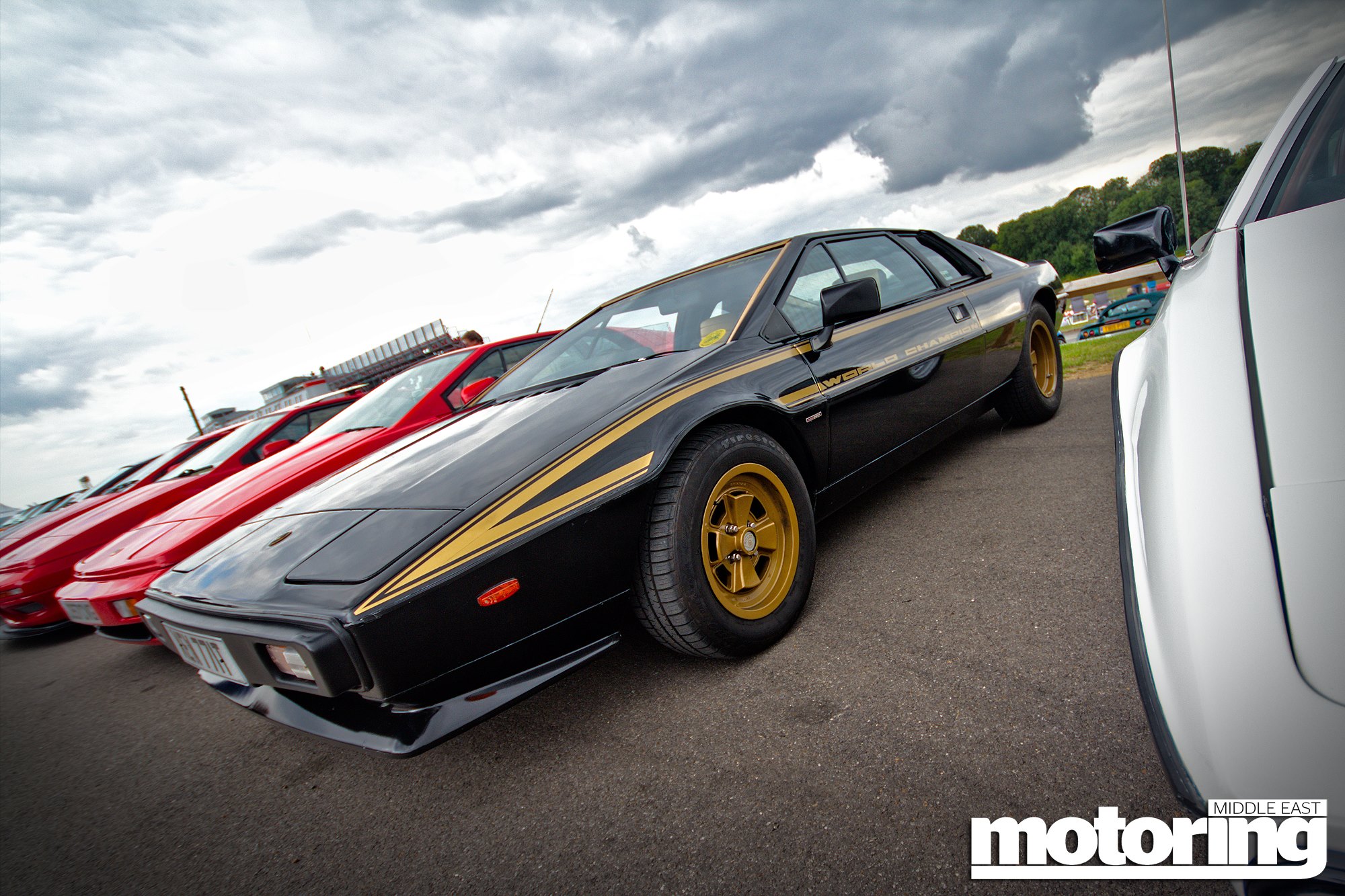
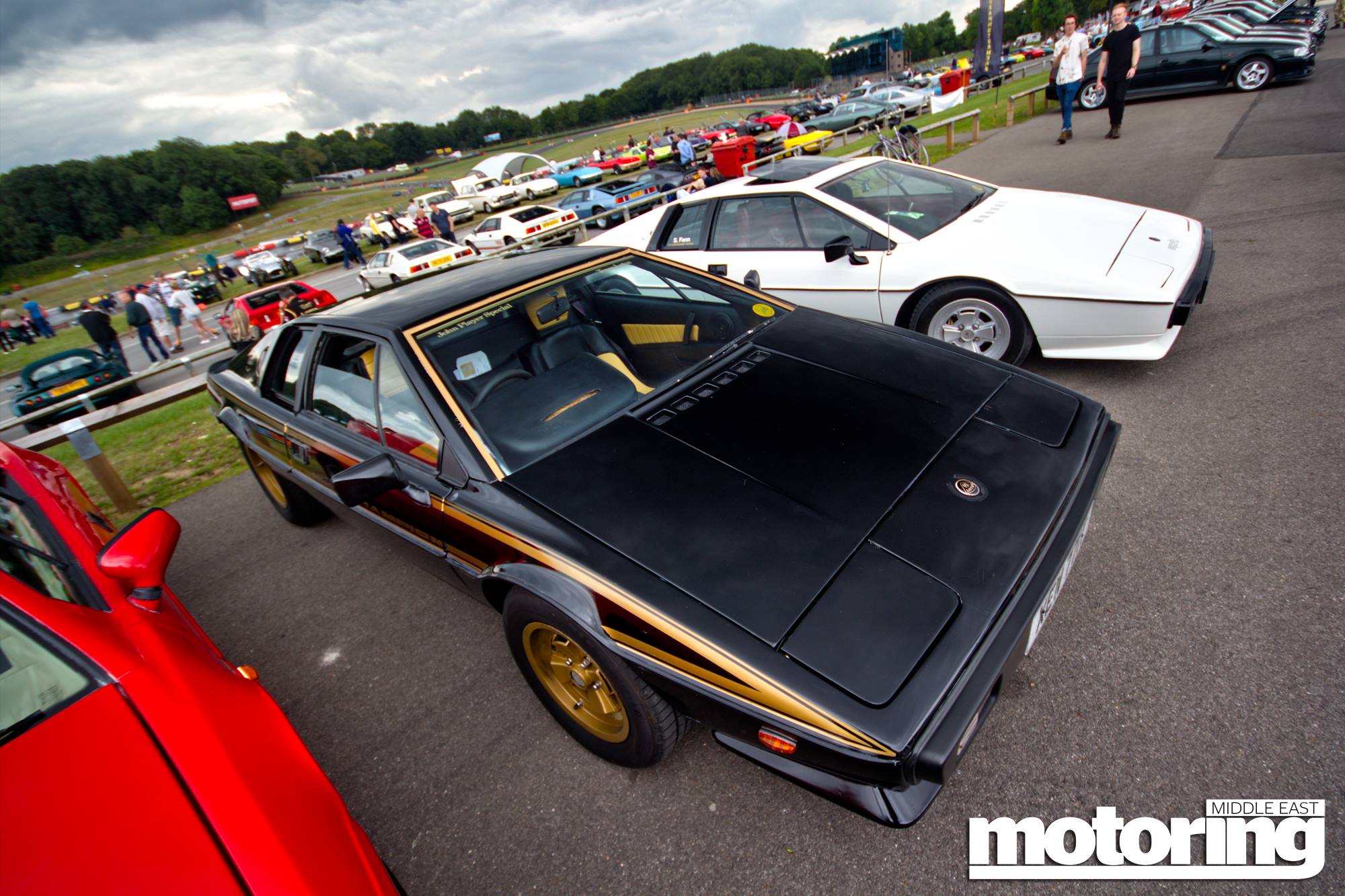

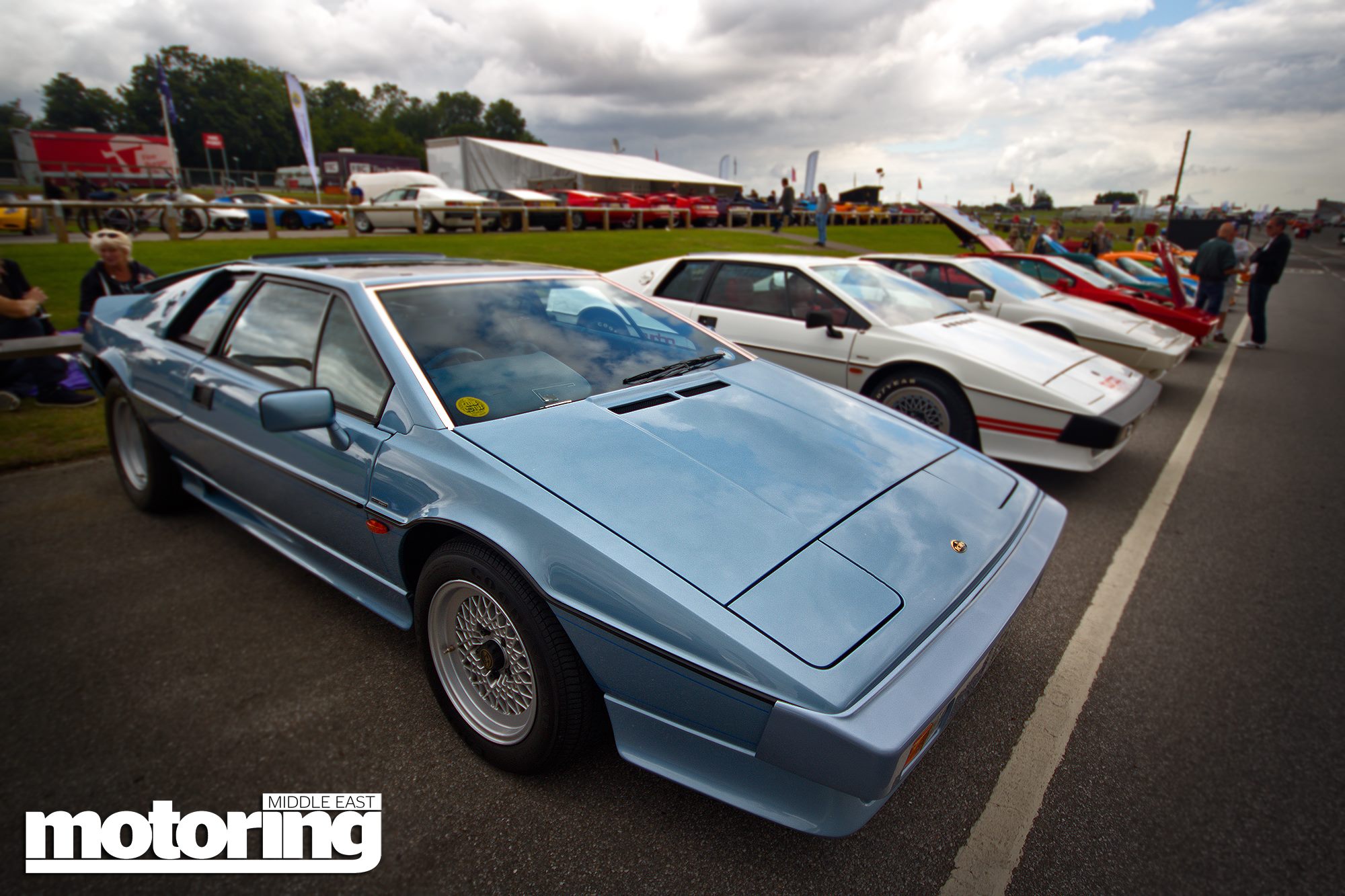


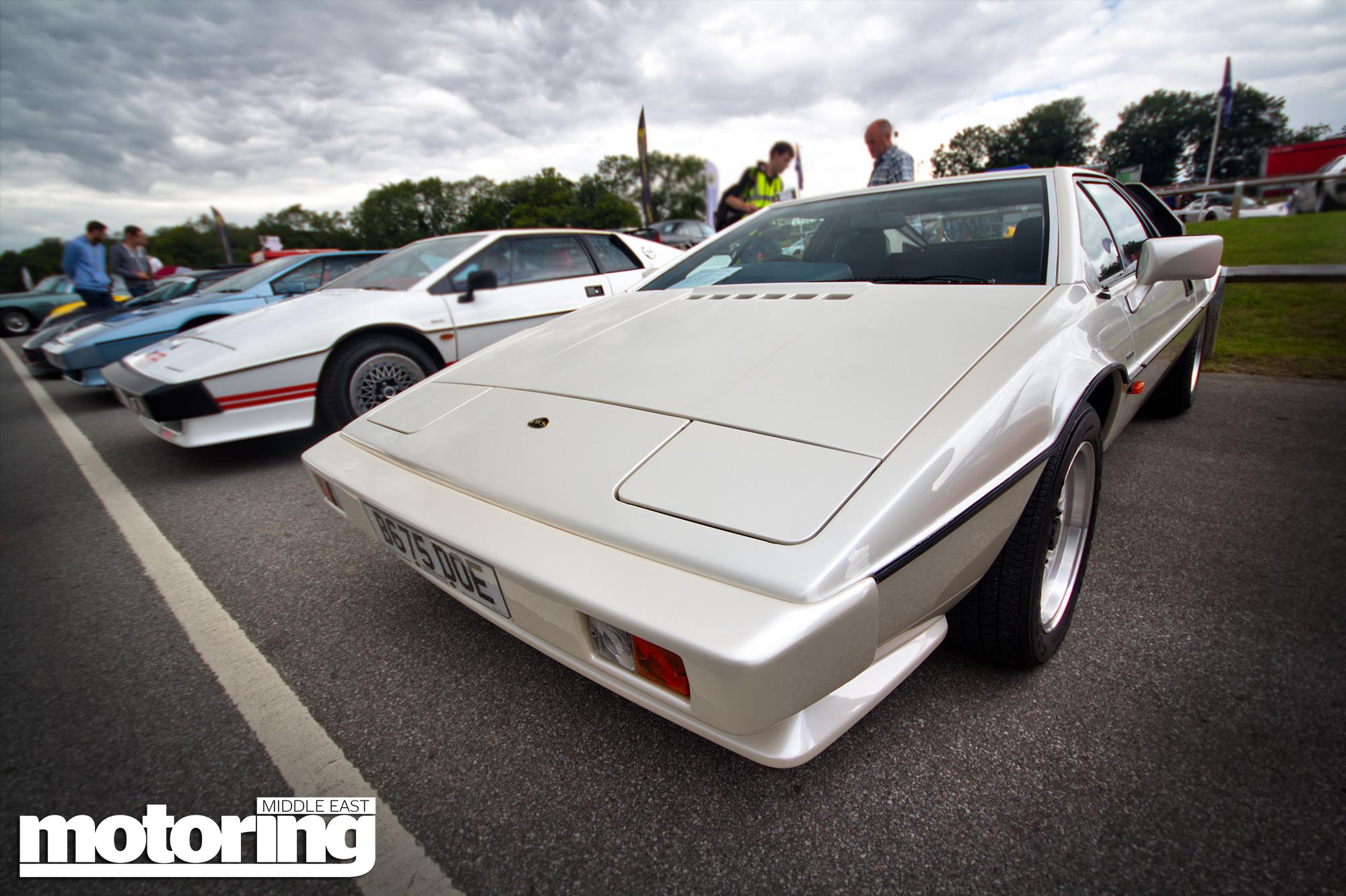
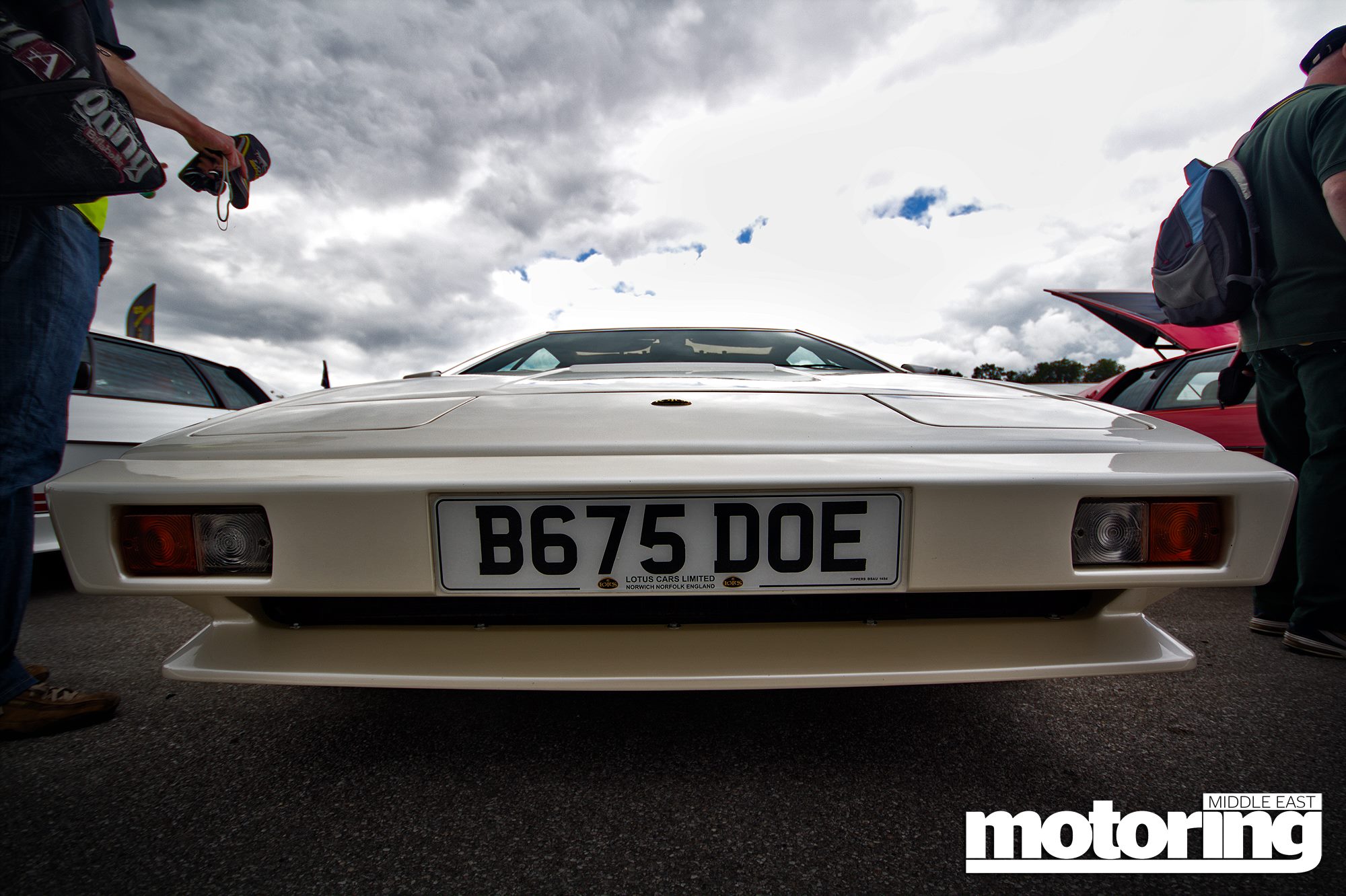
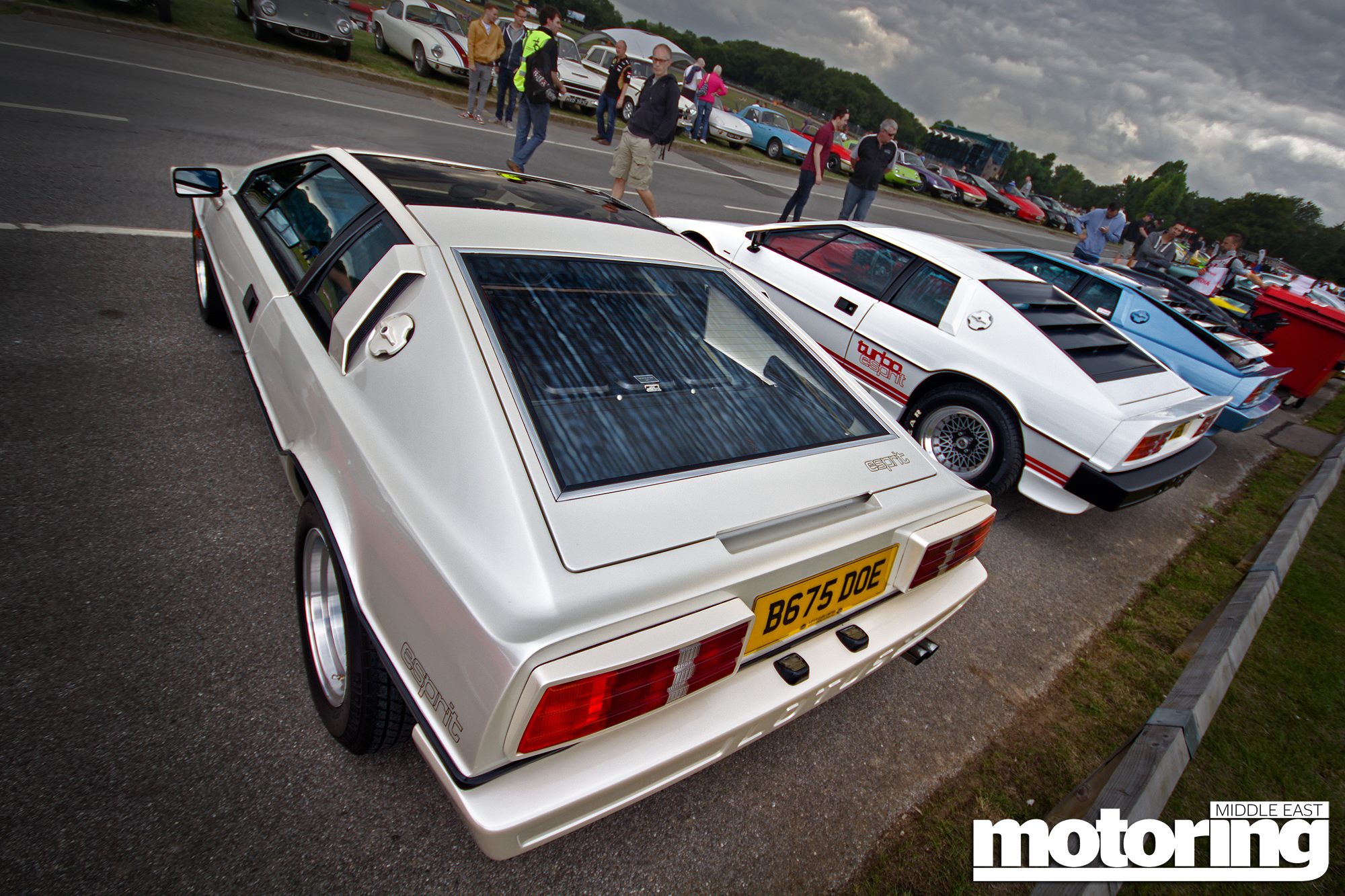

The Vital Fact File
Designed by the legendary Giorgetto Giugiaro, the Esprit debuted as a concept in 1972 and entered production in 1976. Its angular, origami-like lines were unlike anything else on the road. Most sports cars of the era were curvy and organic. The Esprit was futuristic and alien, so sharp it could give you a paper cut from 50 paces. It was the equivalent of a Concorde in an era of phat Jumbo Jets.
In my 2004 retrospective “The Defence”, I put it bluntly: “Forget Moore, forget Bond – that car was, and remains, the true star of that movie.” And I meant it. As a kid, I genuinely believed it could fly. “It could well have been from another planet… flying saucer-shaped and rocket ship white.”
Even standing still, the Esprit looked like it was doing Warp 10. That was the genius of its wedge design – clean, uncompromising, and utterly mesmerising. It wasn’t just a car; it was fantasy sculpted in fibreglass.

Chapman’s Lightweight Champion
Built on Colin Chapman’s mantra of “simplify, then add lightness,” the Esprit was a masterclass in handling and balance. The original Series 1 weighed just 900kg, powered by a 2.0-litre four-cylinder engine producing 160bhp. That doesn’t sound like much, but it didn’t need much – this was about poise, not power. You could take on mightier machines in the twisties and come out grinning.
In my very first drive of the Esprit SE in 1991, I wrote for Arab News: “I found my childhood dream car to live up to all my expectations, and to surpass my most optimistic presumptions.” I still stand by that.
By this time, the shape had already evolved from the original G Models (S1, S2 and S3). In 1988 we had got the X180 version by Peter Stevens, who went on to design the McLaren F1. He softened the Giugiaro shape, giving the car a smoother, more modern form without diluting its wedgy presence.
Power for the turbo 2.2-litre increased to as much as 264bhp (280bhp on overboost) for SE models. It could hit 0-60mph in 4.7 seconds. Staggering numbers back then.
In that same 1991 review, I declared: “When I floored it down the mile-long test track, the response was simply: “Breathtaking! You can really feel the g-forces build up: this is shove-in-the-back acceleration the way only supercars can deliver.”

Enter the V8 — The Car It Was Meant To Be
After another design tweak by Julian Thomson, he added more curves, cuts and louvres, yet remaining true and sympathetic to the iconic tapered shape.
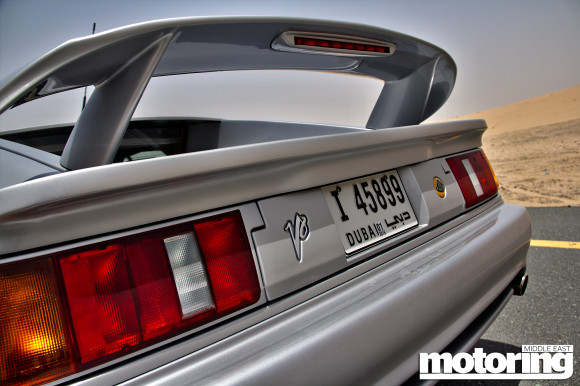
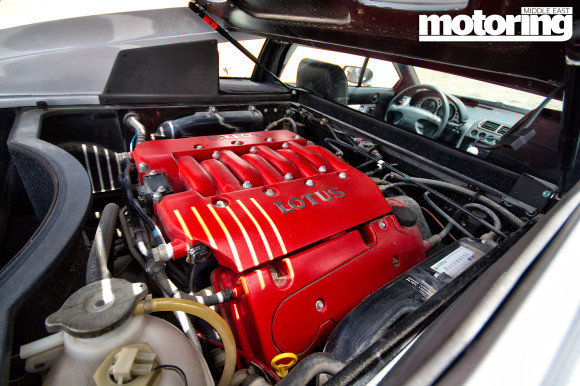
The Esprit was always meant to have a V8, but the oil crisis of the 70s saw Lotus stick with four-bangers for most of its life. That changed in 1996. Lotus finally fitted their own in-house developed 3.5-litre twin-turbo V8. Originally capable of 500bhp, it had to be detuned to 350bhp because – astonishingly – Lotus couldn’t source a gearbox strong enough to handle the power!
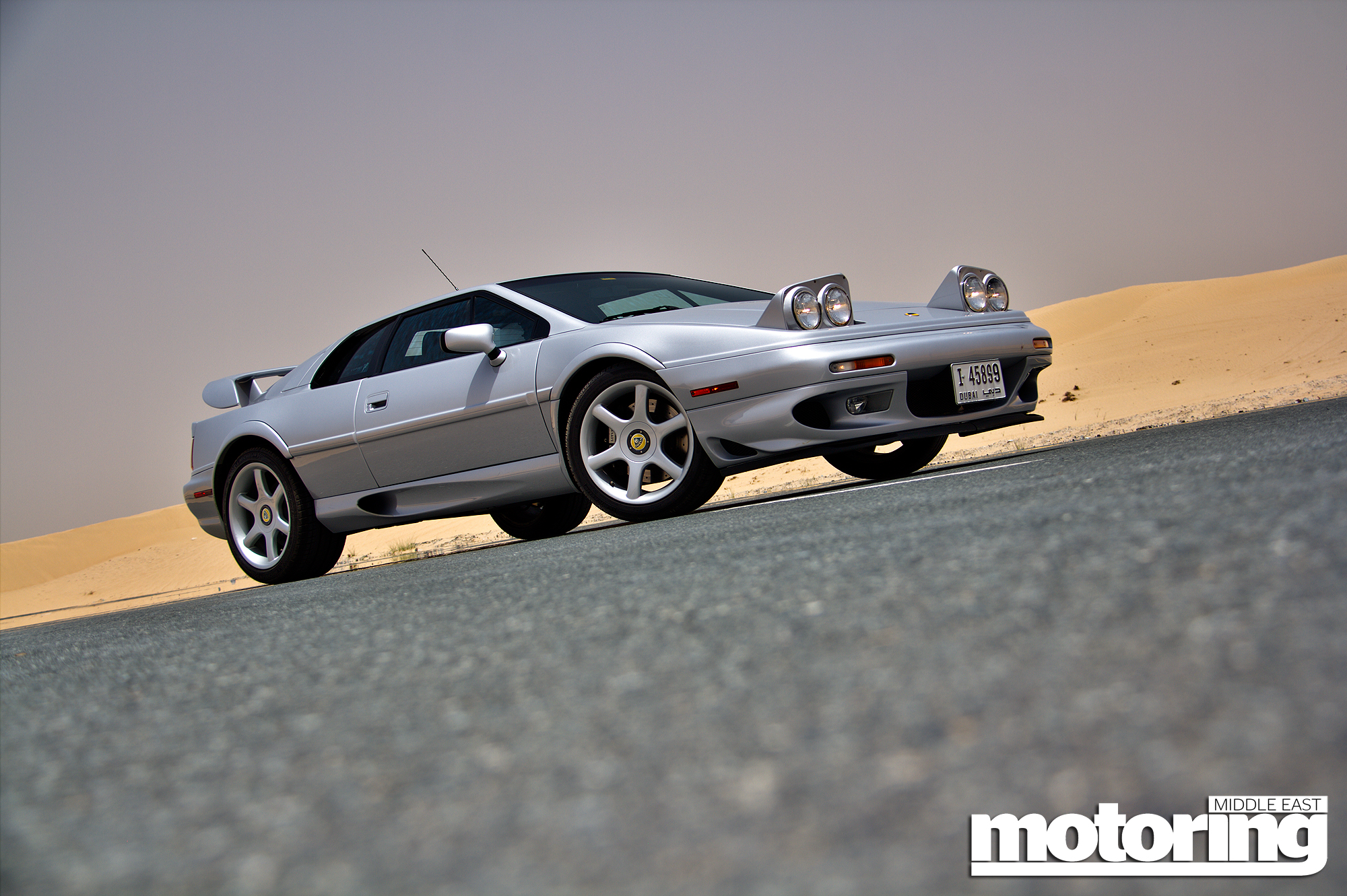
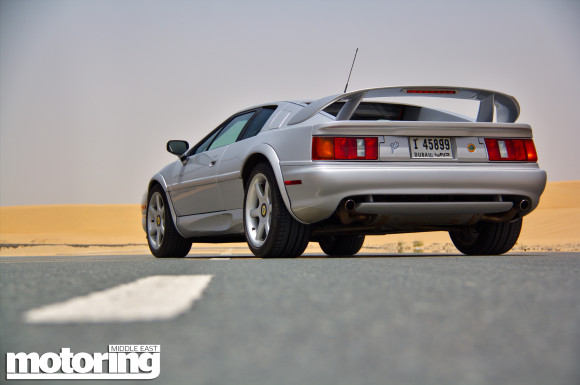
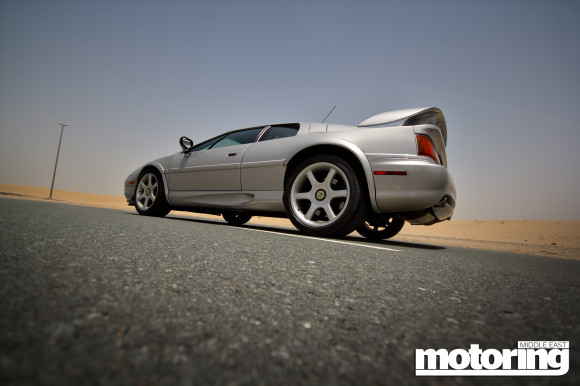
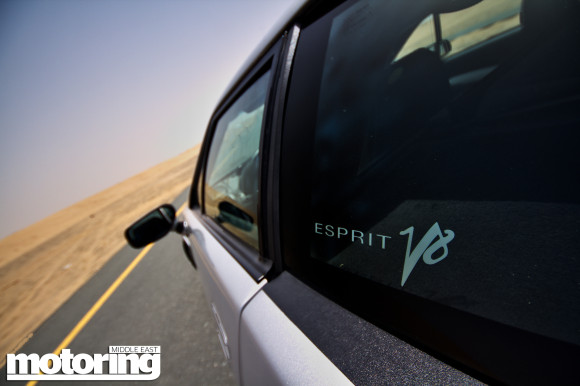
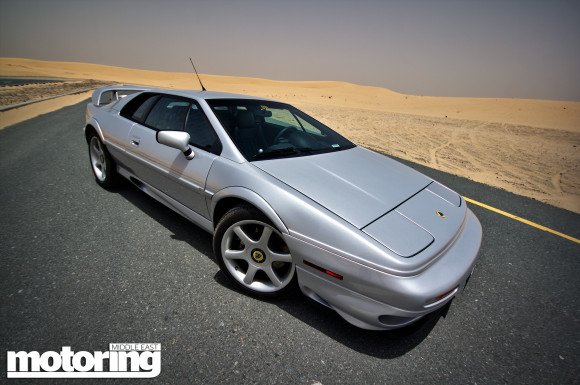
In 2015, I reviewed one of the last Esprits – a 2001 V8 model – in Dubai for Motoring Middle East. “It doesn’t happen to me as often as it used to… but the night before I was to meet one of the only Lotus Esprit V8 models in Dubai right now, I could barely sleep from excitement.”
And the car didn’t disappoint. From its classic pop-up headlights to the delicate lines, it was unmistakably Esprit – no compromise.
“In just a few minutes behind the wheel, it was apparent that age hadn’t dulled the driving experience one bit. It’s a very easy drive… Going around the couple of roundabouts at moderate speed, it felt poised and planted, and you get some sense of the fabled Lotus handling.”
That particular car, with under 5000km on the clock, was up for sale at 170,000 Dirhams (around £47,000) at the time.
http://motoringme.com/features/classic-lotus-esprit-v8-dubai-video-review/







Prices are rocketing – have I missed the boat?
There was a time – not that long ago – when you could buy an Esprit for as little as £15,000 – a good one. You can still find them from £20k or just below, but be very careful. Mint examples are up around the £30k area, and pristine examples will stretch to past £50k and beyond. Rarefied concours cars broke the £100k barrier a few years ago, and there’s currently a blue Essex edition advertised for £135,000!
I don’t know why I didn’t just get one when I could. (And I still think I should have lifted the red from Sharjah and figured the rest out later). But I told myself it wasn’t the right time, or that I needed something more practical, or that I’d get one later. But later never came, and now they are rocketing out of reach. Deservedly so, though.
Just having the purchasing price isn’t enough, you understand. Esprits are not easy cars to own. Parts bin bits from Vauxhall, Toyota, GM, Citroen, Renault and even Land Rover. Plus quirky ergonomics, and the occasional fragility (though I’m told the more you use them, the fewer problems they have and the better they get).
None of the negatives matter, of course. Because when you see one in the metal, your heart skips a beat. And if you’re lucky enough to drive one – it changes you.
As I wrote in The Defence: “It just inspires that abandonment of convention, encouraging you to stretch belief and reason.”
It’s rare, it’s bold, it’s dramatic, and it’s pure theatre.

A Legacy Worth Celebrating
Over its 28-year production run, Lotus built fewer than 11,000 Esprits. Compare that to the Porsche 911 or Ferrari 308/328, and you realise just how rare these are. Yet its influence looms large. The Elise, the VX220, even the Evora – they owe their very existence to the Esprit.
As I said back in 2004: “If you love the Elise or the VX220, then you’d better stand up and applaud the Esprit, because without it they would have never come into being.”
Today, the Lotus Esprit is one of the last true analogue supercars – especially in V8 form. No traction control, no paddles, no digital trickery. Just a mid-mounted engine, a manual gearbox, and you. It demands attention and rewards skill. And it still turns heads like nothing else.

Happy Birthday, Esprit!
From Bond-fuelled fantasies as a boy, to my first real drive in 1991, and curating my unintentionally ever-growing collection of model Esprits, this is one car I’ve never fallen out of love with, and never will. I’ve loved it from every angle – visually, emotionally, even spiritually.
Yes, I regret not owning one. But I am grateful to have experienced it. To have sat in it, driven it, felt it. And now, at 50 years old, the Lotus Esprit stands not only as a design classic but as a symbol of what cars used to be: aspirational, emotional, mechanical, and magical!
Happy 50th birthday, you beautiful wedge.
You still make my heart race.
If you found this useful, interesting or fun, consider supporting me via Patreon, Ko-Fi, or even grabbing a copy of one of my books on Amazon. Every bit helps me keep creating independent automotive content that actually helps people.
Support independent car journalism 🙏🏽☺️ grab my books on Amazon, take up membership to BrownCarGuy on YouTube, or join me on Ko-Fi or Patreon.

👉🏽 Channel membership: https://www.youtube.com/browncarguy/join
👉🏽 Buy me a Coffee! https://ko-fi.com/browncarguy
👉🏽 Patreon – https://www.patreon.com/BrownCarGuy

MY BOOKS ON AMAZON!
📖 Want to become an automotive journalist, content creator, or car influencer? Check out my book: How to be an Automotive Content Creator 👉🏽 https://amzn.eu/d/7VTs0ii
📖 Quantum Races – A collection of my best automotive sci-fi short stories! 👉🏽 https://amzn.eu/d/0Y93s9g
Discover more from Brown Car Guy
Subscribe to get the latest posts sent to your email.
