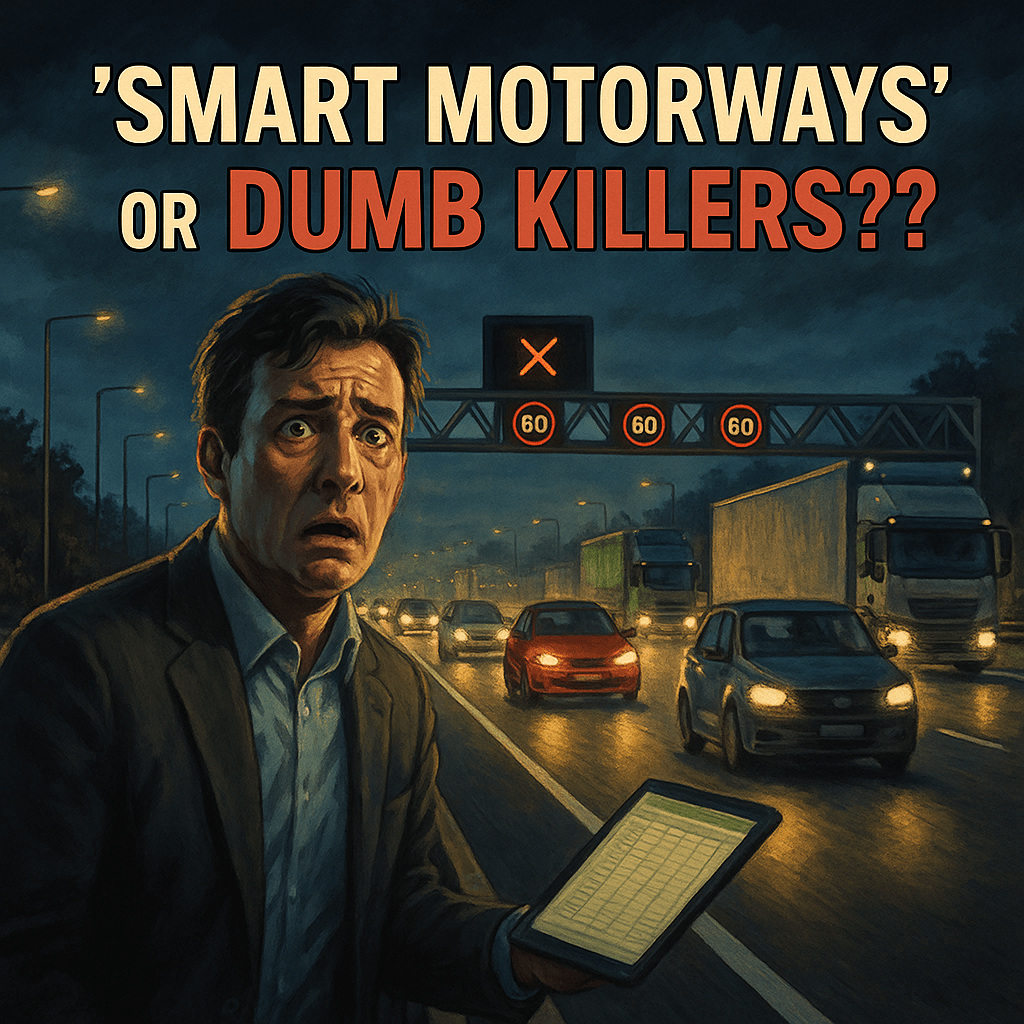
Built, Blamed, Then Binned. But at What Cost?!
While I was living in the UAE, the UK quietly rolled out something called Smart Motorways.
Now bear in mind – I’d been away for a bit, so when I came back and first heard about these, I honestly thought someone was taking the mick.
“Wait… they removed the hard shoulder? On purpose? And called that ‘smart’?!”
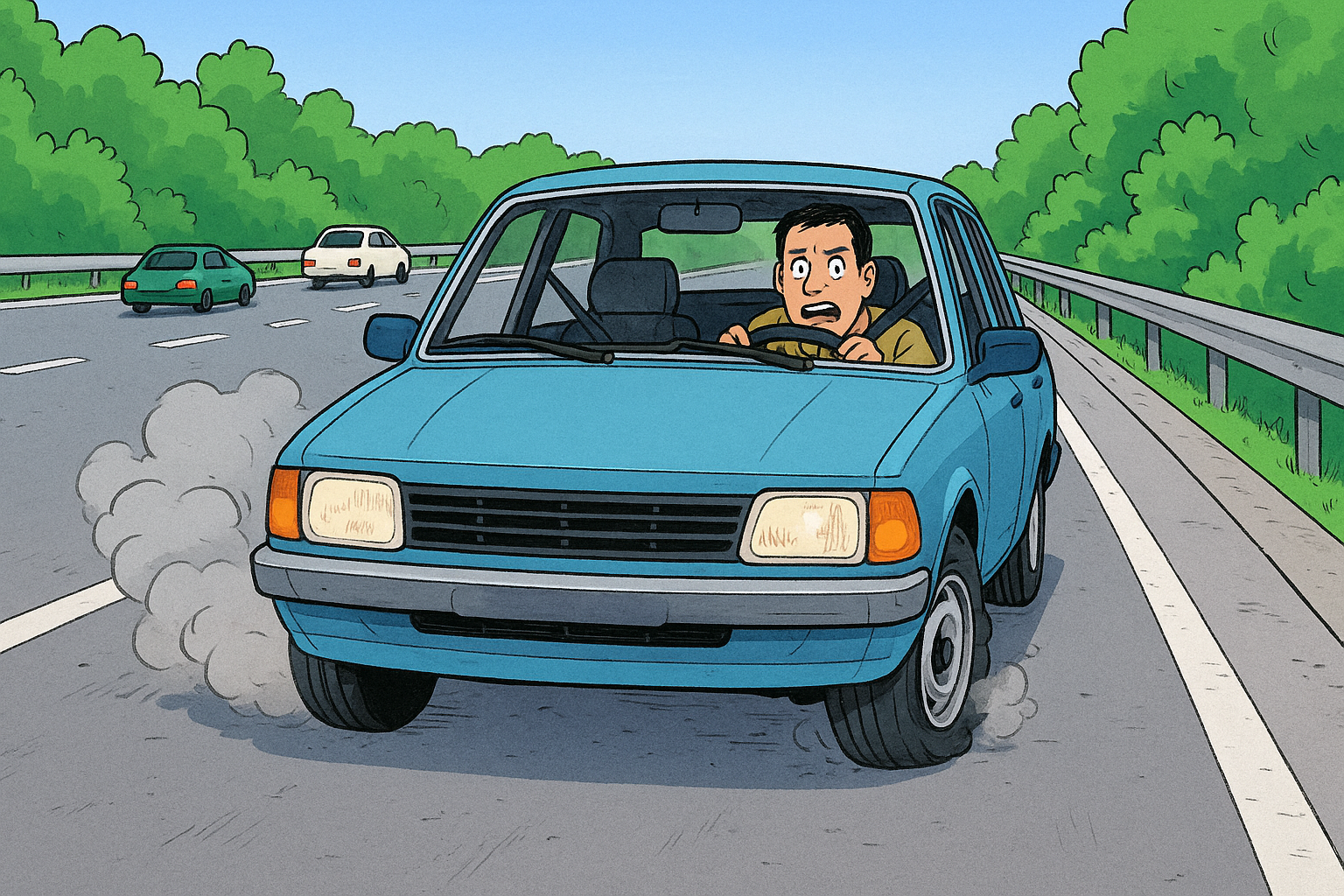
I was shocked, appalled, and genuinely in disbelief. It was like they’d stripped away a driver’s last lifeline. You break down, you get hit by a 16-ton HGV, you die. Simple as that. Who approved this? Who thought this was a good idea? And where were the voices shouting NO?
Turns out, they were there… eventually. But not before billions were spent, and worse – lives were lost.
This is the story of one of the most catastrophic road safety blunders in recent UK history – and the real lessons we need to learn from it.
What Exactly Are Smart Motorways?
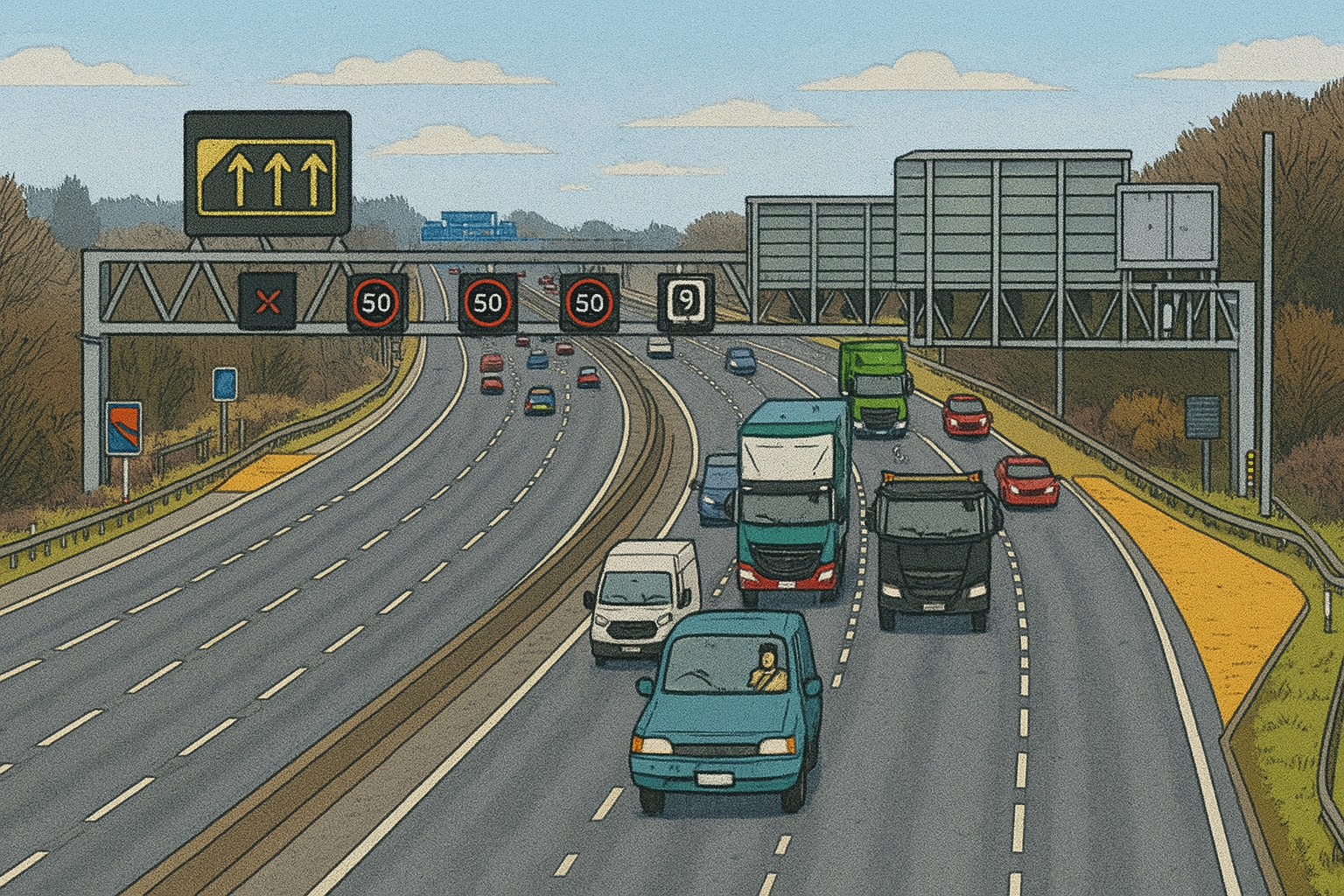
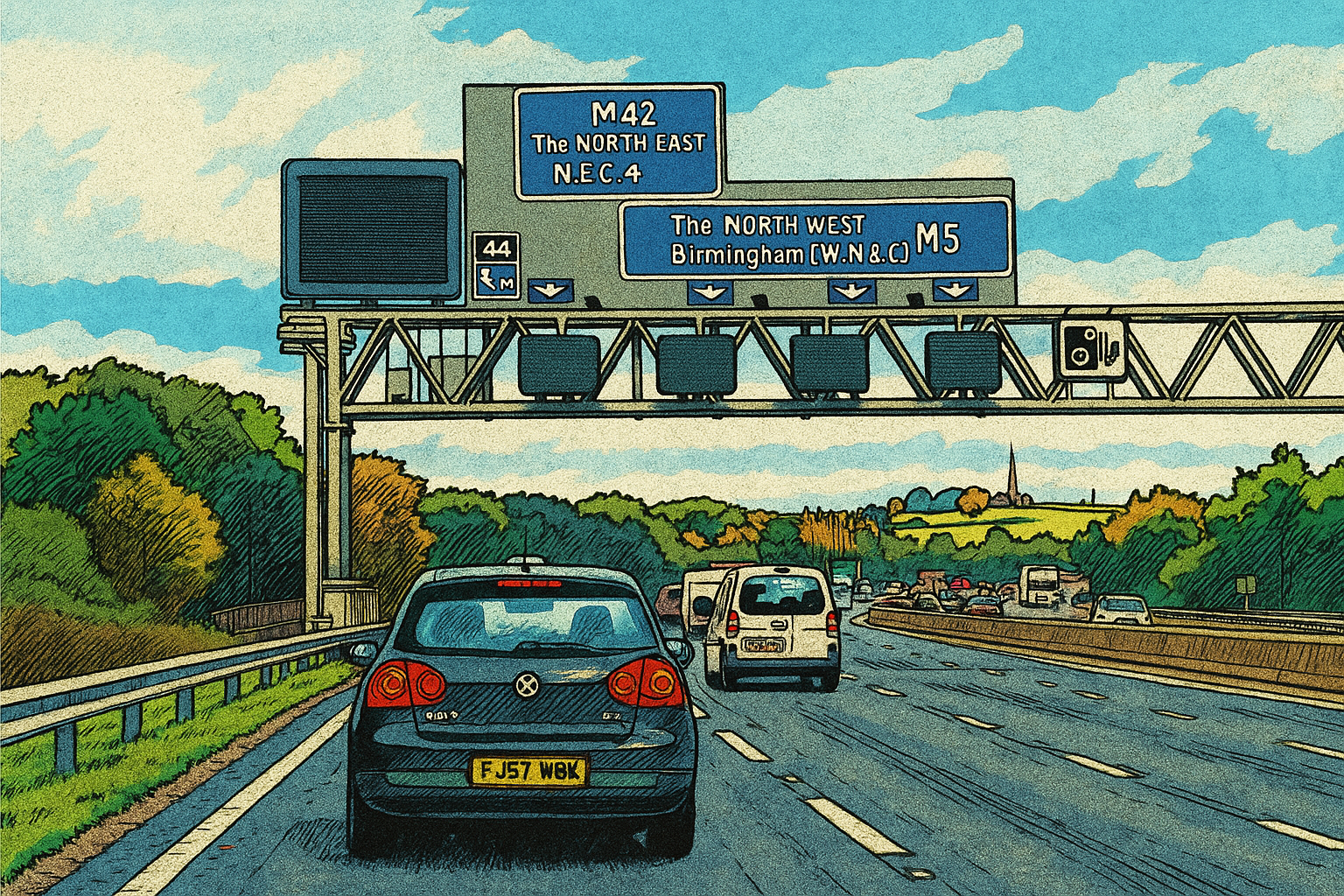
First introduced in pilot form on the M42 in 2006, Smart Motorways were marketed as a revolutionary solution to congestion. Instead of widening roads (expensive), they’d convert the hard shoulder into a live lane (cheap), manage traffic with cameras, and display variable speed limits on overhead gantries.
These came in different flavours – but the most notorious was All Lane Running (ALR).
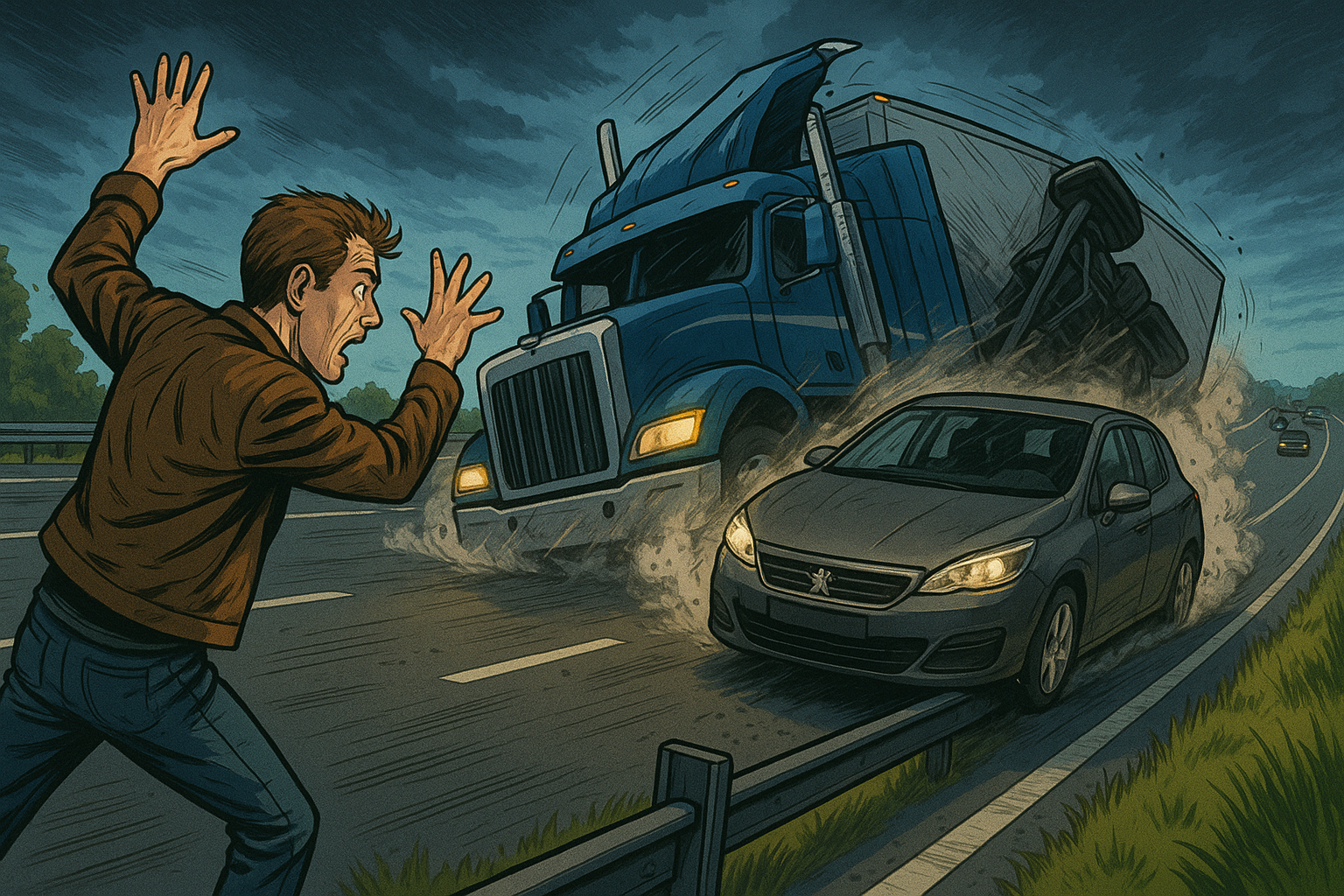
That’s right – no permanent hard shoulder at all! Just a running lane. You break down? You stop in a live traffic lane. Emergency refuge areas? Oh yes, those exist… every 1.5 to 2.5 miles apart! Good luck coasting that far with a shredded tyre or engine failure.
We prefer to call ALR what it really stands for: All Lives Risked.
Why Were They Introduced?
Between 2015 and 2023, the UK spent over £1.3 billion converting parts of the M1, M4, M6, and M25 into Smart Motorways. Another £2 billion was earmarked for future conversions, until the plan was mercifully shelved.
The idea was to solve traffic congestion on the cheap by maximising road use.
But in reality, it was a cost-cutting measure that compromised safety. Simple as that.

The Deadly Consequences
Let’s talk numbers – the human cost.
- 38 deaths were recorded on Smart Motorways between 2015 and 2020.
- In 2022 alone, there were 24 fatalities on these roads.
- Drivers who broke down in live lanes were hit before the system even detected them.
- Some had no chance – emergency refuge areas were just too far apart.
This wasn’t just a bad idea. It was state-sanctioned vehicular roulette.
Even the RAC called them a “dangerous experiment.” And that’s being polite.
Who Scrapped Them?
Surprisingly, not the government.
You did. We did. The public did.
- Campaigners.
- Families of victims.
- The AA and RAC.
- MPs.
- Coroners who were absolutely clear: these roads were killing people.
Then came the headlines. The damning statistics. And to top it all off – the technology frequently failed. Between 2022 and 2024 alone, there were almost 400 breakdowns in radar and camera systems that were meant to spot stranded vehicles.
Finally, in April 2023, the government pulled the plug.
Future Smart Motorway projects were cancelled due to “financial pressures and lack of public confidence.”
Translation?
“We got caught, and we’re skint.”
But They Still Exist!
Here’s the terrifying part: They’re still out there.
Existing Smart Motorways weren’t undone.
They added a few more refuge areas and threw in some better tech – but the hard shoulders are still gone.
The danger remains. So does the public distrust.
How Do We Stop This Madness Ever Happening Again?
We need to ask some hard questions. Like:
- Who approved this in the first place?
- Why wasn’t real-world driver feedback sought before rolling it out?
- How was risk to human life so casually downplayed?
To make sure this never happens again, we need:
- Independent reviews for all major transport policies.
- Driver consultation before implementation.
- Accountability – real, career-ending accountability – when lives are lost due to poor policy.
Oh, and the next time a minister with a spreadsheet says: “It’ll be fine.”
Ask them to park up in lane one of a Smart Motorway on a Friday afternoon.

So What Should a Smart Motorway Look Like?
Let me be clear: I’m not against using technology to improve motorways.
Far from it. I lived in the UAE for years – and let me tell you, they know how to do it properly.
Take the motorway between Dubai and Abu Dhabi, for example.
This is a multi-lane, well-marked, meticulously maintained high-speed corridor. And guess what? They increased the speed limit – because they had the confidence in their infrastructure to back it up.
- The posted speed limit was raised to 140km/h (about 87mph).
- But unofficially, you could cruise at 160km/h (nearly 100mph) without triggering the speed cameras – because they’re set with a 20km/h grace buffer.
Why did they do this? Because the roads are smooth, visibility is excellent, signage is clear, the lanes are wide, emergency response is immediate, and driver discipline is strictly enforced. That is what smart road management looks like: Safe, structured, technology-assisted, and common-sense led.
Contrast that with the UK’s Smart Motorways.
Instead of building new capacity, we removed the only safety net. We crammed more cars into less space.
And then we acted surprised when it all went horribly wrong.
A Real Smart Motorway Would:
- Keep the hard shoulder – because breakdowns happen, and lives depend on it.
- Use variable speed limits, dynamically adjusted via real-time traffic data, to manage flow without punishment.
- Employ ramp metering, already used effectively in countries like the Netherlands, to stagger traffic joining the motorway.
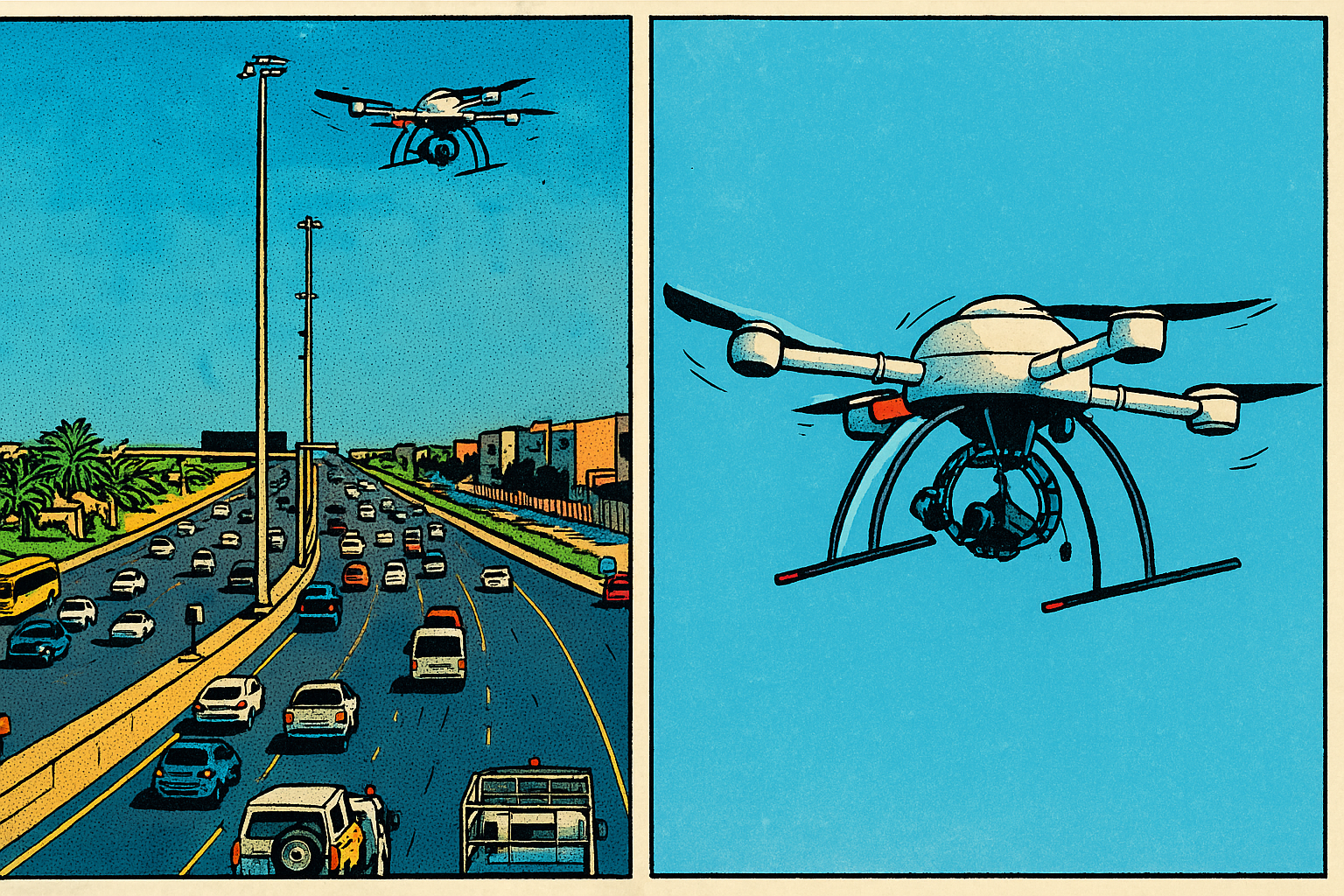
- Integrate AI detection systems, drone-assisted incident response, and actually functioning gantry alerts.
- Include frequent emergency refuge bays, no more than 500m apart, not 2 miles.
- Offer driver education, not just enforcement – because motorists need to understand the tech, not fear it.
And maybe – just maybe – we consider learning from places like the UAE, where motorways are treated not just as infrastructure, but as a point of national pride and public trust.

Final Thoughts
These so-called “Smart Motorways” were anything but. They were dumb, dangerous, deadly, and an insult to common sense. Lives were lost. Billions were wasted. And trust in road safety was eroded.
But now we know. Now we push back. And now we build a future where roads are smart — because they’re safe. Not because they’re cheap.
What’s your experience with Smart Motorways? Did you ever feel unsafe? Have your say in the comments below – I want to hear from you.
If you found this useful, interesting or fun, consider supporting me via Patreon, Ko-Fi, or even grabbing a copy of one of my books on Amazon. Every bit helps me keep creating independent automotive content that actually helps people.
Support independent car journalism 🙏🏽☺️ grab my books on Amazon, take up membership to BrownCarGuy on YouTube, or join me on Ko-Fi or Patreon.

👉🏽 Channel membership: https://www.youtube.com/browncarguy/join
👉🏽 Buy me a Coffee! https://ko-fi.com/browncarguy
👉🏽 Patreon – https://www.patreon.com/BrownCarGuy

MY BOOKS ON AMAZON!
📖 Want to become an automotive journalist, content creator, or car influencer? Check out my book: How to be an Automotive Content Creator 👉🏽 https://amzn.eu/d/7VTs0ii
📖 Quantum Races – A collection of my best automotive sci-fi short stories! 👉🏽 https://amzn.eu/d/0Y93s9g
📖 The ULEZ Files – My all-action thriller set in a dystopian ULEZ future! 👉🏽 https://amzn.eu/d/jhADkOt
Discover more from Brown Car Guy
Subscribe to get the latest posts sent to your email.

Leave a comment