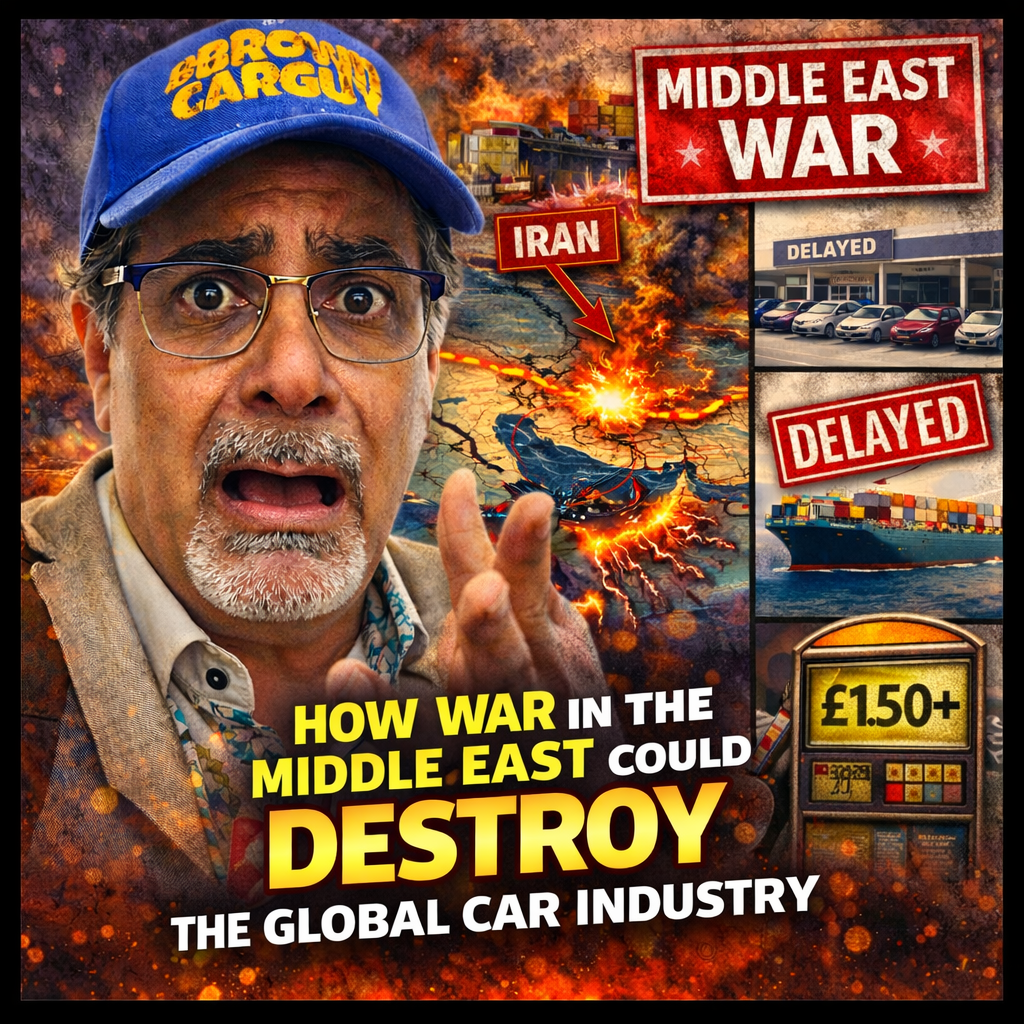
The war in the Middle East may feel like a distant geopolitical crisis – but it could have huge consequences for the global car industry
War, as history repeatedly reminds us, rarely stays confined to the battlefield. Its shockwaves travel outward through trade routes, energy markets, financial systems and, inevitably, everyday life. The latest escalation in tensions involving Iran may appear geographically distant to most motorists, but in reality the conflict is unfolding in one of the most strategically critical arteries of the global economy. And if events continue to escalate, the repercussions could ripple straight through the global automotive industry.
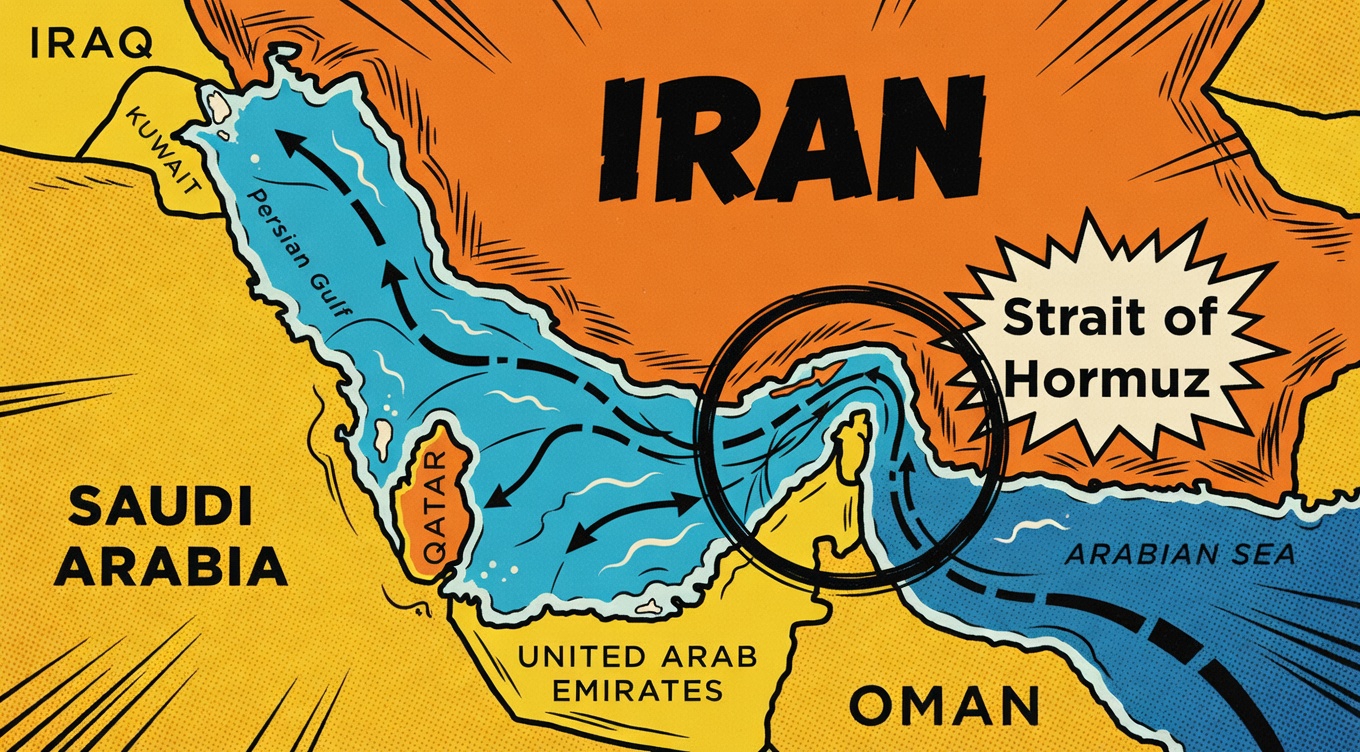
The reason lies in a narrow stretch of water that most people have never heard of, but which quietly underpins the entire modern economy. It’s called the Strait of Hormuz.
Located between Iran and Oman, this slender maritime corridor is just 21 miles wide at its narrowest point, yet roughly 20% of the world’s oil supply passes through it every single day. Tankers carrying crude from Saudi Arabia, Kuwait, Iraq, Qatar and the United Arab Emirates squeeze through this chokepoint before heading out to markets across Europe, Asia and the Americas.
If anything disrupts this flow, the consequences are immediate. Fuel prices rise. Energy costs surge. Global trade begins to wobble.
And the automotive industry – which depends on energy, logistics and consumer confidence more than almost any other sector – suddenly finds itself under enormous pressure. But oil is only part of the story.
The Hidden Automotive Hub of Global Trade
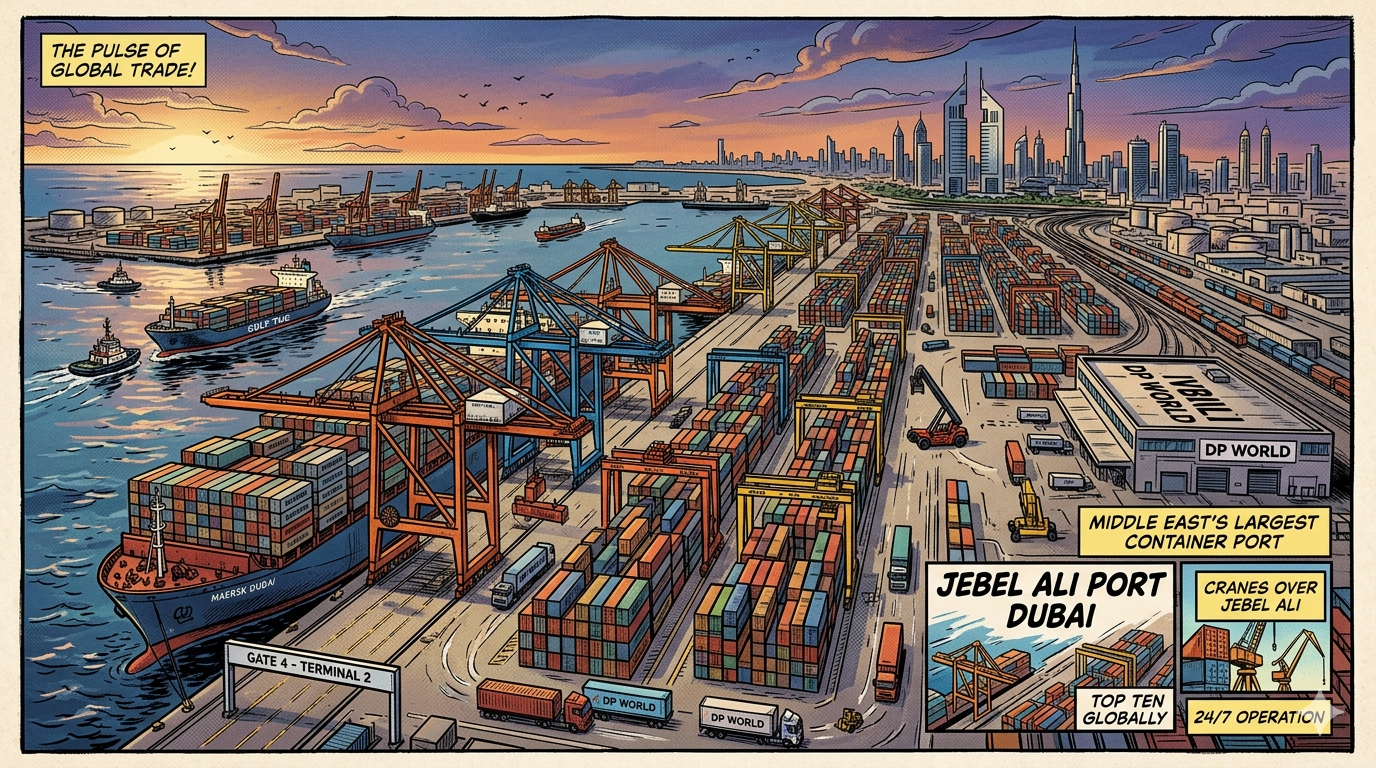
Inside the Persian Gulf sits one of the most important logistics hubs on Earth: Dubai.
More specifically, Jebel Ali Port.
Even if you follow the car industry closely, you may not realise just how crucial this port is to global automotive trade. Jebel Ali is the largest container port in the Middle East and one of the busiest anywhere in the world. Every year it processes millions of containers moving between Asia, Europe, Africa and the Middle East.
A surprising proportion of that cargo is automotive related: cars, engine, electronics, tyres, batteries, after market components and so on.
Yet much of the cargo passing through Jebel Ali isn’t actually destined for Dubai itself. The city functions as a massive redistribution hub – effectively a sorting centre for global trade. Containers arrive from Asia, are unloaded, reorganised and then shipped onward to destinations across Africa, Central Asia and Europe.
Which means a huge portion of the automotive supply chain quietly flows through the Persian Gulf. And there’s only one way in and out. The Strait of Hormuz.
When Shipping Routes Become War Zones
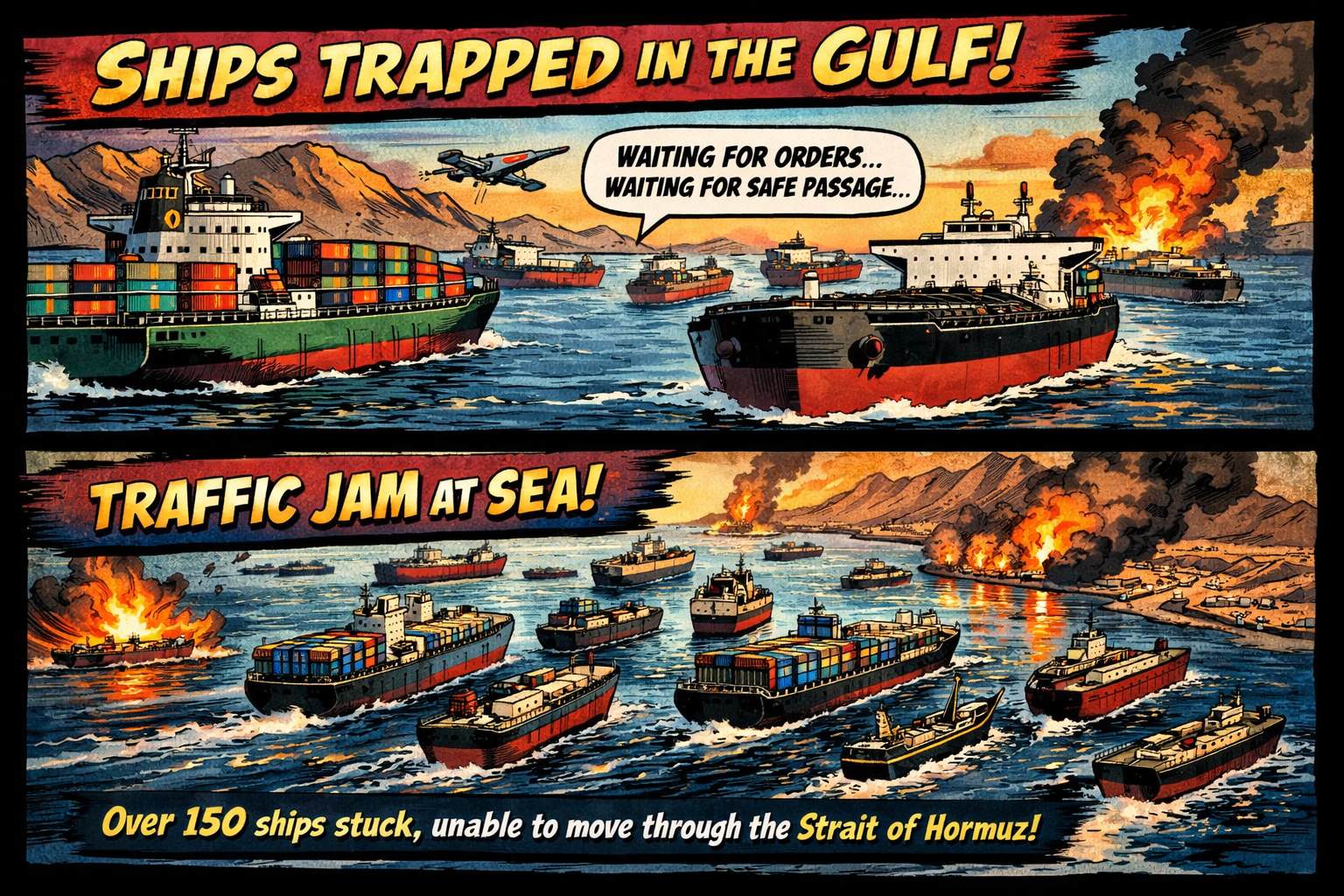
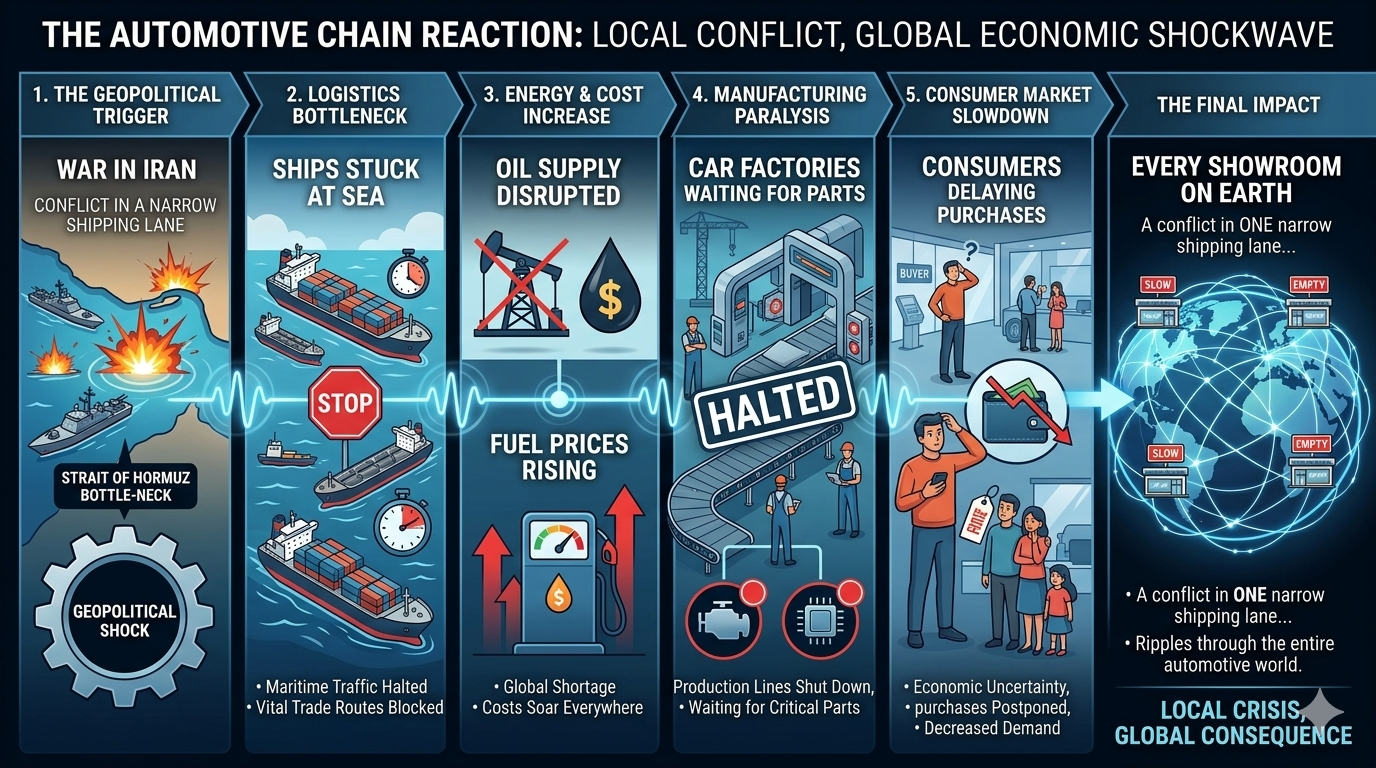
Now imagine what happens when conflict suddenly erupts in the region. Ships already inside the Gulf face a dilemma: leave immediately or risk becoming trapped. Ships approaching the region hesitate to enter. Insurance premiums skyrocket. Naval escorts become necessary. And suddenly global shipping traffic slows dramatically.
Reports during periods of heightened tension have shown hundreds of oil tankers and container ships waiting at anchor near the Strait, uncertain whether it is safe to proceed.
For car manufacturers operating on razor-thin production schedules, even small disruptions can have huge consequences.
The Fragility of Modern Car Manufacturing
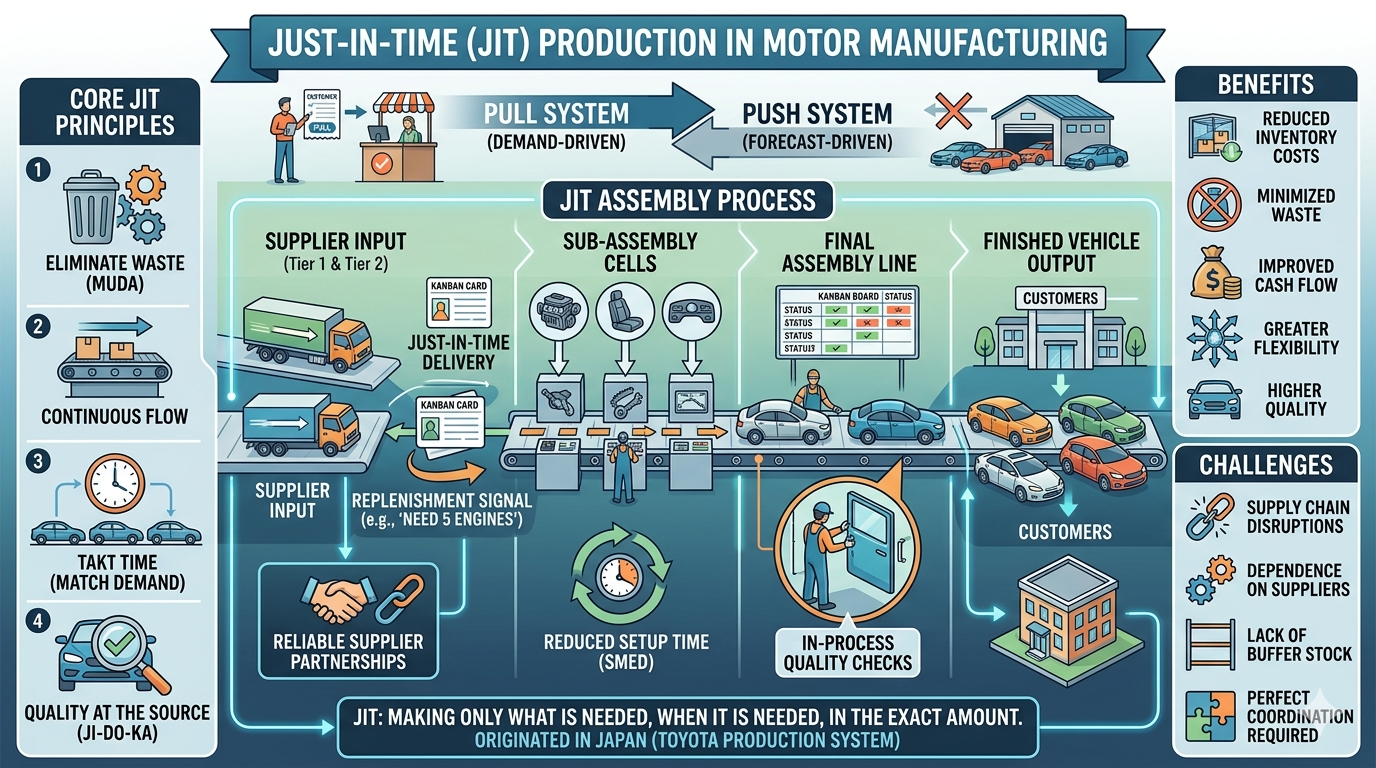
Modern car factories run on a system called just-in-time manufacturing. Rather than storing massive warehouses full of components, manufacturers schedule parts deliveries so they arrive exactly when they are needed on the assembly line. It’s incredibly efficient, but it’s also incredibly fragile.
A typical car may contain components sourced from dozens of countries. Engines may arrive from one region, wiring harnesses from another, electronics from Asia, and interior components from yet another supplier. If even one shipment fails to arrive on time, production lines can grind to a halt.
We saw exactly how vulnerable this system was during the COVID pandemic and the global semiconductor shortage that followed. At the height of the crisis, car manufacturers around the world were forced to suspend production because they simply couldn’t obtain critical chips. Toyota alone cut hundreds of thousands of vehicles from its production targets.
Now imagine a similar disruption triggered not by a pandemic, but by geopolitical conflict affecting one of the world’s most important shipping lanes.
Oil Is Only the Beginning
When people think about oil and cars, they usually think about fuel. But modern vehicles depend on oil for far more than simply powering engines.
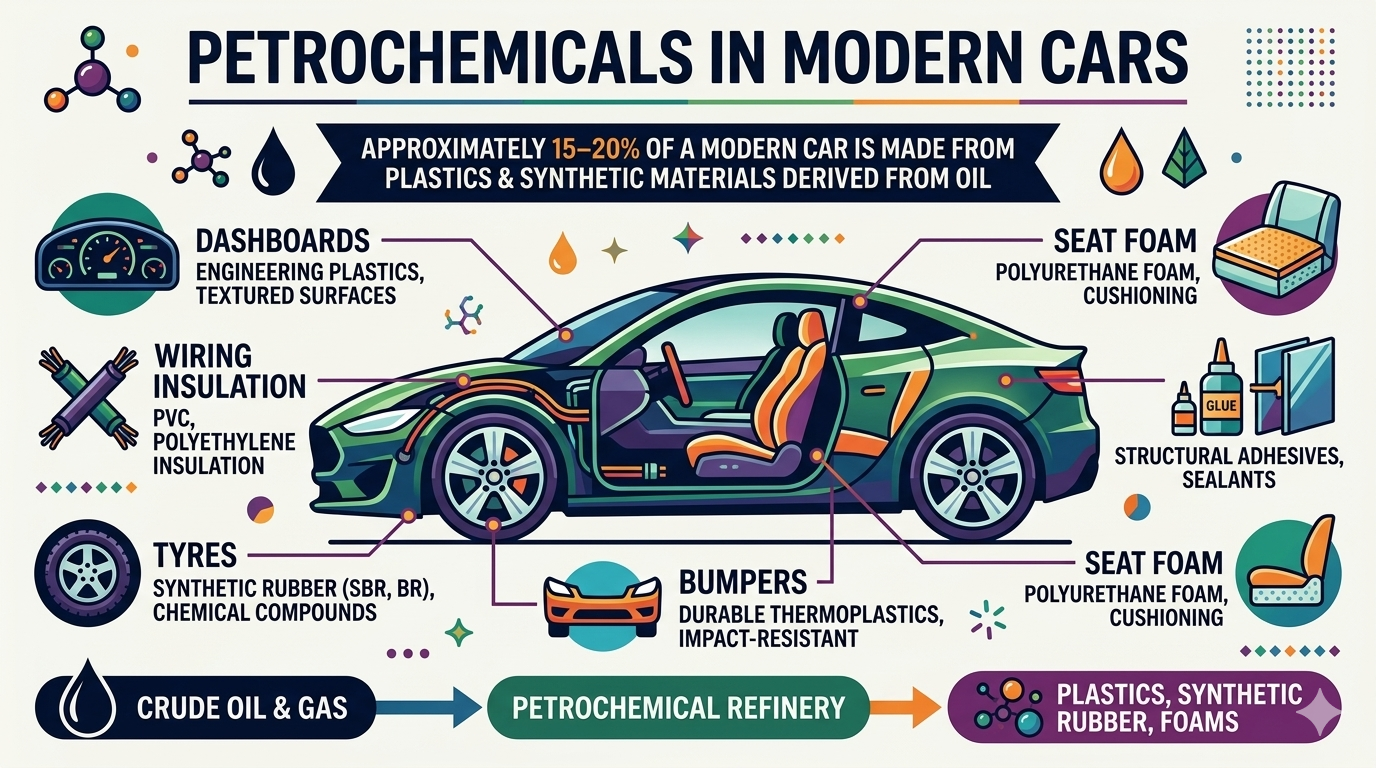
Petrochemicals derived from crude oil are used to manufacture an enormous range of components inside modern vehicles: dashboards, bumpers, seat foam, adhesives, tyres, wiring insulation and plastic housings for electronics.
In fact, roughly 15–20% of a modern car consists of plastics and synthetic materials derived from petrochemicals.
If disruptions in the Strait of Hormuz drive up oil prices or constrain petrochemical production, the cost of manufacturing cars can rise rapidly.
Analysts have warned that key petrochemical feedstocks such as polypropylene and ethylene – essential for automotive plastics – could see sharp price increases during prolonged energy market instability.
That translates directly into higher production costs for manufacturers. And eventually, higher prices for buyers.
The Energy Dependence of Global Automakers
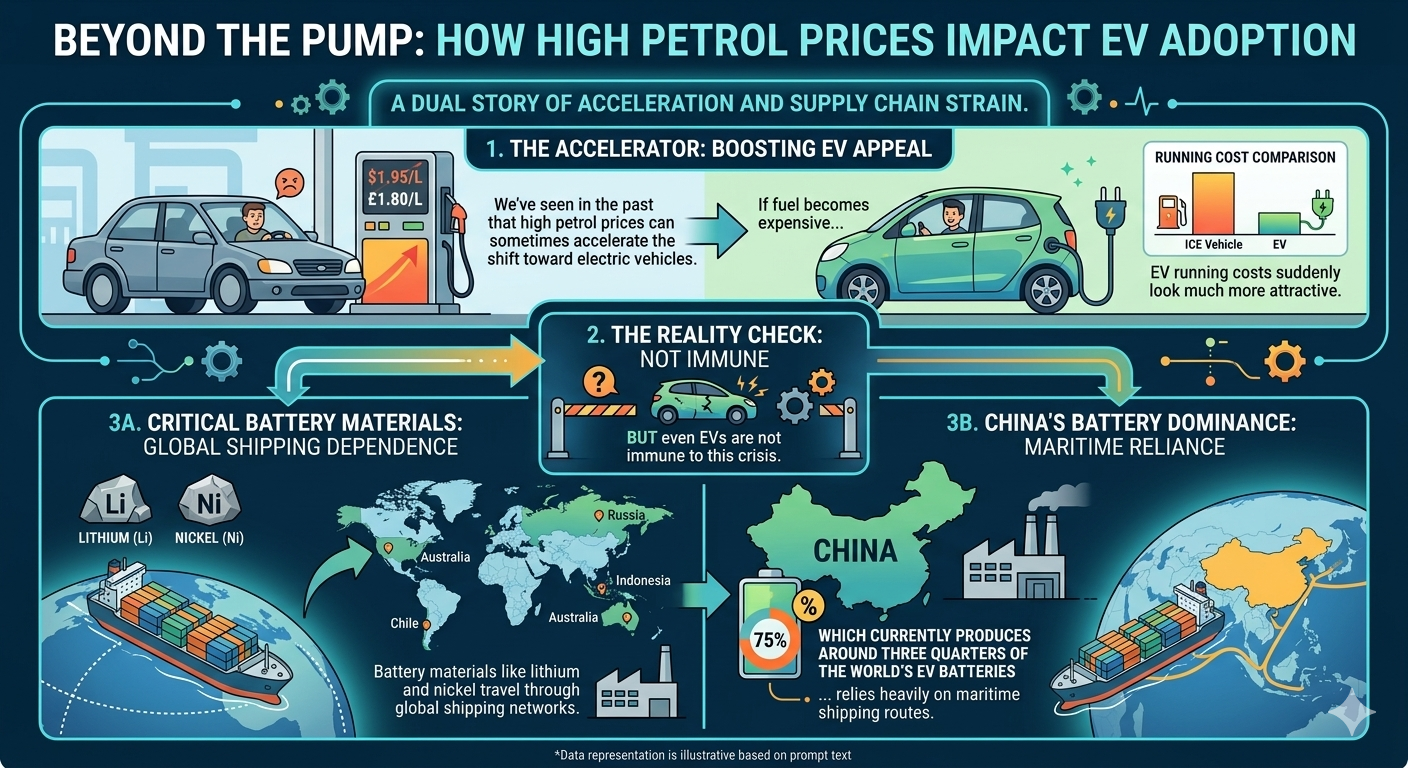
Some of the world’s largest car-producing nations are also heavily dependent on energy imports from the Middle East. Japan imports around 90% of its oil from the region. South Korea relies on the Gulf for roughly 70% of its supply. India obtains about half of its oil from Middle Eastern producers.
That means automakers such as Toyota, Honda, Nissan, Hyundai and Kia are particularly sensitive to energy price shocks. Energy-intensive processes like aluminium smelting, steel production and battery manufacturing can become dramatically more expensive if oil prices surge.
Even electric vehicle production is affected, because battery manufacturing consumes large amounts of energy and relies on global shipping networks.
When Fuel Prices Rise, Consumers Change Behaviour
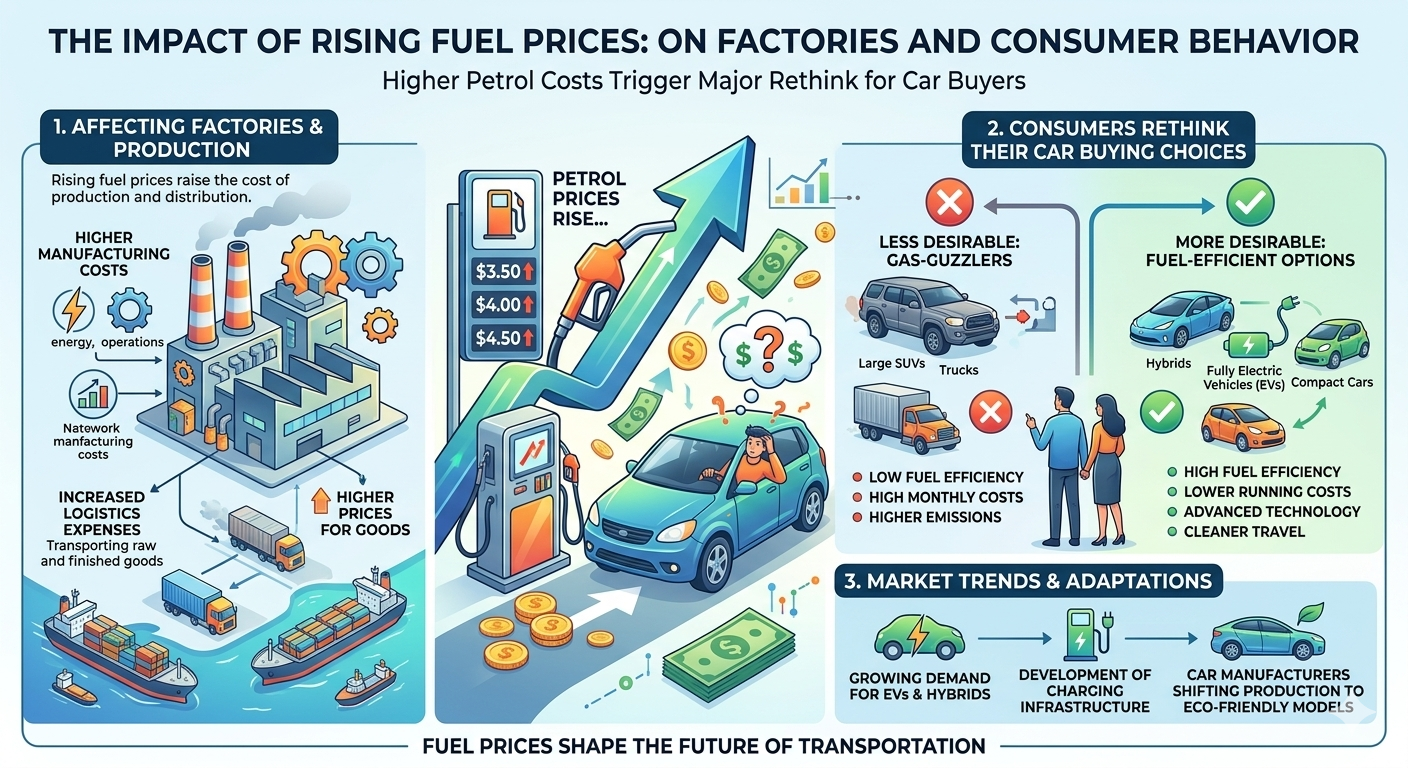
Rising oil prices don’t just affect factories. They affect drivers. History shows that fuel shocks can reshape the car market remarkably quickly. During the 2008 oil price spike, American consumers abandoned large SUVs and pickup trucks in favour of smaller, more efficient vehicles. If fuel prices surge again due to conflict in the Middle East, we could see similar shifts in buying behaviour.
That would be particularly problematic for manufacturers like Ford, General Motors and Stellantis, whose profits rely heavily on large trucks and SUVs.
Ironically, it also comes at a time when the American market has begun stepping back from aggressive electrification strategies and refocusing on petrol-powered vehicles. Higher fuel costs could suddenly make that strategy look far less attractive.
The Financial Shockwave
Perhaps the biggest threat to the car industry isn’t shipping disruption or oil prices alone. It’s finance.
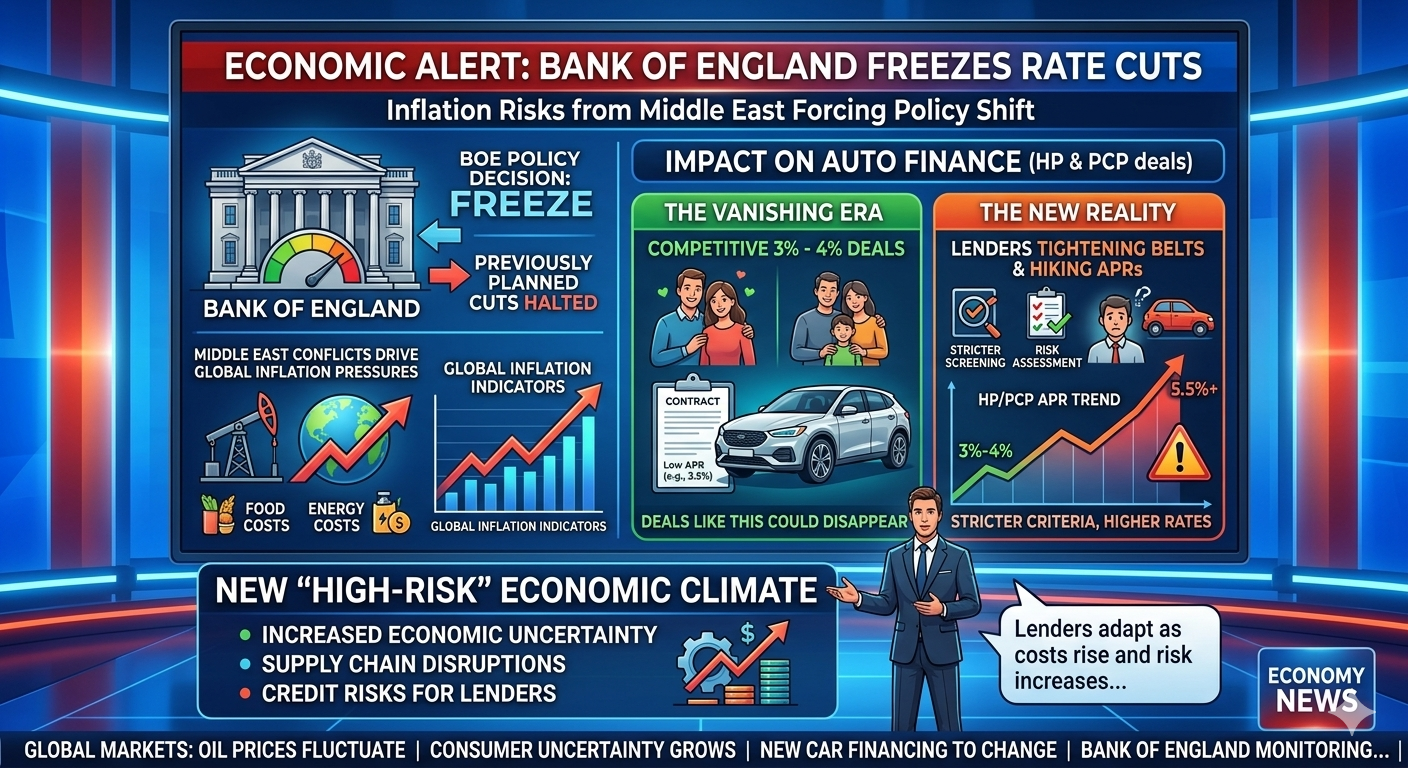
Most people don’t buy new cars outright with cash. They finance them through loans, leasing or PCP deals. In many markets, 80–90% of new car purchases involve some form of credit. And credit depends heavily on interest rates.
When geopolitical crises drive energy prices higher, inflation often follows. Rising energy costs feed into transport, manufacturing and food prices across the entire economy. Central banks then face a difficult decision. If inflation begins rising again, they may have to delay cutting interest rates – or even raise them.
That directly impacts car buyers. Higher interest rates mean more expensive finance deals, larger monthly payments and fewer consumers willing to commit to purchasing a new vehicle.
Cars are what economists call cyclical purchases. When economic uncertainty rises, consumers postpone buying them. They keep the old car a little longer. They delay replacing it. And if millions of buyers make that decision at the same time, car sales can drop very quickly.
How Automakers Are Responding
Behind the scenes, car manufacturers are watching the situation closely. Some companies are increasing inventory buffers, building larger stockpiles of critical components to protect against supply disruptions. Others are exploring alternative shipping routes, even if they are longer and more expensive.
Some manufacturers are accelerating efforts to regionalise production, moving manufacturing closer to key markets to reduce dependence on global shipping lanes.
The pandemic already exposed how fragile global supply chains can be. Geopolitical instability is now reinforcing the lesson. For the automotive industry, geopolitics is becoming a permanent strategic consideration.
A Global Industry on Edge
The war in the Middle East is not just a geopolitical story. It is a reminder of how interconnected the modern economy has become.
A conflict in one narrow shipping corridor can ripple outward across energy markets, global trade networks and consumer confidence. Ships can become stranded. Fuel prices can surge. Car factories can find themselves waiting for parts. And buyers can suddenly decide that purchasing a new vehicle feels like too big a financial risk.
Whether the current tensions escalate or fade will determine how severe the impact becomes. But one thing is already clear: the automotive industry, built on global supply chains and economic confidence, is uniquely exposed to geopolitical shocks.
And when the world’s most important shipping lane becomes a potential flashpoint, every car showroom on Earth may eventually feel the consequences.
If you found this useful, interesting or fun, consider supporting me via Patreon, Ko-Fi, or even grabbing a copy of one of my books on Amazon. Every bit helps me keep creating independent automotive content that actually helps people.
Support independent car journalism 🙏🏽☺️ grab my books on Amazon, take up membership to BrownCarGuy on YouTube, or join me on Ko-Fi or Patreon.

👉🏽 Channel membership: https://www.youtube.com/browncarguy/join
👉🏽 Buy me a Coffee! https://ko-fi.com/browncarguy
👉🏽 Patreon – https://www.patreon.com/BrownCarGuy

MY BOOKS ON AMAZON!
📖 Want to become an automotive journalist, content creator, or car influencer? Check out my book: How to be an Automotive Content Creator 👉🏽 https://amzn.eu/d/7VTs0ii
📖 Quantum Races – A collection of my best automotive sci-fi short stories! 👉🏽 https://amzn.eu/d/0Y93s9g
📖 The ULEZ Files – Debut novel – all-action thriller! 👉🏽 https://amzn.eu/d/d1GXZkO
Discover more from Brown Car Guy
Subscribe to get the latest posts sent to your email.

Leave a comment