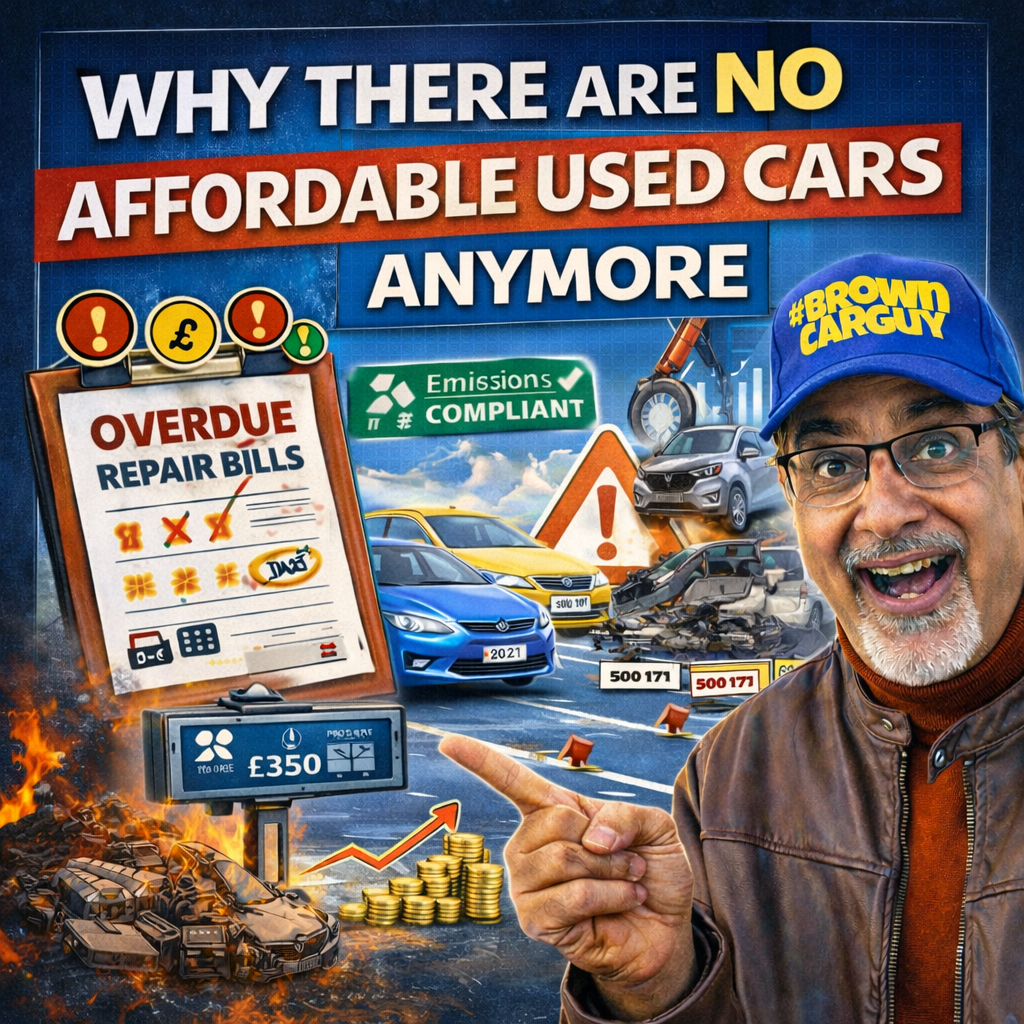
The £5,000 used car didn’t quietly get more expensive. It vanished. Here’s what really happened – and why this mess isn’t ending any time soon
Not that long ago, £5,000 bought you freedom. A sensible hatchback. Five or six years old. One careful owner, a stamped service book, Bluetooth that worked most of the time, and an engine that would outlive your next phone contract. It wasn’t glamorous, but it was dependable, affordable motoring – the backbone of everyday Britain. Fast forward to today and that car has all but disappeared.
Scroll through the classifieds now and you’ll find ten to fifteen-year-old cars being advertised with the sort of confidence once reserved for nearly-new stock. High mileage, basic spec, patchy history – yet priced like they’re rare survivors from a lost civilisation.
This isn’t nostalgia talking. The used car market is genuinely broken.
The missing cars nobody warned you about
The real problem began years ago, not months.
Between 2020 and 2023, the UK new-car market didn’t just dip – it fell into a hole and stayed there. Factory shutdowns, global supply disruption and the infamous semiconductor shortage meant roughly 1.7 to 1.9 million fewer new cars were registered than would normally be expected, according to industry figures from SMMT.
That sounds abstract until you realise what those cars should be today.
In a healthy market, they’d now be three to six years old – exactly the sweet spot for buyers shopping at the affordable end. Instead, they were never built. They don’t exist. And because that middle layer of the market is missing, buyers have been forced to cascade downwards into older, higher-mileage cars, pushing prices up from the bottom.
Simple supply and demand. Brutal consequences.
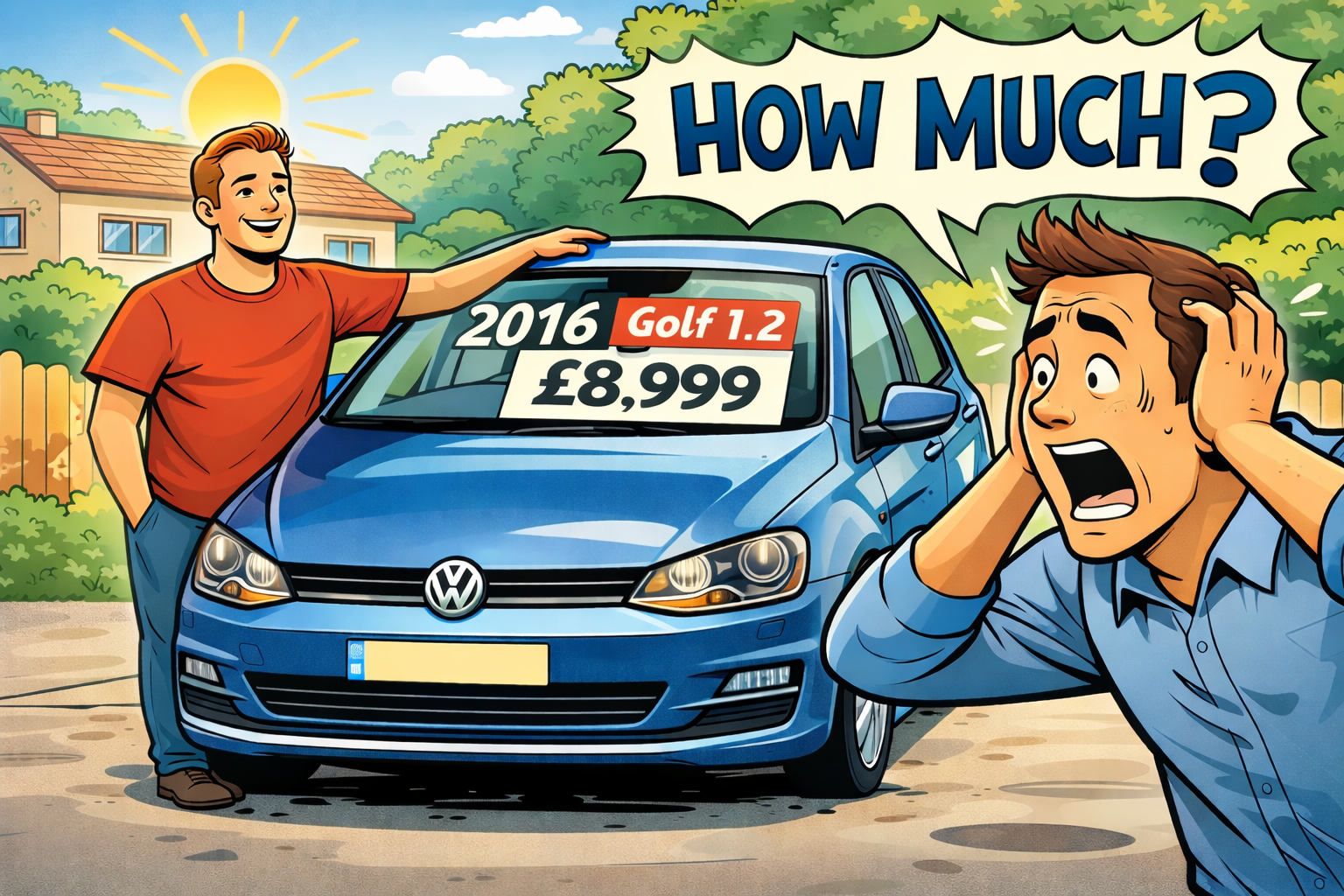
Why old cars suddenly cost so much
The knock-on effect has been dramatic.
Data from Auto Trader shows that while some newer cars – particularly electric ones – have finally started depreciating again, older petrol cars have risen in value. The very vehicles that used to be the safety net for budget buyers are now the most hotly contested.
Ford. Vauxhall. Toyota. Volkswagen.
Once the dependable staples of cheap motoring, now fought over because people want cars that feel familiar, understandable, and fixable. When money’s tight, complexity stops being impressive and starts being frightening.
And that brings us to the real sting in the tail.
The MOT has changed the game
Buying an older car is one thing. Keeping it on the road is another.
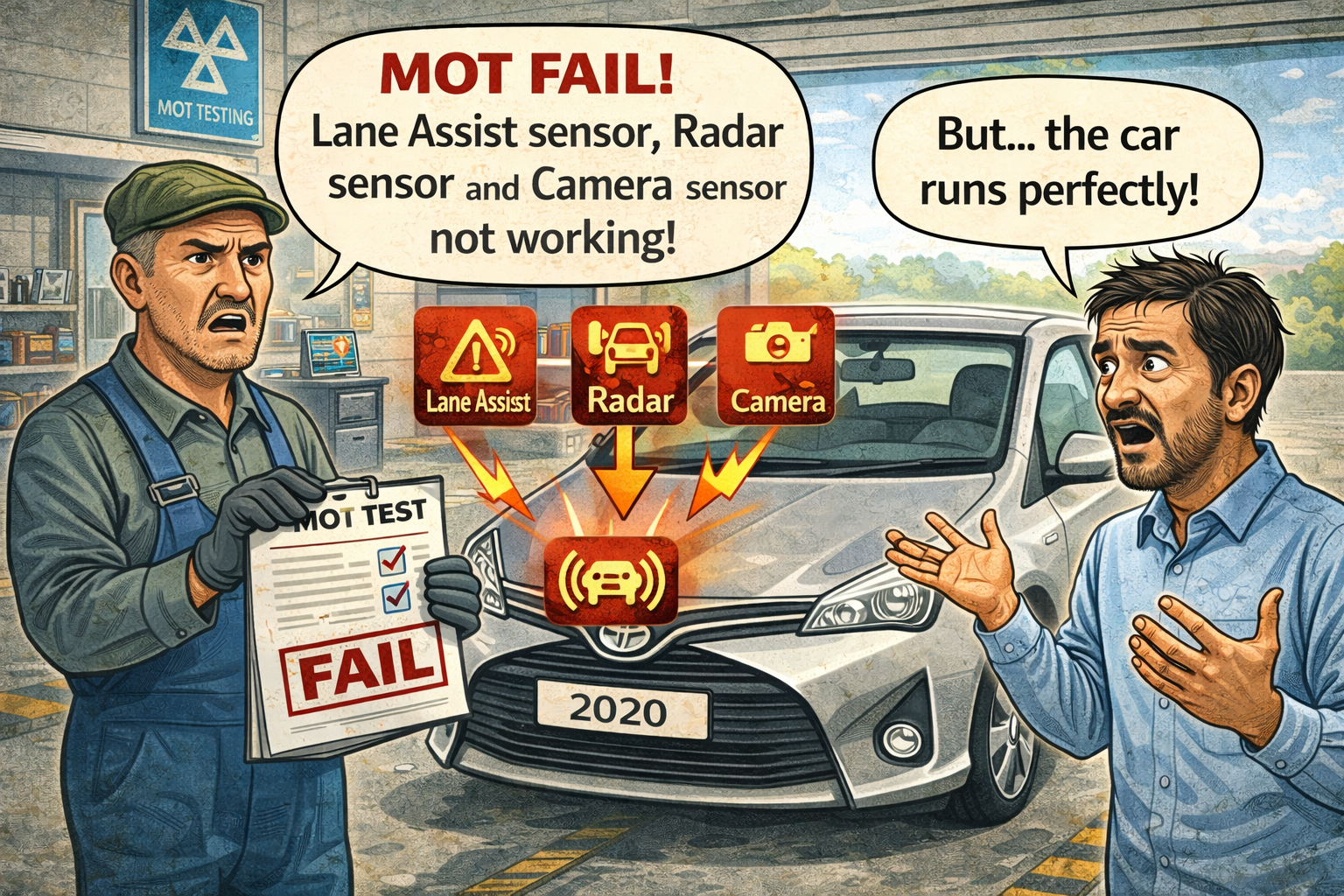
Modern MOT rules enforced by the DVSA mean that warning lights linked to safety systems can no longer be shrugged off. This doesn’t mean every sensor failure is an automatic fail, but when a system that’s supposed to work clearly isn’t, the test becomes unforgiving.
That’s a problem because modern cars are layered with technology. Cameras behind windscreens. Radar sensors hidden in bumpers. Driver-assistance systems that need calibration after even minor repairs. A cracked windscreen or a misaligned sensor can trigger bills running into hundreds – sometimes thousands – of pounds.
On a car worth £3,000 or £4,000, that’s not a repair decision. It’s a write-off calculation. Perfectly serviceable cars are being scrapped not because engines have failed or chassis have rotted away, but because the technology wrapped around them has become uneconomical to maintain.
We’re entering the age of the disposable car.
Why keeping your car might be the smartest move
This is the uncomfortable truth nobody really wants to say out loud.
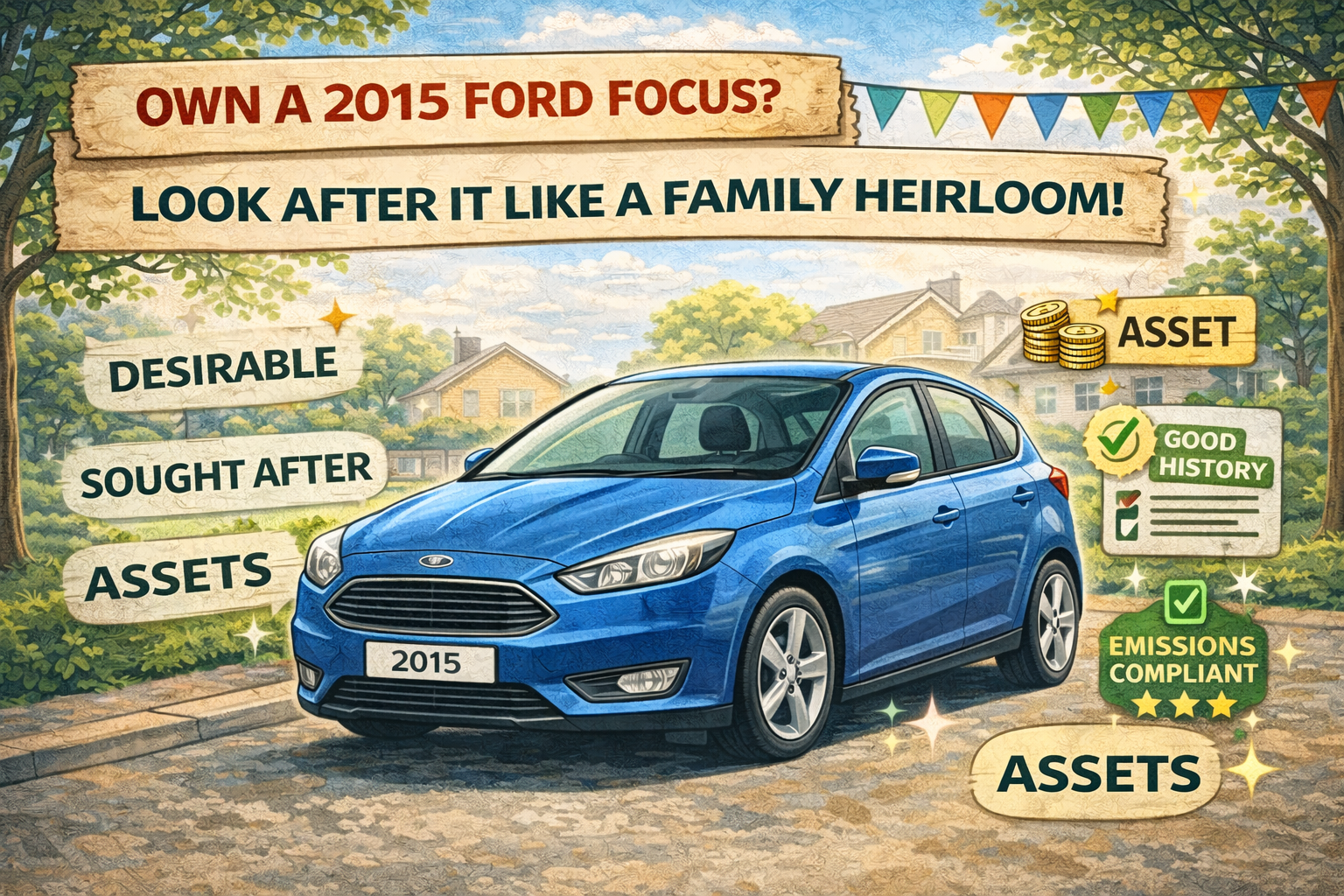
If you already own a solid, emissions-compliant petrol car from the mid-2010s, with good history and no drama, it’s no longer “just an old car”. It’s a scarce asset.
Simple cars – the kind without layers of fragile technology – are now desirable. They’re sought after. And for the next few years at least, they’re likely to remain that way.
The £5,000 used car as we once knew it is gone. Not because buyers suddenly became unreasonable, but because the market underneath it collapsed and regulation finished the job.
If you found this useful, interesting or fun, consider supporting me via Patreon, Ko-Fi, or even grabbing a copy of one of my books on Amazon. Every bit helps me keep creating independent automotive content that actually helps people.
Support independent car journalism 🙏🏽☺️ grab my books on Amazon, take up membership to BrownCarGuy on YouTube, or join me on Ko-Fi or Patreon.

👉🏽 Channel membership: https://www.youtube.com/browncarguy/join
👉🏽 Buy me a Coffee! https://ko-fi.com/browncarguy
👉🏽 Patreon – https://www.patreon.com/BrownCarGuy

MY BOOKS ON AMAZON!
📖 Want to become an automotive journalist, content creator, or car influencer? Check out my book: How to be an Automotive Content Creator 👉🏽 https://amzn.eu/d/7VTs0ii
📖 Quantum Races – A collection of my best automotive sci-fi short stories! 👉🏽 https://amzn.eu/d/0Y93s9g
📖 The ULEZ Files – Debut novel – all-action thriller! 👉🏽 https://amzn.eu/d/d1GXZkO
Discover more from Brown Car Guy
Subscribe to get the latest posts sent to your email.
