Why Did Nissan Walk Away?
Not long ago, I posted a video and article about Honda and Nissan’s proposed merger, a deal that could have created Japan’s second-largest car manufacturer. The idea made sense – combining forces to compete against Tesla, BYD, and the growing dominance of Chinese EV manufacturers. It would have allowed both brands to share technology, cut production costs, and accelerate their transition to electric vehicles.
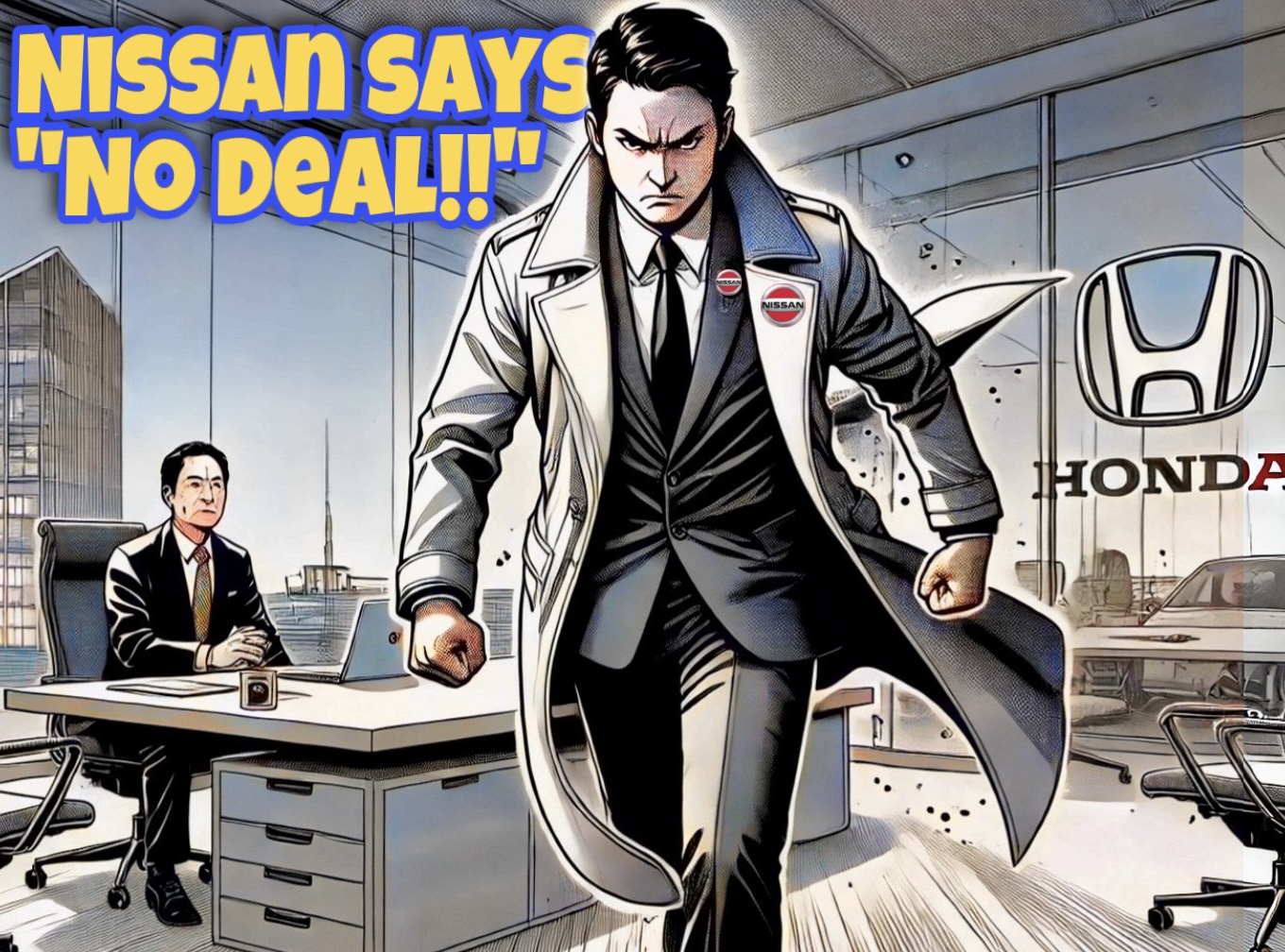
But now, the merger is officially off. Nissan has walked away, despite previously claiming they only had a year to survive. And here’s the twist – Nissan’s share price jumped 7.6% after the news broke, while Honda’s shares dropped by 3.5%. That’s not what anyone expected.
So what happened? Why did Nissan suddenly cancel the deal? And where does this leave Honda, Nissan, and car buyers?
The Honda-Nissan Merger: A Logical Step That Never Happened
At first glance, the merger seemed like a smart move. Nissan and Honda are two of Japan’s most respected car manufacturers, each with a strong history of performance, engineering, and innovation. Nissan has given us the GT-R and Z cars, while Honda is famous for the Type R models and the NSX.
Both companies have also been working on solid-state battery technology, which could be the key to the next generation of EVs. At a time when Chinese manufacturers are dominating the market, pooling resources seemed like the perfect strategy to stay competitive.
Yet, despite all the logic behind the deal, it has completely fallen apart.
Why Did Nissan Walk Away?
The biggest reason Nissan pulled out appears to be control. Reports suggest that Honda wanted to make Nissan a subsidiary, not an equal partner. That would have put Nissan under Honda’s control, rather than operating as an independent but merged entity.
For Nissan, that was a dealbreaker. The company has already spent years in an uneasy relationship with Renault, and the last thing they wanted was to swap one controlling partner for another. So, Nissan CEO Makoto Uchida personally informed Honda CEO Toshihiro Mibe that the deal was off.
The reaction from investors was immediate. Nissan’s share price jumped 7.6%, a clear sign that the market saw this as a smart move. If the merger had been a great opportunity, you would expect Nissan’s stock to fall after pulling out. Instead, investors seemed relieved, suggesting that many never really believed the deal was good for Nissan in the first place.
On the other hand, Honda’s share price dropped 3.5%, meaning investors may have felt that Honda needed the deal more than Nissan did. This was a complete role reversal from what many expected. Initially, it seemed like Honda was throwing Nissan a lifeline, but after the fallout, Honda was left looking like the one in a weaker position.
What Is Nissan Doing Now?
Rather than looking for another car manufacturer to partner with, Nissan is now turning to tech companies. One name that keeps coming up is Foxconn, the Taiwanese company best known for building iPhones and PlayStations.
Foxconn has been making big moves in the EV sector, forming partnerships with Fisker, Stellantis, and even Apple, which has long been rumoured to be developing an electric vehicle. If Nissan partners with Foxconn, it could mean a shift toward AI-driven, software-focused EVs, rather than traditional performance and engineering-led cars.
For a brand like Nissan, which has been struggling to regain its footing after years of instability, this could be the bold move it needs to stay competitive in the EV race.
Where Does This Leave Honda?
With Nissan gone, Honda is now on its own in the EV race. The company still has some partnerships, including a collaboration with Sony on the Afeela EV and research into solid-state batteries. However, without Nissan, Honda has lost a major opportunity for cost-sharing and technology collaboration.
This doesn’t necessarily mean Honda is in trouble, but it does mean they will need to accelerate their EV strategy on their own. The market is moving fast, and Honda can’t afford to fall behind.
What This Means for Car Buyers
For everyday car buyers, there are a few key takeaways from this failed merger.
- No Honda-Nissan joint cars – Forget about an NSX built on a GT-R platform or a Z car powered by Honda hybrid tech. Any hopes of badge-engineering collaborations are off the table.
- Nissan could become more tech-focused – If the Foxconn deal happens, expect Nissan to move further into AI-driven, software-heavy EVs. This could mean a future where Nissan is more about smart mobility than driving performance.
- Honda needs to move fast – Without Nissan, Honda’s EV plans look less certain. They will need to speed up their development or risk falling behind in the rapidly evolving electric car market.
One thing is clear: the automotive landscape is shifting faster than ever, and traditional car brands are no longer just competing with each other – they are now up against tech giants like Apple, Google, and Foxconn.
Final Thoughts
Nissan has walked away from a merger that seemed like a logical step, and yet they have come out stronger. Meanwhile, Honda is left scrambling for alternatives, and the future of both brands looks very different from what we expected just a few weeks ago.
Was this the right move for Nissan? Or did they just throw away their best chance at staying competitive?
Let me know your thoughts in the comments – did Nissan make the right call, or should they have stuck with Honda?
Follow all my channels https://linktr.ee/browncarguy
Get my books! https://amzn.eu/d/9fwhSoQ | https://amzn.eu/d/9IHhqXA
Sponsor my content from as little as £3 at https://ko-fi.com/browncarguy
Big Thanks to my Supporters!
CraftLab (https://www.CraftLab.my)
Tom Conway-Gordon (https://www.instagram.com/anycoloursolongasits_black/)
And others! 🙏🏽☺️
Discover more from Brown Car Guy
Subscribe to get the latest posts sent to your email.

Leave a comment