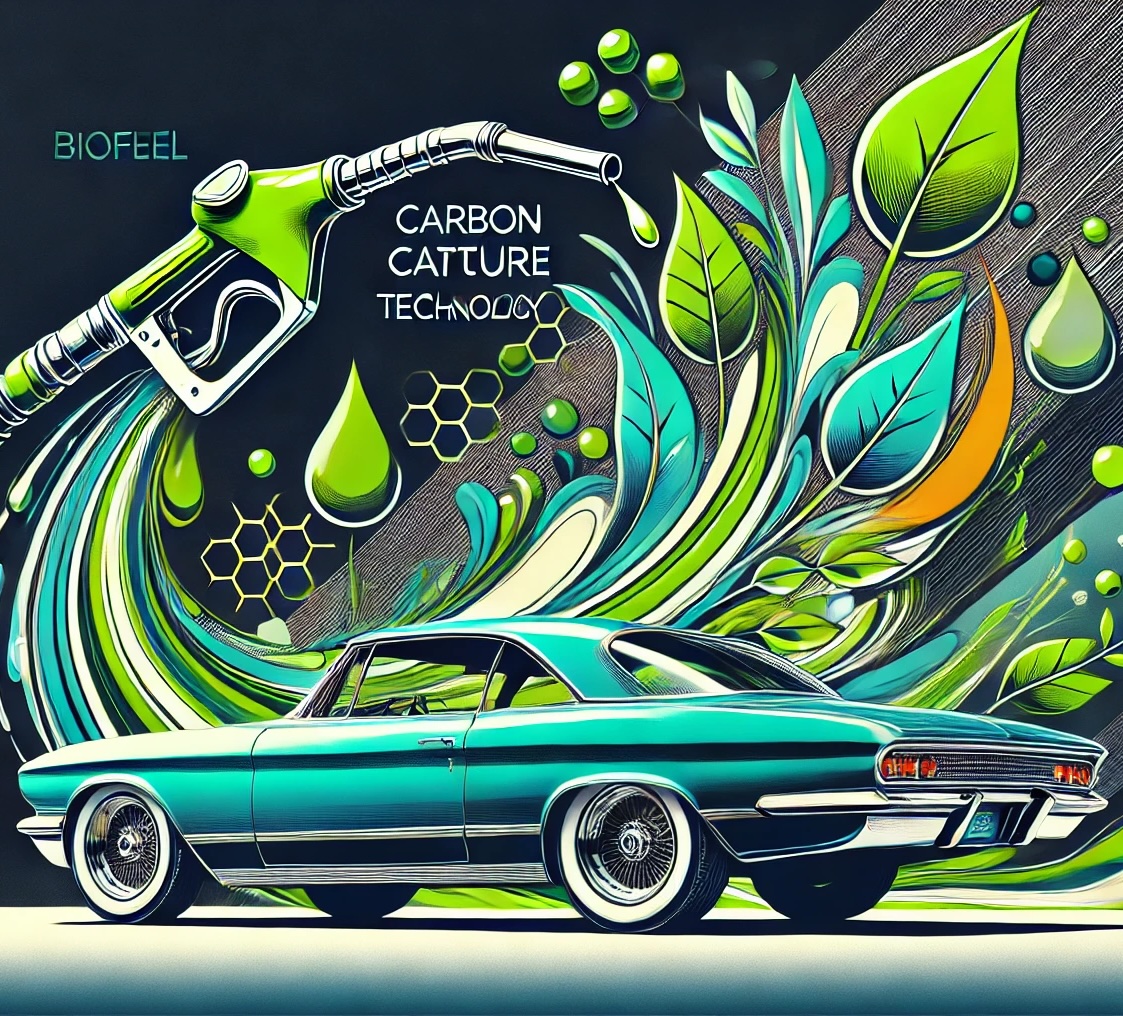
Expert Q&A with David Richardson of Sustain and Coryton
When we talk about the future of motoring, sustainable fuels spark some serious debate. Are they genuinely viable alternatives, or just a faux “green-washed” stepping stone? Recently, I had the chance to catch up with David Richardson of Coryton and Sustain at the St James Motoring Spectacle. We tackled the key questions and concerns that both EV fans and petrolheads have raised, looking into the feasibility, practicality, and cost of sustainable fuels for everyday use and classic car preservation. Let’s break down the conversation and see where sustainable fuels stand in today’s petrol-versus-EV-versus-biofuel world.
What Are Sustainable Fuels, and Why Do We Need Them?
Sustainable fuels are essentially liquid fuels derived from renewable or waste-based resources instead of crude oil. There are two main types in play: e-fuels and biofuels. E-fuels, sometimes called synthetic fuels, are created using carbon dioxide and hydrogen – made possible through advanced (and very costly) technology that can capture CO₂ directly from the air. Biofuels, on the other hand, are typically derived from organic waste, like agricultural or forestry residues.
The big question is: why not go straight to EVs if we want clean energy? Well, not everyone is sold on the electric-only future, especially when it comes to classic cars, long-haul transport, and motorsport. This is where sustainable fuels step in – potentially offering a way to keep our beloved engines running without relying solely on fossil fuels. But as David explains, it’s not quite that simple.
Is Sustainable Fuel Actually Sustainable?
David didn’t shy away from the hurdles facing sustainable fuel, especially when it comes to scalability and cost. As he pointed out, sustainable fuels are pricey, partly because they’re taxed at the same rate as regular petrol in the UK, which seems counterintuitive given their eco-friendly edge. Despite the higher costs, sustainable fuels provide a way to keep classic cars and motorsport alive, offering a liquid fuel solution that’s at least a step closer to carbon neutrality than fossil fuels.
Still, it’s not cheap or easy to produce. The advanced technology required, especially for e-fuels, relies heavily on renewable energy sources to avoid negating their carbon benefits. While the technology is evolving and production is scaling up (with facilities cropping up in Germany, Chile, and the US), there’s still a long way to go before sustainable fuels become a mainstream alternative.
The Real Challenges: Cost, Availability, and Government Policy
One of the pressing issues David highlighted was the tax situation. Sustainable fuels face the same duty as regular petrol, which drives up the cost and discourages adoption. Ironically, if the same biofuel feedstocks were used to generate electricity, they’d receive tax breaks – further benefiting EVs while sustainable fuels remain an expensive option for motorists.
Another challenge is the limited availability of waste resources for biofuels. In short, while biofuels are cheaper to produce, they aren’t as scalable as we might hope because there’s only so much agricultural waste to go around. For e-fuels, it’s all about finding ways to produce them without guzzling up renewable energy that could be put to better use elsewhere. These challenges mean that, while sustainable fuels offer a green alternative, they’re not positioned to replace petrol across the board just yet.
Classic Cars, Motorsport, and the Sustainable Future
For classic car lovers and the motorsport community, sustainable fuels represent a lifeline. Instead of converting a classic or performance car to electric, enthusiasts can keep the original engines roaring – guilt-free! According to David, sustainable fuels are already being tested and adopted in motorsport, including high-performance applications at events like the British Motor Show. Classic car events are an ideal starting point for sustainable fuel adoption, as the smaller volume needed aligns with the current supply capabilities.
However, it’s crucial to be realistic. As David says, sustainable fuel won’t singlehandedly eliminate the demand for fossil fuels. In fact, fossil fuels are likely to stick around for decades because of the sheer amount of energy they provide. But for niche applications – keeping classics on the road and supporting motorsport – sustainable fuels offer a credible, eco-friendly option that preserves automotive heritage.
Will Sustainable Fuel Ever Replace Petrol?
Here’s the million-pound question: Can sustainable fuel replace petrol? In the near term, probably not. As David admits, it’s unrealistic to expect sustainable fuels to cover all forms of road transport, let alone other industries like aviation, which is also exploring biofuel solutions. That said, sustainable fuels can play a crucial role in reducing our reliance on fossil fuels, especially as a complement to electrification.
Looking ahead, it’s likely we’ll see a mixed approach to transportation energy: EVs dominating urban and short-haul journeys, while sustainable fuels support the areas where batteries just don’t cut it. And let’s not rule out the possibility of future technologies beyond what we can imagine today.
So, Where Do We Go from Here?
If sustainable fuels are to become a significant part of our motoring future, it’s clear that policy changes are essential. A shift in tax and duty could bring down costs and encourage wider adoption, particularly for enthusiasts who want to keep their classic cars on the road. There’s also the need for continued investment in scaling up production, which will be key to making sustainable fuels more accessible and affordable.
For now, sustainable fuels are best viewed as a valuable addition to the energy mix rather than a total replacement for fossil fuels. If the industry can address cost and scalability issues, we might one day see sustainable fuels powering more than just niche applications.
Sustainable fuels might not be the magic solution to all our environmental challenges, but they offer a promising alternative to petrol for certain use cases. In the end, achieving carbon neutrality in motoring will likely require a blend of technologies, from electrification to synthetic fuels. Until then, it’s up to governments, innovators, and – let’s be honest – car enthusiasts like us to drive the conversation forward.
What do you think? Can sustainable fuels coexist with EVs, or are they just a short-term fix? Let me know your thoughts in the comments below – and as always, thanks for watching, reading, and fuelling the debate!
Follow all my channels https://linktr.ee/browncarguy
Get my books! https://amzn.eu/d/9fwhSoQ | https://amzn.eu/d/9IHhqXA
Sponsor my content from as little as £3 at https://ko-fi.com/browncarguy
Big Thanks to my Supporters!
CraftLab (https://www.CraftLab.my)
Tom Conway-Gordon (https://www.instagram.com/anycoloursolongasits_black/)
And others! 🙏🏽☺️
Discover more from Brown Car Guy
Subscribe to get the latest posts sent to your email.

Leave a comment