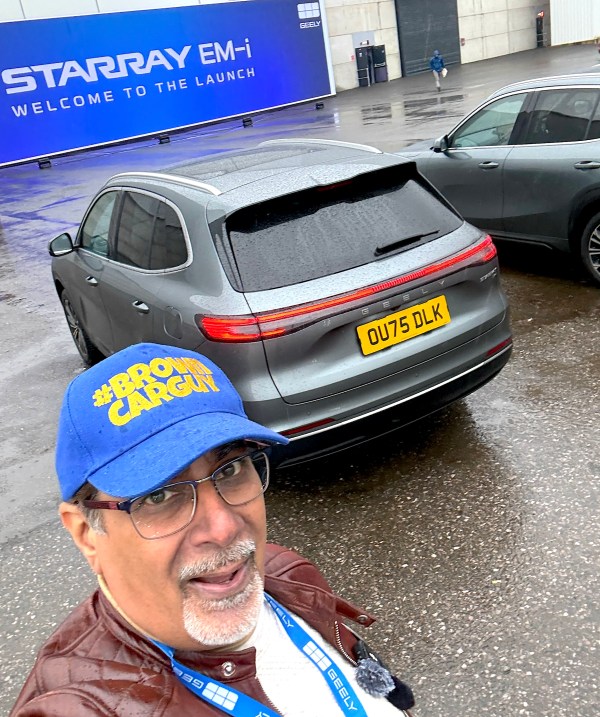
Geely has launched its second model into the UK market, and this time it is not electric. The Starray EM-i arrives as a plug-in hybrid SUV with up to 84 miles of electric range, 618 miles combined range, and prices starting from £29,990. I attended the UK launch, filmed the full presentation, and took it for a quick first drive. Here is everything you need to know.
The £5,690 VED Shock, Modern Classics Trap & Why No Car Is Safe Anymore
From April 2026, the cost of owning a car in the UK shifts again. Not with a single dramatic ban or headline-grabbing announcement, but with a carefully calibrated set of Vehicle Excise Duty changes that, taken together, tell a very clear story. A story about who is being nudged. Who is being punished. And who, increasingly, is being priced out. In this piece, I’m going to walk you through every major UK road tax (VED) change coming in April 2026, using the actual Treasury tables, not speculation, not press-release gloss, and not the usual “this only affects rich people” dismissal. Because it doesn’t.
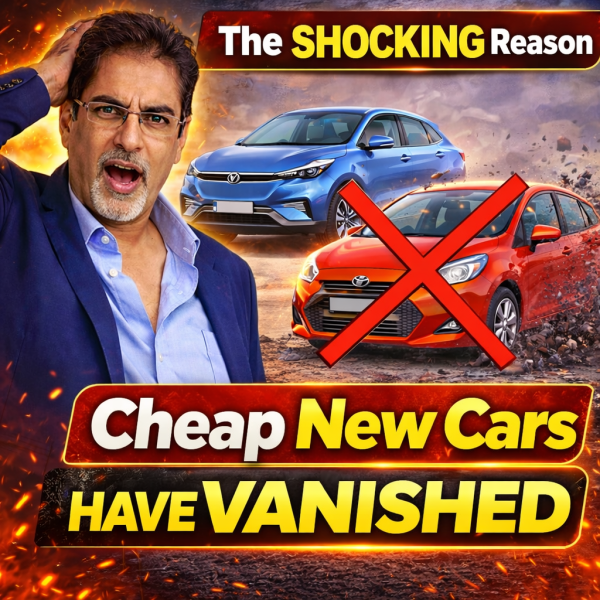
Once upon a time, you could walk into a showroom and buy a brand-new, small, petrol car without taking out a second mortgage. That era is quietly being legislated out of existence
Not that long ago, buying a brand-new small car felt like a perfectly sensible, attainable thing to do. You walked into a dealership, pointed at a modest little hatchback, signed a few forms, and drove away knowing you hadn’t just committed yourself to years of financial regret. Cars like the Ford Fiesta became staples of British life for a reason. They were affordable, simple, easy to live with, and perfectly suited to everyday motoring. They weren’t glamorous, but they were democratic. They worked. And then, almost without ceremony, they disappeared.
The Fiesta is gone. The price of cars like the Fiat Panda has crept towards £20,000. The entry-level petrol car, once the backbone of the market, is becoming an endangered species. So what happened?
Progress brings efficiency, but it risks quietly erasing the value of craft unless we choose to defend it – and if we’re around long enough to do so
AI is not going to take your job. It already has.
This is not a rant against AI. Those of you who follow me know that I use the absolute heck out of it! It’s my illustrator, animator, assistant, researcher, sub-editor… hell, AI is my bitch. It helps boost my workflow and up my pace – it’s the VTEC that lets this one-man content engine rev harder, faster, longer.
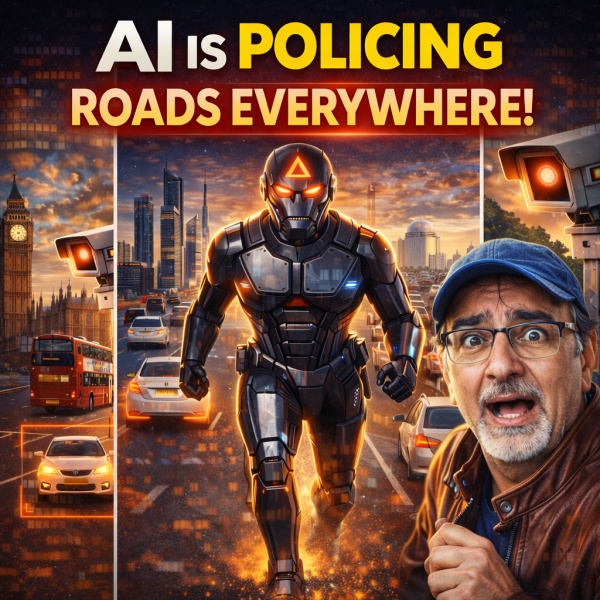
AI traffic cameras were just the beginning. Around the world, machines are now judging how you drive – and once the system decides, there’s no arguing back
Remember when getting pulled over went a bit like this… You’d clock the flashing lights, feel your stomach drop, rehearse your apology, and then hope – just hope – that the officer was having a good day. Maybe you’d get a telling-off. Maybe a warning. Maybe, if the stars aligned and Mercury was in retrograde, you’d get sent on your way with a “take it easy, mate”. Yeah, about that…
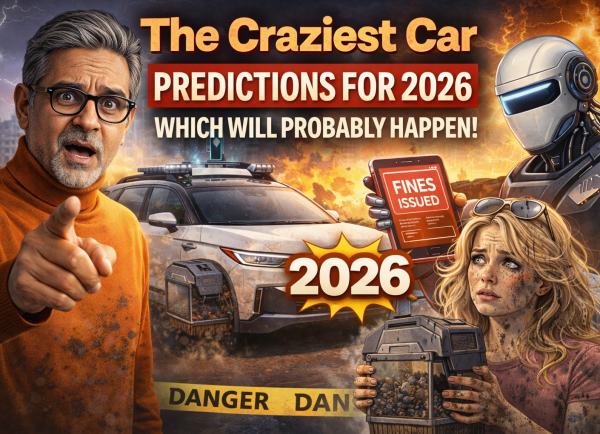
Cars that drive themselves, insurance that costs more than the car, and progress that appears to have misplaced the steering wheel – welcome to 2026
The future has arrived. Not with a heroic fanfare or a cinematic fly-through of a gleaming metropolis, but more like a confused relative turning up late to Christmas dinner wearing mismatched socks and asking if anyone’s got the Wi-Fi password. Because the trouble with the future is this: it never arrives the way the sci-fi promised. There are no flying cars. No elegant solutions. No perfectly optimised utopia. Instead, we’ve been handed a series of half-finished ideas, each more complicated than the last, and told they’re all part of a journey.
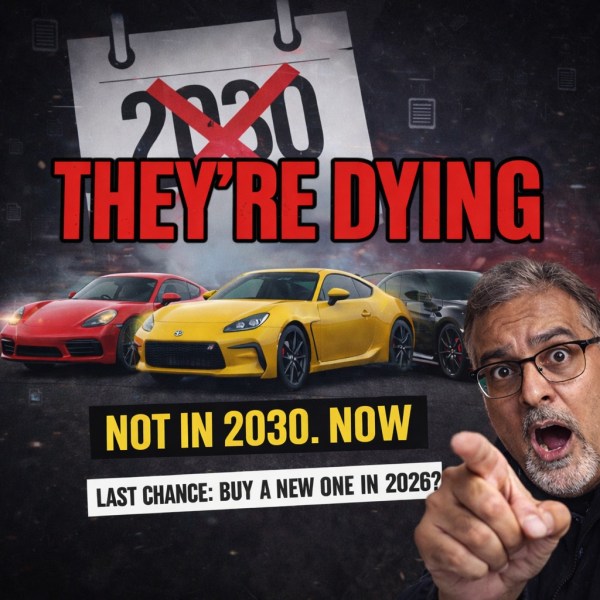
Everyone’s watching 2030, but it’s Euro 7, GSR2 and new rules that are quietly killing off cool petrol cars years earlier
For years now, motorists have been told the same soothing bedtime story: “Don’t worry. You’ve got until 2030.”
Plenty of time, apparently. Time to save. Time to decide. Time to enjoy one last glorious petrol-powered hurrah before the lights go out and the chargers take over. Except… that story is nonsense.
How artificial intelligence is reshaping automotive design, marketing, media – and whether any of us know what’s real anymore
Everything looks real. Until it isn’t. Cars, content, even people are now being designed, edited and improved by artificial intelligence – and the automotive world may never look the same again. If you’ve found yourself squinting at your phone lately thinking “Hang on… is that real?”, congratulations. You are officially living in the age of artificial intelligence.
Not the flying-cars, robot-butlers kind. No. This is the more unsettling version. The one where cars are being designed by algorithms, photos are being “improved” beyond recognition, videos are faked convincingly enough to fool journalists, and voices can be cloned while their owners are fast asleep. Welcome to the great reality wobble.
Car CEOs were replaced in 2025 – and it wasn’t because the industry is winning
Something significant is happening at the very top of the global car industry, and it isn’t loud, dramatic or accompanied by the usual marketing fanfare. There are no slick launch events, no bold vision statements, no glossy videos promising to reinvent mobility as we know it. Instead, there is a quiet but unmistakable pattern emerging: car company bosses are leaving, being replaced, or stepping aside, and the people taking their seats look nothing like the rockstar executives of just a few years ago.
This isn’t just a Ford story – it’s the moment the electric car narrative collided head-on with reality.
There are big numbers in the car industry, and then there are numbers that make even hardened executives pause, breathe in sharply, and reach for the nearest spreadsheet. Nineteen point five billion dollars is firmly in the latter category. That is the amount Ford has just written off as it dramatically pulls back from large parts of its electric vehicle strategy, cancelling programmes, binning future models, tearing up battery partnerships and, perhaps most tellingly of all, quietly conceding that the way we were promised the electric future would unfold was always far more fragile than many wanted to admit.